
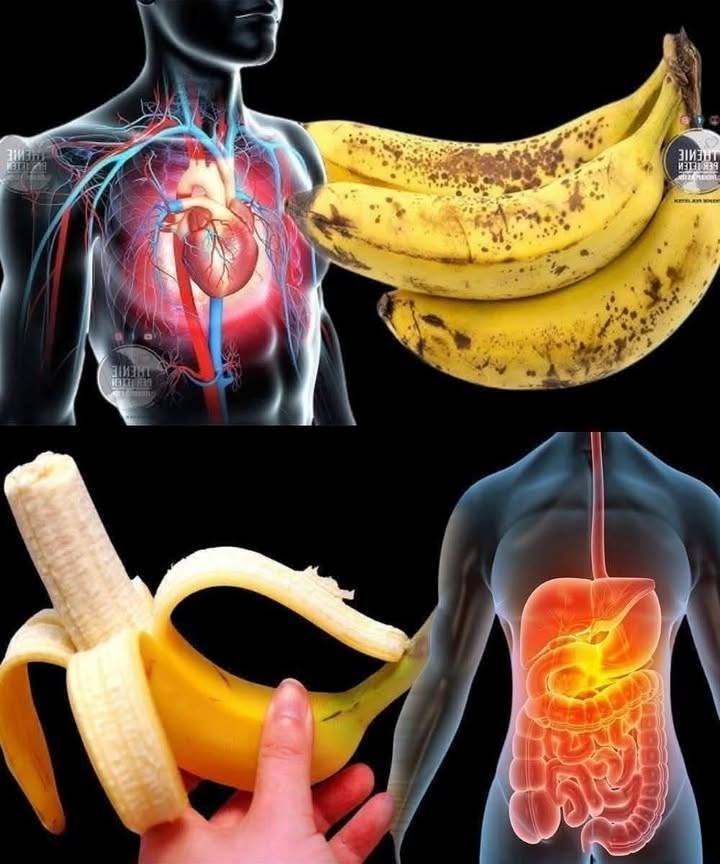
Bananas are among the most popular and accessible fruits on the planet. From quick morning breakfasts to post-workout fuel, this vibrant yellow staple finds its way into millions of kitchens worldwide. Yet, despite how common they are, few people fully understand the remarkable physiological transformation that occurs when you consume bananas on a daily basis.
When you peel open a banana, you are unlocking a powerful complex of essential vitamins, vital minerals, dietary fibers, and natural sugars. From supporting human cardiovascular function and regulating arterial pressure to optimizing gut microbiome health and boosting daily energy reserves, the humble banana serves as a natural powerhouse.
The Nutritional Blueprint of the Daily Banana
To appreciate how bananas influence human biological systems, it helps to look closely at what a single medium-sized banana provides to your daily dietary intake.
Potassium: Approximately 400–450 mg (roughly 10% of daily recommended intake)
Vitamin B6: Nearly 25% to 30% of daily recommended requirements
Vitamin C: Around 10% to 12% of daily recommended needs
Dietary Fiber: 3 grams (including soluble, insoluble, and resistant starch)
Magnesium: Approximately 8% to 10% of daily requirements
Natural Carbohydrates: 27 grams (fructose, glucose, and sucrose balance)
This precise combination of micro- and macronutrients makes bananas an ideal food for supporting systemic wellness across multiple organs.
1. Cardiovascular Support and Blood Pressure Regulation
One of the primary benefits of regular banana consumption involves the circulatory system. In modern diets, excess sodium intake often contributes to elevated blood pressure, placing unnecessary stress on blood vessels and heart tissue.
Balancing Sodium with Potassium
Potassium plays a critical role in cellular sodium balance. It helps the body excrete excess sodium through urine and relieves tension in the walls of blood vessels. By reducing vascular resistance, daily intake of potassium-rich foods supports healthy blood pressure levels and promotes cardiovascular longevity.
Lowering Heart Strain and Supporting Arterial Health
Maintaining consistent potassium levels helps preserve smooth muscle function within arterial walls. Over time, combining a balanced diet rich in potassium with active lifestyle choices can lower overall risks related to heart strain, helping to preserve long-term health and medical wellness.
2. Digestive Efficiency, Gut Flora, and Stomach Health
The impact of bananas on the human gastrointestinal tract varies according to their stage of ripeness. From green, slightly firm bananas to soft, spotted yellow ones, each stage provides distinct benefits for gut health.
[Green / Unripe] —> High in Resistant Starch —> Feeds Beneficial Gut Bacteria
[Yellow / Ripe] —> High in Soluble Fiber —> Promotes Smooth Digestion
[Spotted / Very Ripe] -> Easily Digestible Sugars -> Quick Absorption & Comfort
Green Bananas and Resistant Starch
Unripe bananas contain high levels of resistant starch—a type of carbohydrate that resists digestion in the small intestine. Instead, it travels straight to the large intestine where it acts as a powerful prebiotic, feeding beneficial gut bacteria. This fermentation process produces short-chain fatty acids like butyrate, which nourish the intestinal lining and support healthy immune function.
Soluble Fiber and Soothing Pectin
As bananas ripen, resistant starch converts into simple sugars, while soluble fiber (pectin) remains abundant. Pectin absorbs excess fluid in the digestive tract, adding soft bulk to stool and promoting regular bowel movements. Furthermore, bananas are famously mild and easy on stomach mucosa, making them a staple choice for individuals recovering from digestive upset.
3. Sustained Energy and Muscle Function
Whether you are managing a busy work schedule, tending to family demands, or engaging in intense physical exercises, maintaining steady energy levels is key to performance and daily focus.
Synergistic Carbohydrate Release
Unlike refined sugar snacks that cause rapid glucose spikes followed by sharp energy crashes, bananas deliver a balanced combination of glucose, fructose, and dietary fiber. Fiber slows down sugar absorption into the bloodstream, supplying a steady stream of sustained cellular energy over several hours.
Preventing Muscle Cramps and Supporting Electrolytes
Muscle contractions and nerve signalling rely heavily on electrolyte balance. When you sweat during physical activity or hot weather, your body loses essential electrolytes like potassium and magnesium. Eating a banana post-exercise restores lost minerals, prevents uncomfortable muscle cramping, and speeds up post-workout physical recovery.
4. Mood Enhancement, Brain Health, and Sleep Quality
The connection between daily nutrition and mental well-being is stronger than most people realize. Bananas contain key nutrient compounds that directly influence brain chemistry and neurological function.
Vitamin B6 and Brain Metabolism
Vitamin B6 plays an essential role in neurotransmitter synthesis. It helps convert amino acids into serotonin (the neurotransmitter responsible for mood stability and happiness) and dopamine (which governs motivation and reward pathways).
Tryptophan for Better Rest
Bananas carry modest amounts of tryptophan, an essential amino acid that the brain converts into serotonin and melatonin—the primary hormone regulating sleep-wake cycles. Enjoying a banana as an evening snack alongside a small handful of almonds can help promote restful sleep.
Smart Financial Planning: A Budget-Friendly Superfood
Eating healthy does not have to break your household budget. While specialty health foods, exotic powders, and imported organic supplements can drive up grocery costs, bananas remain remarkably affordable.
Food Item Average Cost Per Serving Key Nutritional Benefit Budget Efficiency
Bananas $0.20 – $0.35 Potassium, Vitamin B6, Fiber Very High
Fresh Berries $1.25 – $2.50 Antioxidants, Vitamin C Moderate
Exotic Superfood Powders $1.50 – $3.00 Targeted Micronutrients Low
Avocados $1.00 – $2.00 Healthy Fats, Fiber Moderate
Integrating cost-effective, nutrient-dense fruits like bananas into your family’s routine is an effortless way to balance personal finance goals while maintaining high nutritional standards.
Modern Health Insurance, Preventive Care, and Nutrition
Investing in preventive health through sound daily nutrition is one of the most effective strategies for reducing long-term medical expenditures. Modern health insurance providers increasingly emphasize lifestyle medicine, wellness programs, and preventive dietary choices to help individuals avoid chronic conditions.
By adopting daily habits that protect your heart, digestion, and metabolism, you actively reduce risks associated with high blood pressure, metabolic issues, and digestive disorders. Many health insurance plans now offer incentives, wellness discounts, or fitness credits for members who engage in documented preventive health routines. Taking control of your diet today serves as a personal investment policy for long-term health and financial security.
How Ripeness Affects Your Body
Choosing the right banana depends largely on your personal health goals and metabolic preferences:
Slightly Green: Ideal for individuals managing blood sugar levels or looking to maximize prebiotic fiber intake for gut health.
Solid Yellow: High in antioxidants and rich in pectin, offering a great balance of sweet flavor and easy digestion.
Yellow with Brown Spots: Highest in quick-absorbing natural sugars and active antioxidants, making them perfect for pre-workout energy or sensitive stomachs.
Practical Tips to Maximize the Health Benefits of Bananas
Pair with Protein or Healthy Fats: Enjoy bananas with peanut butter, Greek yogurt, or walnuts to slow sugar absorption even further and extend satiety.
Freeze Overripe Bananas: Don’t throw away spotted bananas. Peel, slice, and freeze them to blend into creamy smoothies or healthy homemade frozen desserts.
Use in Place of Refined Sugar: Mash ripe bananas into oatmeal, pancake batter, or baked goods to add natural sweetness without relying on white sugar.
Store Away from Other Produce: Bananas release ethylene gas, which accelerates the ripening of nearby fruits. Keep them separate unless you want adjacent fruits to ripen quickly.
Conclusion
Adding a daily banana to your diet is one of the simplest, most economical ways to support your body from the inside out. Whether your goal is maintaining healthy blood pressure, nourishing your gut microbiome, or securing sustainable energy for daily physical demands, this versatile fruit delivers exceptional real-world benefits. Paired with a balanced diet, proper hydration, and an active lifestyle, the humble banana proves that simple everyday choices can lead to powerful, lasting health transformations.
Frequently Asked Questions (FAQ)
Is it safe to eat a banana every day?
Yes, for the vast majority of healthy individuals, eating one or two bananas a day is completely safe and highly beneficial. However, individuals with advanced kidney conditions or those taking specific blood pressure medications (such as ACE inhibitors) should consult their physician regarding daily potassium intake.
Does eating bananas cause weight gain?
No single food causes weight gain on its own. Bananas contain natural sugars, but their dietary fiber helps keep you full and satisfied, making them a smart component of a weight management diet when eaten within your daily calorie needs.
Is it better to eat bananas before or after a workout?
Both! Eating a banana 30 minutes before a workout provides fast, easily digestible carbohydrates for energy. Eating one after a workout helps replenish depleted glycogen stores and restores essential potassium lost through sweat.
Are spotted bananas healthier than green bananas?
Neither is strictly “better”—they simply offer different benefits. Green bananas contain more resistant starch for gut flora health and blood sugar regulation, while spotted bananas offer higher levels of antioxidants and quickly available energy.
Can diabetics eat bananas daily?
Yes, individuals with diabetes can enjoy bananas. It is best to choose smaller, slightly underripe bananas and pair them with a protein or healthy fat source (like nuts or seeds) to help maintain stable blood sugar levels.
