
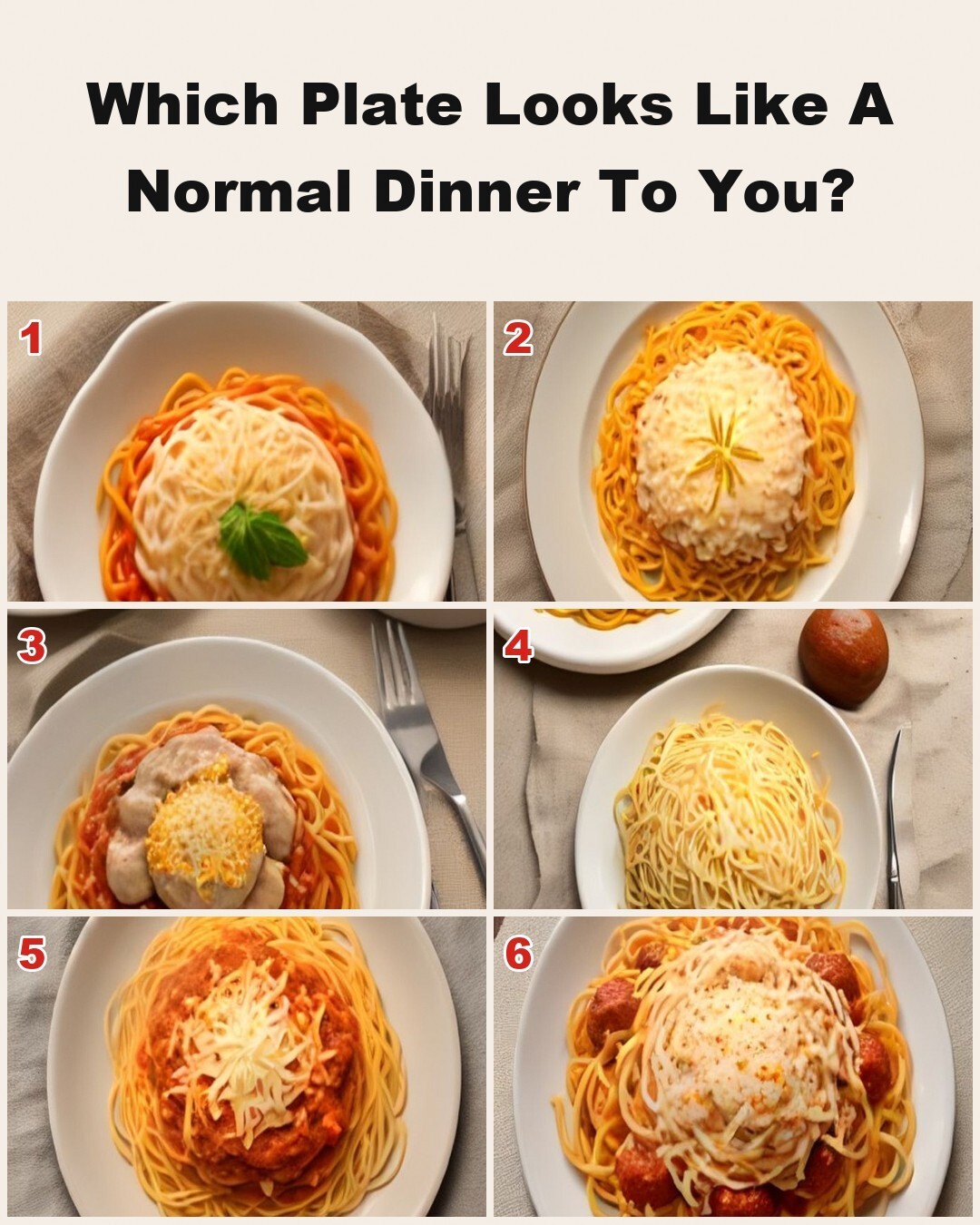
In almost every household around the world, sitting down to dinner is a cherished daily ritual. Yet, if you ask six different people to plate up a “normal” portion of spaghetti, you will likely get six completely different answers. From modest side-portion bowls to heaped mounds piled high with extra sauce, cheese, and meatballs, our visual perception of what constitutes a healthy, standard meal has shifted dramatically over recent decades.
What actually defines a “normal” dinner portion in today’s fast-paced world? Is it guided by cultural traditions, nutritional science, or simply the size of the tableware sitting in our kitchen cabinets?
Understanding portion sizes isn’t just a matter of counting calories or adhering to strict dietary rules. It touches on human psychology, food economics, metabolic health, and how modern food marketing has slowly trained our eyes to expect larger and larger servings.
In this comprehensive guide, we unpack the reality of modern dinner portions, explore the phenomenon known as “portion distortion,” examine the nutritional science behind balanced meal planning, and share practical strategies to help you navigate portion control effortlessly.
The Rise of Portion Distortion: How Serving Sizes Grew
To understand why so many people struggle to identify a baseline portion size, we must look at how dining habits have evolved over the last half-century.
In the 1970s, average restaurant dinner plates measured roughly 9 to 10 inches in diameter. Today, standard dinner plates found in homes and restaurants measure 12 inches or larger. This represents a surface area increase of nearly 40 percent. When food is served on larger tableware, smaller, healthy portions appear visually inadequate—a psychological optical illusion known as the Delboeuf Illusion.
Beyond larger plates, commercial food service trends have heavily influenced household norms:
Super-Sized Expectations: Fast-food chains and casual dining restaurants built marketing strategies around larger value sizes. Over time, these oversized servings redefined consumer expectations for home cooking.
The “Clean Plate” Tradition: Many people were raised with cultural or parental conditioning to finish everything served on their plate, regardless of satiety cues or actual energetic needs.
Pre-Packaged Convenience Foods: Commercial packaging frequently contains multiple “servings” per container, yet consumers routinely consume the entire package in a single sitting, skewering their mental benchmark for single portions.
Breaking Down a Truly Balanced Dinner Plate
While visual perception varies widely, dietary health guidelines provide a consistent framework for structuring a well-balanced dinner. Major health organizations, including the USDA and public health agencies worldwide, recommend using the “Plate Method” as a simple visual guide rather than relying on strict food scales or complicated calculations.
A ideal, balanced dinner plate is structured around three primary components:
1. Non-Starchy Vegetables (50% of the Plate)
Half of a standard dinner plate should ideally consist of nutrient-dense, fiber-rich vegetables. Examples include leafy greens, broccoli, roasted carrots, bell peppers, asparagus, or zucchini. Vegetables provide essential vitamins, minerals, and dietary fiber that slow digestion and promote long-lasting fullness without adding excessive calorie density.
2. Quality Lean Proteins (25% of the Plate)
One-quarter of the plate should be dedicated to high-quality protein sources, such as grilled chicken breast, turkey, fish, tofu, legumes, or lean cuts of beef and pork. A standard individual serving of cooked protein is roughly 3 to 4 ounces—visually comparable to the size of a deck of playing cards or the palm of your hand.
3. Complex Carbohydrates and Starches (25% of the Plate)
The remaining quarter of the plate belongs to carbohydrates, such as whole-grain pasta, brown rice, quinoa, sweet potatoes, or corn. For pasta and grains, a standard recommended single serving is typically around 1/2 cup to 1 cup cooked—a far cry from the massive bowls often depicted in popular media.
The Pasta Dilemma: Why Carbohydrate Portions Are Tricky
Pasta is one of the most beloved comfort foods on Earth, but it is also one of the most frequently overserved dishes. Because cooked pasta is soft, palatable, and affordable, it is very easy to scoop two or three times the recommended serving size into a single bowl without realizing it.
A standard USDA serving size for cooked pasta is 1/2 cup, which contains roughly 100 to 120 calories depending on the wheat formulation. However, average casual restaurant pasta meals often contain 3 to 5 cups of cooked pasta in a single course—delivering over 1,000 calories before accounting for creamy sauces, cheeses, or garlic bread.
To enjoy pasta while keeping dinner balanced:
Pair It with Vegetables: Mix cooked pasta with sautéed vegetables like spinach, tomatoes, mushrooms, and zucchini to double the meal’s volume without drastically increasing its calorie count.
Incorporate Lean Protein: Add lean turkey meatballs, grilled chicken strips, or white beans to make the dish more filling and metabolically balanced.
Measure Before Cooking: As a general rule of thumb, 2 ounces of dry pasta yields roughly 1 cup of cooked pasta. Measuring dry pasta ahead of time prevents overcooking extra portions.
Practical Visual Tools for Portion Control (No Scales Required)
You don’t need to carry a digital kitchen scale everywhere you go to keep your portions reasonable. Human hands provide a convenient, personalized measuring tool because hand size is naturally proportional to body frame size:
A Fist: Roughly equals 1 cup (ideal for measuring cooked grains, pasta, or leafy vegetables).
A Palm: Represents 3 to 4 ounces of cooked meat, poultry, or fish.
A Cupped Hand: Measures roughly 1/2 cup (great for cooked beans, starchy root vegetables, or side sauces).
A Thumb: Equals roughly 1 tablespoon (useful for measuring healthy fats like butter, extra virgin olive oil, or peanut butter).
A Thumb Tip: Equals roughly 1 teaspoon (ideal for sugar, oil drizzle, or dense condiments).
Smart Household and Financial Advantages of Portion Management
Understanding proper dinner portions offers significant benefits beyond physical wellness. It plays a major role in personal finance and household budgeting:
1. Significant Grocery Savings
When meal portions are calibrated correctly, food ingredients stretch much further. Buying meat and dry grains in bulk and distributing them into appropriate portion sizes can reduce monthly household grocery bills considerably.
2. Reducing Home Food Waste
Oversized plate portions often result in leftover food being scraped into the trash bin. Cooking intended amounts reduces food waste, keeping money in your pocket while benefiting environmental sustainability.
3. Lowering Long-Term Health Costs
Maintaining healthy, consistent dietary habits helps prevent chronic health conditions such as type 2 diabetes, cardiovascular issues, and metabolic syndrome. Investing in balanced nutrition today reduces potential medical, prescription, and insurance expenditures down the road.
Interesting Facts About Global Dining Habits
The French Paradox: Traditional French cuisine is famous for rich ingredients like butter, cheese, and cream. Yet, heart health outcomes remain strong partly because traditional French meal portions are historically much smaller than American counterparts.
Hara Hachi Bu: In Okinawa, Japan—a region renowned for long life expectancy—citizens practice Hara Hachi Bu, a cultural philosophy that prompts people to stop eating when they feel roughly 80 percent full.
The Size of Historical Tableware: Antiques from the 18th and 19th centuries show that historical soup bowls and dinner plates were significantly smaller than modern options, reflecting lower daily calorie requirements for indoor or urban lifestyles.
Conclusion: Finding the Right Balance for Your Lifestyle
Ultimately, there is no one-size-fits-all answer to what constitutes a “normal” dinner. A professional athlete or physical laborer will naturally require more energetic fuel than someone working at a desk all day. However, becoming aware of portion distortion allows you to make conscious, intentional decisions about what goes onto your plate.
By focusing on nutrient diversity, incorporating plenty of fresh vegetables, and using simple hand-based visual guides, you can create delicious, satisfying dinner meals that support your long-term health, household budget, and well-being.
Frequently Asked Questions (FAQ)
What is the difference between a “serving size” and a “portion size”?
A serving size is a standardized amount of food listed on nutrition labels or established by dietary guidelines (such as 1/2 cup of rice). A portion size is the actual amount of food you choose to put on your plate for a single meal.
How can I stop overeating at dinner if I feel hungry afterward?
Focus on increasing the fiber and protein content of your meal rather than adding more refined carbohydrates. Eating slowly, drinking a glass of water before dining, and waiting 15 to 20 minutes before taking second helpings allows your brain time to register fullness signals.
Does plate color affect how much we eat?
Yes! Studies in behavioral psychology indicate that high contrast between food color and plate color helps the brain gauge portion sizes more accurately. For instance, serving red pasta on a white plate makes it easier to notice how much food is present compared to serving red pasta on a red plate.
Is it healthy to eat a larger dinner if I skip lunch or breakfast?
While overall daily calorie intake matters, consuming a massive late-night meal can sometimes cause indigestion or disrupt sleep quality. Distributing balanced nutrients evenly across the day generally supports stable energy levels and smoother digestion.
Are restaurant takeout portions usually more than one serving?
Yes. Most restaurant main courses contain anywhere from two to three standard dietary servings. A smart strategy is to set aside half of the meal into a takeout box before you begin eating to save for lunch the following day.
