
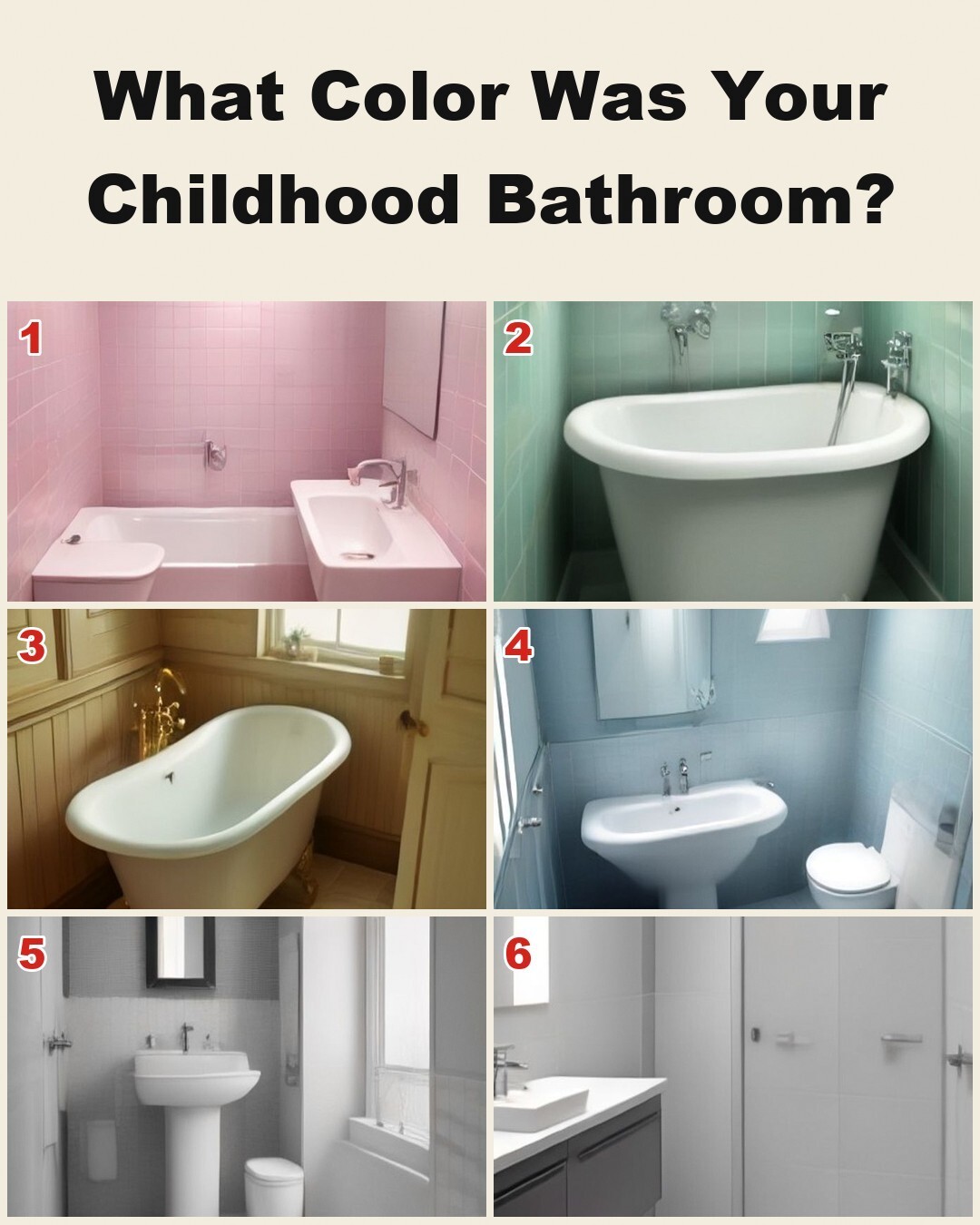
What Color Was Your Childhood Bathroom? The Rise, Fall, and Comeback of Vintage Tile Aesthetics
If you grew up between the 1950s and 1980s, step into almost any suburban home from that era and you will likely recall a very distinct design feature: bold, colorful bathroom tile. From soft pastel pinks and cool mint greens to warm earthy tans, icy powders, and crisp stark whites, mid-century American home design was defined by vibrant ceramic finishes.
For many years, modern renovation trends encouraged homeowners to gut these colorful relics. Neutral tones, beige ceramic, slate gray, and crisp white subways took over, leading many to view vintage pastel bathrooms as dated mistakes of the past.
However, a massive cultural shift is underway. Interior designers, historic preservationists, and young homeowners are falling in love with vintage colorful bathrooms once again. What was once dismissed as an eyesore is now celebrated as high-quality craftsmanship, timeless character, and retro nostalgia.
In this deep dive into American architectural history, we explore why colorful bathrooms dominated mid-century design, how these bold aesthetics shaped suburban life, the business and home equity economics behind maintaining vintage tile, and how to embrace or modernize a retro bathroom without losing its timeless appeal.
The Birth of the Pastel Bathroom: How Mamie Eisenhower Changed Home Decor
To understand why pastel pink, soft mint green, and sky blue became the gold standard of American home decor in the post-World War II era, one must look at cultural influences during the 1950s—most notably First Lady Mamie Eisenhower.
When Dwight D. Eisenhower was elected President in 1952, Mamie brought her signature personal style to the White House. Her favorite shade was a soft, joyful pastel pink, which soon became known nationwide as “Mamie Pink.” She redecorated private quarters, wore pink gowns, and championed the soft hue as a symbol of domestic warmth, optimism, and post-war prosperity.
Major building product manufacturers immediately took notice:
The Ceramic Boom: Companies like American Olean, Kohler, and Crane began mass-producing ceramic tiles, sinks, tubs, and toilets in coordinated pastel shades.
Suburban Expansion: Millions of new suburban homes were built across North America to accommodate returning veterans and growing families. Builders used colorful bathrooms to give new developments a luxurious, custom-crafted feel.
Color Coordination: For the first time in residential building history, homeowners could buy perfectly color-matched sinks, cast-iron bathtubs, ceramic wall tiles, and toilet bowls in shades ranging from seafoam green to blush pink.
By the late 1950s, millions of homes across America featured complete pastel bathroom suites, establishing a decorative standard that defined domestic architecture for over three decades.
Exploring the Big 6 Vintage Bathroom Palettes
Looking back at retro residential designs, bathroom color schemes generally fell into six distinct categories. Each palette reflected the cultural mood, artistic influences, and manufacturing trends of its respective era.
1. The Iconic Pink (Mamie Pink)
The quintessential 1950s choice. Often paired with black or maroon accent trimming, pink ceramic tile brought warmth and cheer to compact residential spaces. It remains the single most recognizable retro bathroom aesthetic in North America.
2. Jade, Mint, and Seafoam Green
Rising to prominence in the late 1930s through the 1950s, green was prized for its soothing, spa-like quality. Soft mint green tiles were frequently paired with forest green borders, pale yellow fixtures, or chrome plumbing details.
3. Warm Wood, Ochre, and Earth Tones
As design shifted toward the late 1960s and 1970s, pastel colors yielded to organic, natural hues. Beadboard wood paneling, warm tan tiles, harvest gold, and avocado tones reflected an era focused on cozy, nature-inspired indoor living.
4. Powder Blue and Ice Blue
Extremely popular throughout the 1960s, sky blue created an airy, crisp, and serene environment. Blue bathrooms were frequently accented with bright white tub enclosures, stainless steel hardware, and frosted glass light fixtures.
5. Monochrome Gray and Charcoal
A sleek alternative popular in Art Deco homes of the late 1930s and urban mid-century builds. Gray tile offered a sophisticated neutral backdrop that allowed homeowners to swap out accent towels and paint colors as styles evolved.
6. Minimalist All-White and Bright Neutrals
Though colorful tiles made headlines, classic white subway and square ceramic tiles remained a constant baseline. White bathrooms represented sanitation, timeless utility, and effortless versatility across every decade.
The Quality Secret: Why Old Tile Outlasts Modern Alternatives
Beyond aesthetics, there is a very practical, financial reason why so many 1950s and 60s bathrooms remain intact today: exceptional structural durability.
Mid-century homebuilders used construction techniques that are rarely matched in modern residential development without costly custom upgrades:
Mud-Bed Installation: Instead of laying tiles over drywall or cement board using thin-set adhesive, retro builders embedded heavy ceramic tiles into a thick bed of solid wet mortar backed by wire mesh. This created a reinforced, rock-solid wall structure that resists moisture damage for generations.
Thick Vitreous China: Mid-century sinks and toilets were constructed with thick vitreous china and heavy cast-iron enameling, making them far more resistant to chipping, cracking, and surface scratching than lightweight modern plastics or thin porcelain.
Authentic Craftsmanship: Tile work in retro homes was routinely performed by skilled union artisans who meticulously laid individual pieces by hand, ensuring tight grout joints and seamless corner transitions.
Many modern homeowners who attempt to gut a mid-century bathroom quickly discover that removing original mud-bed tile requires heavy tools, significant labor costs, and major structural work—leading many to rethink complete tear-outs.
Preservation vs. Renovation: The Real Estate Value of Vintage Charm
In the real estate market, home buyers are increasingly seeking authentic character over mass-produced modern finishes. While flipping trends of the early 2000s favored stripping homes down to uniform gray palettes, historic preservation movements like “Save the Pink Bathrooms” have changed consumer perception.
Preserving or restoring an original vintage bathroom can offer distinct real estate and financial advantages:
1. Significant Renovation Cost Savings
A complete bathroom remodel can easily cost $15,000 to $35,000 or more. Restoring an existing mid-century bathroom—regrouting tiles, refinishing cast-iron tubs, and updating lighting or plumbing fixtures—typically costs a fraction of a full structural teardown.
2. Standout Real Estate Listings
In competitive housing markets, homes with well-maintained historic charm often attract strong buyer interest. Unique pastel or vintage features stand out against hundreds of standardized modern flip listings.
3. Sustainability and Waste Reduction
Demolishing a solid ceramic bathroom generates hundreds of pounds of non-biodegradable debris that ends up in municipal landfills. Restoring original materials is an eco-friendly home improvement choice.
Practical Ways to Modernize a Retro Bathroom Without Destroying It
If your home features an original pink, green, or blue bathroom and you want to update the space for 21st-century living, you don’t have to choose between a complete teardown and an outdated look. Small, strategic modifications can blend vintage character with modern luxury:
Update the Hardware: Replace aged faucet handles, showerheads, and towel bars with modern brushed brass, matte black, or polished chrome fixtures. High-end hardware instantly elevates retro tile work.
Refresh the Paint and Wallpaper: Surround vintage wall tile with crisp, bright white paint, or incorporate modern botanical or geometric wallpaper that incorporates the tile’s native accent colors.
Regrout and Recaulk: Over decades, grout can become stained or discolored. Professional steam cleaning, regrouting, or applying fresh white caulking creates a spotless, like-new appearance.
Upgrade Lighting and Mirrors: Swap out old fluorescent light strips for modern LED sconces and a stylized vanity mirror. Improved warm lighting makes pastel colors feel intentional and upscale.
Add Natural Elements: Introduce lush indoor plants, natural wood shelving, and high-quality woven linen towels to soften bold retro hues and introduce a spa-like atmosphere.
Interesting Facts About American Home History
The First Built-In Tubs: Prior to the 1920s, most American bathrooms featured standalone clawfoot tubs. The transition to built-in alcove tubs revolutionized bathroom design, making tiled shower-tub combinations standard.
Color Psychology in the 1950s: Post-war interior designers deliberately selected pastels because psychological studies of the era suggested soft greens and blues reduced domestic stress levels after years of wartime austerity.
The Rise of the Master Suite: In the 1950s, most suburban homes contained only one shared full bathroom for the entire family. The concept of the private primary en-suite bathroom didn’t become widespread until the late 1960s and 70s.
Conclusion: Celebrating the Character of Historic Homes
Our childhood bathrooms were more than just functional rooms—they were vibrant backdrops to daily life that reflected the design dreams, manufacturing mastery, and cultural optimism of their times.
Whether your childhood home featured Mamie Eisenhower’s signature pink, a soothing mint green, or cozy wood paneling, these retro spaces remind us that home design is cyclical. By celebrating original craftsmanship and blending historic character with modern conveniences, we can preserve the story of American residential architecture for generations to come.
Frequently Asked Questions (FAQ)
Can you repaint original ceramic bathroom tile?
Yes, original ceramic tile can be professionally refinished or epoxy-painted. However, painted tile requires careful surface preparation and may not offer the extreme long-term durability of the original baked ceramic glaze.
How do I find replacement tiles for a historic bathroom?
Specialty salvage companies, architectural re-use centers, and online vintage tile brokers often stock original mid-century ceramic tiles sourced from historic home deconstructions.
What is the best way to clean discolored original grout?
A non-abrasive mixture of baking soda, hydrogen peroxide, and mild dish soap applied with a stiff nylon brush works exceptionally well for lifting decades of buildup from original grout lines without damaging ceramic glazes.
Are original mid-century toilets water-efficient?
Older toilets manufactured before the 1990s typically use 3.5 to 5 gallons per flush compared to modern low-flow standards (1.28 gallons). If conserving water is a priority, homeowners can replace the toilet with a modern unit color-matched to the original sink or tub.
Is restoring a retro bathroom better for home resale value than remodeling?
It depends on the buyer market and the overall architectural style of the house. In historic districts or mid-century modern neighborhoods, authentic restored bathrooms often command higher buyer enthusiasm than generic modern renovations.
