
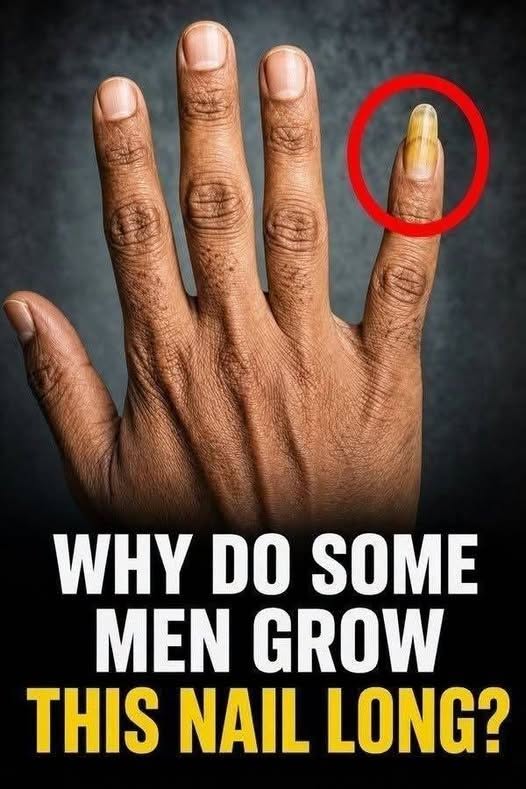
Across various cultures, regions, and generations, you may occasionally encounter an individual—frequently a man—who grows the fingernail on their pinky finger significantly longer than the rest. This distinct personal grooming choice often prompts curiosity, confusion, and widespread debate online. What does a long pinky nail signify, and where did this fascinating tradition originate?
While some view it as a cultural symbol of status, others utilize it for practical daily tasks, personal grooming, or traditional habits. In this comprehensive guide, we explore the historical roots, cultural meanings, practical applications, hygiene considerations, and modern perceptions of the long pinky nail.
Historical Origins and Cultural Symbolism
The practice of growing out specific fingernails is not a modern trend; it has deep historical roots spanning multiple continents and centuries.
Symbols of Wealth and Elite Status
In ancient Asian dynasties, particularly in China and among certain European aristocratic circles during the 17th and 18th centuries, long fingernails served as an unambiguous visual indicator of high social status. By growing nails long on one or both hands, individuals demonstrated that they did not engage in manual labor, physical farming, or industrial work. It was a clear status symbol denoting wealth, leisure, and intellectual standing.
Regional Traditions and Modern Interpretations
In various modern societies, particularly across parts of South Asia, the Middle East, and West Africa, the long pinky nail evolved into a distinct grooming habit. While its original aristocratic connotations have largely faded, it remains a recognized cultural quirk with various practical and personal explanations.
Practical Uses and Everyday Functions
Beyond cultural symbolism, many individuals who maintain a long pinky nail cite various functional uses in daily life.
Precision Tools and Practical Tasks
Opening Packaging: A sturdy, elongated nail can act as a makeshift tool for opening stubborn blister packs, tearing plastic seals, untying tight knots, or prying open small compartments.
Grooming and Maintenance: Some individuals historically used the pinky nail as a delicate instrument for personal hygiene, such as cleaning ears or removing small debris.
Musical Application: Certain string instrument players, such as specific guitar or traditional banjo musicians, occasionally maintain a longer nail to pluck or strum strings with a unique tonal quality.
Health, Hygiene, and Sanitation Considerations
While a long pinky nail may serve specific practical purposes, maintaining it requires careful hygiene management due to potential health and sanitation drawbacks.
Bacterial Accumulation Under Nails
The human fingernail bed is a natural breeding ground for microorganisms, bacteria, fungi, and dirt particles. Because the underside of a long nail is difficult to clean thoroughly during routine handwashing, it can harbor pathogens like Staphylococcus or E. coli, potentially transferring them to food, surfaces, or the face.
Risk of Snagging and Injury
Long nails are significantly more vulnerable to accidental trauma. Catching a long pinky nail on clothing, sports equipment, or furniture can result in painful nail bed tears, splits, or complete nail separation from the finger.
Financial, Professional, and Grooming Etiquette
In contemporary professional environments, personal grooming standards play a crucial role in career presentation and corporate culture.
Professional Image and First Impressions
In formal corporate, legal, medical, or financial sectors, maintaining a single long fingernail is often viewed as unconventional or distracting during client interactions. Consequently, many professionals choose to keep all fingernails neatly trimmed to project a uniform, polished image.
Managing Personal Upkeep and Investment
Proper nail care requires regular cleaning, moisturizing, and strengthening treatments to prevent brittleness. Balancing personal style preferences with professional expectations is a common consideration for modern individuals navigating career advancement.
Practical Tips for Nail Care and Hand Health
Whether you maintain natural nails or prefer a polished, short look, proper hand hygiene and nail care are essential for overall health:
Clean Under Nails Daily: Use a soft-bristled nail brush and antibacterial soap to remove dirt and bacteria trapped beneath nail beds during handwashing.
Keep Nails Dry and Clean: Prolonged exposure to moisture can weaken keratin structures and invite fungal infections; dry your hands thoroughly after washing.
Moisturize Cuticles Regularly: Apply hand cream or cuticle oil daily to prevent painful hangnails and keep skin hydrated.
Maintain a Balanced Diet: Consume foods rich in biotin, vitamins, and protein to support strong, healthy nail growth.
Trim Regularly: Regular trimming prevents accidental snags, tears, and structural damage during physical activities.
Fascinating Facts About Human Hair and Nail Growth
Growth Rate: Fingernails grow at an average rate of about 3.5 millimeters per month, meaning it takes approximately 3 to 6 months to completely replace a single fingernail from root to tip.
Faster Growth on Dominant Hands: Nails on your dominant hand (the hand you write with) typically grow slightly faster due to increased blood circulation and frequent use.
Composition: Nails are made of a tough, protective protein called alpha-keratin, the same fibrous material found in human hair and animal claws.
Conclusion
The choice to grow a single pinky nail long is a fascinating blend of historical tradition, cultural signaling, and practical utility. While its roots trace back to ancient symbols of wealth and freedom from manual labor, modern perspectives view it as a personal grooming choice with both functional benefits and hygiene considerations. Whether you find it intriguing or unconventional, understanding the background behind this unique habit offers a compelling look into human culture and social expression.
Frequently Asked Questions (FAQ)
1. Why do some men grow only their pinky nail long?
Historically, long nails signified a life free from manual labor. Today, individuals grow their pinky nail long for cultural reasons, personal habit, or as a practical tool for opening packages and performing delicate tasks.
2. Are long fingernails hygienic?
Not inherently. The underside of long nails collects dirt, oils, and harmful bacteria that are difficult to remove completely with standard handwashing, increasing the risk of germ transfer.
3. Do fingernails grow faster than toenails?
Yes! Fingernails grow roughly three to four times faster than toenails, largely due to better blood circulation and exposure to warmth and sunlight in the hands.
4. What is the protein that makes up human nails?
Nails are composed primarily of keratin, a durable, fibrous structural protein that also forms human hair and the outer layer of skin.
