
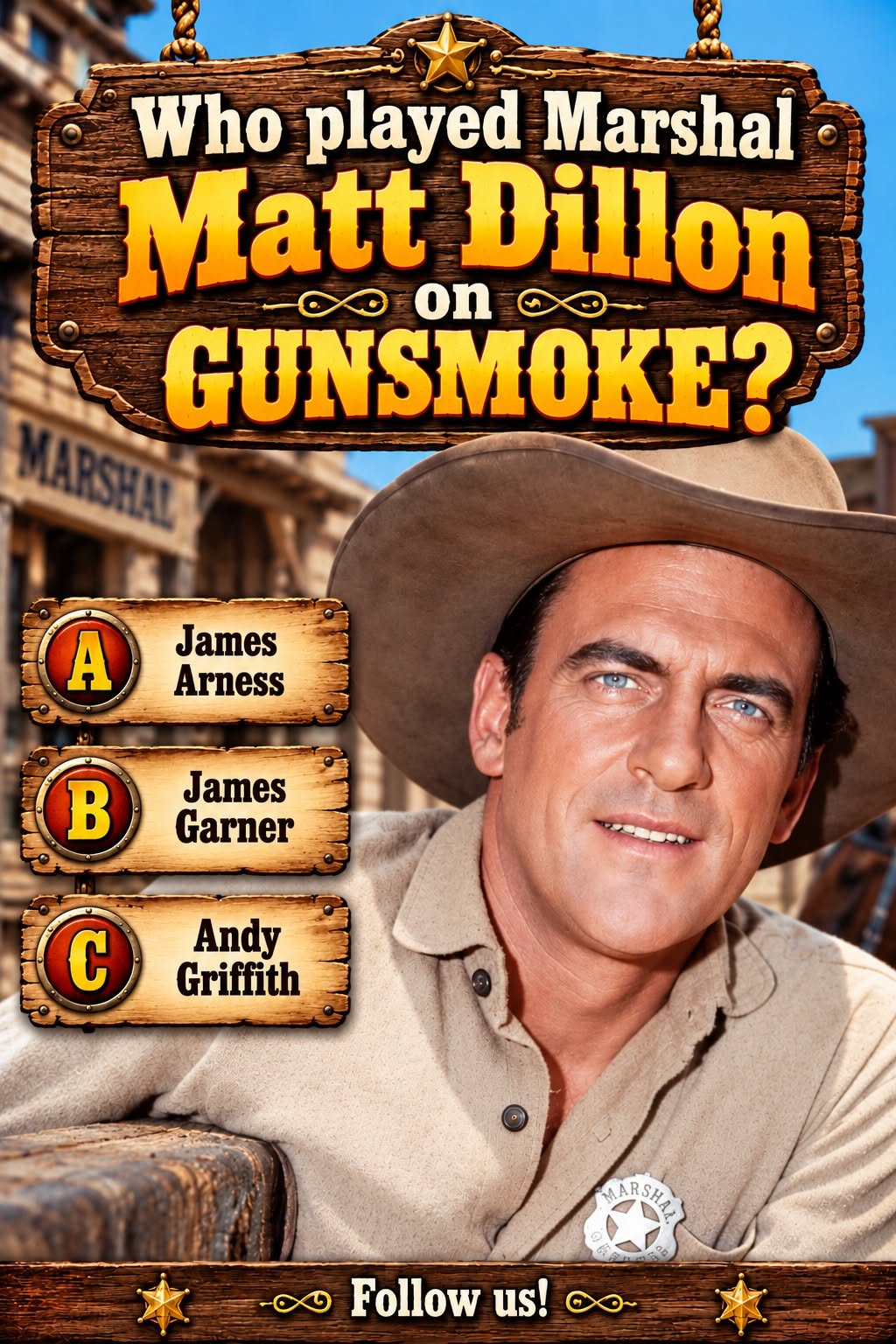
The Western genre holds a legendary status in television and film history, capturing the rugged spirit, moral dilemmas, and epic landscapes of the American frontier. During television’s golden decades, classic Western series dominated network ratings, bringing compelling stories of justice, community, and survival into millions of living rooms every week. Among these monumental shows, Gunsmoke stands out as one of the most successful and enduring television achievements in history.
Identifying the iconic actors, directors, and cultural milestones of classic Westerns remains a favorite pastime for television historians and nostalgic fans. In this comprehensive tribute article, we explore the history of Gunsmoke, the evolution of the television Western, the business of broadcast syndication, and practical ways to preserve entertainment history in the digital age.
The Legacy of Gunsmoke and Frontier Television
Gunsmoke set the gold standard for dramatic television, running for an astounding twenty seasons and producing over 635 episodes.
Marshal Matt Dillon and Frontier Justice
At the center of the series was Marshal Matt Dillon, the steadfast lawman keeping peace in the rough-and-tumble frontier town of Dodge City, Kansas. Portrayed with quiet strength, moral integrity, and rugged authority, the character became an archetypal hero of American television. The show explored complex ethical dilemmas, human relationships, and the harsh realities of frontier life, elevating it far beyond a standard action series.
Transition from Radio to Television
Interestingly, Gunsmoke originally began as a groundbreaking radio drama in 1952 before transitioning to television in 1955. This successful cross-media evolution proved that audio-driven storytelling could translate seamlessly into visual masterworks with the right ensemble cast and atmospheric production design.
The Business of Television Syndication and Archiving
Behind classic broadcast memories lies a sophisticated commercial framework of syndication, copyright law, and digital preservation.
Television Syndication and Long-Term Value
For television networks and production studios, classic long-running series established the modern model of syndication—licensing older episodes to local stations and cable networks for continuous reruns. This secondary market generates continuous long-term royalty revenue and maintains brand recognition across multiple generations.
Preserving Broadcast History Digitally
Modern streaming platforms and digital restoration technologies allow archivists to clean up vintage 35mm film reels and master broadcast tapes, preserving classic Western series in high definition for younger audiences to discover and enjoy.
The Psychology of Nostalgia: Why We Love Retro Westerns
Why do classic Western television shows evoke such powerful feelings of comfort and emotional warmth? Psychological research highlights the strong connection between vintage media and emotional well-being.
The Comfort of Familiarity
Re-watching classic shows or recognizing retro television trivia triggers the brain’s reward centers, releasing dopamine and evoking comforting memories of childhood, family bonding, and simpler times.
Moral Clarity and Narrative Resolution
Unlike complex modern dramas, classic Westerns often presented clear distinctions between right and wrong, offering psychological comfort and satisfying narrative resolutions that appeal strongly to viewers seeking mental relaxation.
Practical Ways Fans Can Celebrate Television History
If you are passionate about preserving the legacy of classic television and Western heritage, consider these practical ways to honor your favorite shows:
Support Physical Media Releases: Collect official DVD box sets and Blu-ray reissues of classic television series to ensure physical archives remain available.
Explore Television Museums: Visit institutions dedicated to broadcast history to view historic scripts, costumes, and production archives.
Share Retro Shows with Family: Introduce iconic television series to younger family members to keep classic storytelling traditions alive.
Read Behind-the-Scenes Biographies: Dive into books documenting the lives, careers, and creative struggles of legendary television writers, producers, and actors.
Engage in Online Fan Communities: Connect with fellow retro television enthusiasts in online forums to share memories, trivia, and rare broadcast memorabilia.
Fascinating Facts About Western Television History
Record-Breaking Run: Gunsmoke held the record for the longest-running live-action prime-time TV series in US history for decades, a testament to its unmatched popularity.
John Wayne’s Influence: Before taking the role, John Wayne was actually approached to star as Matt Dillon; while he declined, he personally recommended James Arness for the iconic part.
The Evolution of Set Design: Early Westerns utilized detailed backlots and outdoor ranches in California to authentically replicate the dusty streets and wooden storefronts of 19th-century Kansas.
Conclusion
Classic Western television series like Gunsmoke did much more than entertain—they reflected the cultural values of justice, perseverance, and community, creating unforgettable characters that live on in our collective memory. By celebrating these iconic shows, supporting digital preservation efforts, and sharing retro television with new audiences, we ensure that the golden age of television continues to enrich our lives.
Frequently Asked Questions (FAQ)
1. Who is the correct answer in the quiz image?
The correct answer is A. James Arness, who famously starred as Marshal Matt Dillon throughout the entire twenty-season run of Gunsmoke.
2. How many seasons did Gunsmoke run on television?
Gunsmoke ran for an incredible 20 seasons on CBS, airing from 1955 to 1975 with over 635 episodes produced.
3. Did Gunsmoke start on television or radio?
Gunsmoke originally began as a radio drama series in 1952 before successfully transitioning to television in 1955.
4. Why are classic Western shows enduringly popular?
Classic Westerns offer compelling storytelling, clear moral frameworks, nostalgic comfort, and timeless depictions of frontier resilience that resonate across generations.
