
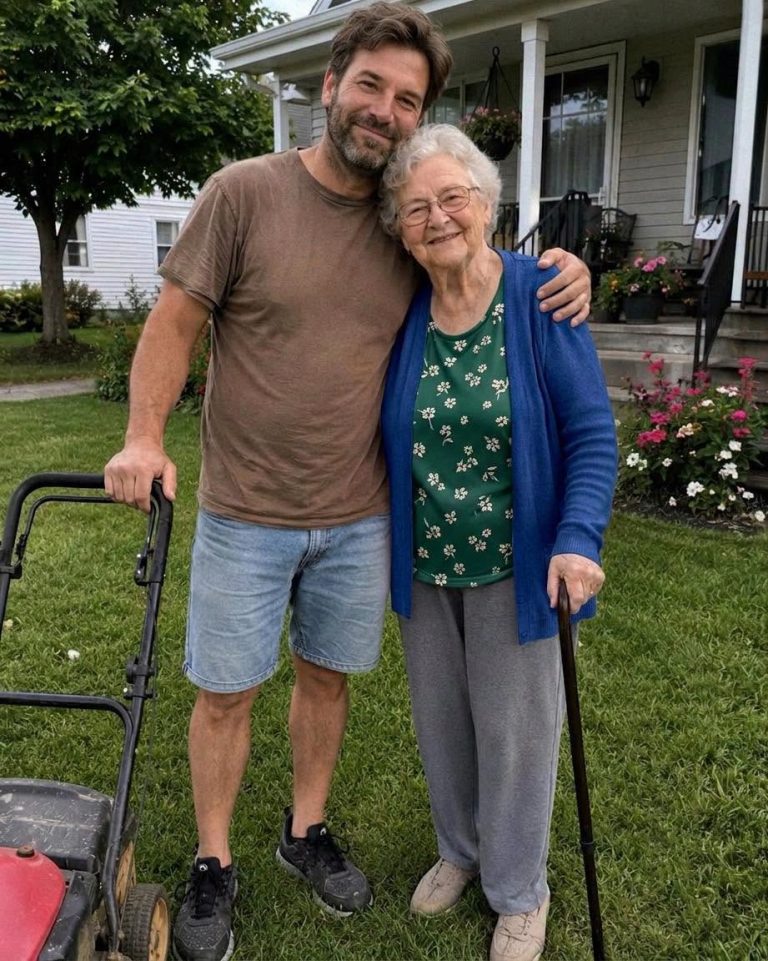
In a fast-paced world dominated by digital screens and busy schedules, simple acts of neighborly kindness often go unnoticed. Yet, taking a few minutes out of a busy afternoon to help someone in need—whether it is mowing an elderly neighbor’s lawn, helping carry heavy groceries, or simply stopping by for a warm conversation—can create a profound ripple effect across an entire community.
Intergenerational connection and neighborly care lie at the absolute core of strong, resilient neighborhoods. In this comprehensive article, we explore the social, physical, and emotional benefits of community kindness, practical ways to support aging seniors in your neighborhood, and how simple gestures foster lasting bonds.
Why Small Acts of Kindness Matter More Than Ever
As communities grow larger and more impersonal, social isolation among aging adults has become a growing concern. Many elderly individuals take immense pride in maintaining their homes and yards, but physical limitations like arthritis, mobility challenges, or chronic pain can make routine chores overwhelming.
When neighbors step in to lend a hand with heavy tasks like lawn care or home maintenance, the positive impact extends far beyond a neatly trimmed yard:
Restoring Peace of Mind: Knowing that help is nearby relieves immense stress for seniors who worry about falling behind on property maintenance or facing municipal upkeep fines.
Building Trusting Relationships: Consistent, small interactions build deep mutual respect and safety nets within local residential areas.
Fostering a Sense of Belonging: Helping hands remind older adults that they remain valued, respected, and cherished members of their local community.
The Physical and Mental Health Benefits of Helping Others
Acts of kindness do not just benefit the recipient—they also provide measurable psychological and physical benefits to the person giving the help.
The “Helper’s High” and Emotional Wellbeing
When you engage in acts of altruism, such as helping a neighbor clear their yard, your brain releases neurochemicals like dopamine, serotonin, and oxytocin. Known colloquially as the “helper’s high,” this biological response reduces stress levels, boosts overall mood, and promotes feelings of fulfillment and happiness.
Staying Active Through Purposeful Tasks
Lawn care, gardening, and outdoor household chores double as excellent low-impact physical exercise. Pushing a lawnmower, trimming hedges, and raking leaves engage core muscles, improve cardiovascular endurance, and promote active physical fitness.
Practical Ways to Support Elderly Neighbors in Your Area
If you want to make a positive impact in your local neighborhood, start with small, actionable steps that respect personal dignity while offering meaningful support:
Offer Assistance with Yard Work: Offer to mow the lawn, shovel snow off walkways, rake autumn leaves, or water garden plants during hot summer months.
Help with Heavy Lifting and Groceries: Offer to haul heavy trash bins to the curb on collection days or carry heavy bags when you see a neighbor returning from the store.
Conduct Regular Wellness Checks: A brief knock on the door or a friendly wave across the lawn ensures that isolated neighbors are feeling well and safe, especially during extreme heat or severe winter weather.
Assist with Outdoor Home Maintenance: Simple tasks like replacing high lightbulbs, repairing loose gate latches, or clearing gutters can prevent dangerous falls for seniors.
Share Time and Conversation: Sometimes the most valuable gift you can offer is an attentive ear. Taking 10 minutes to enjoy a warm conversation on the front porch can brighten an elderly person’s entire week.
Heartwarming Facts About Kindness and Community Connections
Increased Longevity: Studies show that seniors who maintain strong social connections and interact regularly with neighbors enjoy higher mental acuity and longer life expectancies.
Neighborhood Safety: Areas where neighbors actively communicate and assist one another experience lower crime rates and higher community satisfaction scores.
The Pay-It-Forward Effect: Research in social psychology indicates that observing an act of kindness makes individuals up to three times more likely to perform a kind act for someone else.
Connecting Community Care, Safety, and Long-Term Protection
Supporting aging family members and neighbors mirrors how we approach long-term security, care coordination, and financial stability. Ensuring that seniors have reliable social support systems goes hand in hand with broader caregiving considerations, such as managing health insurance plans, evaluating home care services, and securing retirement investments.
Whether organizing community volunteer groups, planning long-term care for family members, or managing personal insurance assets, maintaining proactive, caring networks ensures peace of mind, financial protection, and dignity for everyone involved.
Frequently Asked Questions
How can I offer help to a neighbor without making them feel uncomfortable?
Approach them with warmth and modesty. Framing the offer around convenience—such as saying, “I’m already mowing my lawn, so I would love to quickly do yours too”—helps preserve their independence and pride.
What are the best low-demanding ways to help elderly neighbors in winter?
Clearing snow from driveways, salting icy steps, and ensuring heating units are functioning safely are critical ways to prevent severe winter accidents.
Why is intergenerational friendship beneficial?
Intergenerational bonds bridge generational divides, allow younger people to learn valuable life wisdom, and provide older adults with renewed energy and joy.
Conclusion
A simple act of kindness—like helping a neighbor mow their lawn on a warm afternoon—has the power to transform lives and strengthen entire communities. By looking out for one another and offering a helping hand, we build safer, warmer, and more connected neighborhoods where every generation thrives together.
