
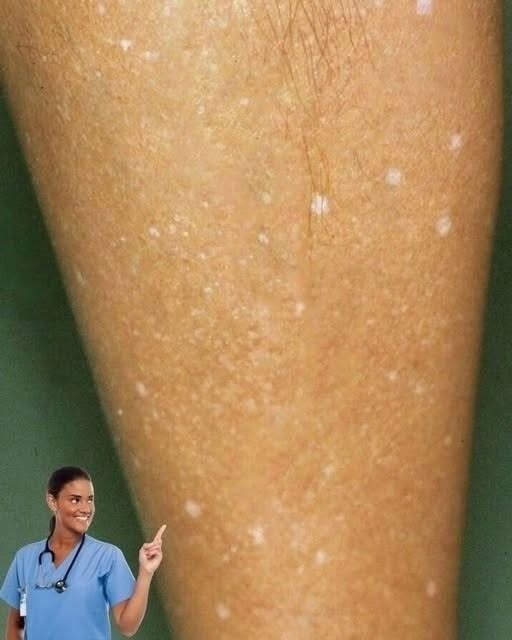
Finding tiny, porcelain-white, flat spots on sun-exposed areas like the forearms, shins, or shoulders is a common dermatological occurrence as skin matures. Known clinically as Idiopathic Guttate Hypomelanosis (IGH), these benign white macules typically measure 1 to 3 millimeters in diameter and represent localized changes in skin pigmentation rather than a contagious infection.
While IGH spots are harmless and do not lead to skin cancer, understanding their underlying physiological causes—such as long-term ultraviolet (UV) exposure, natural skin maturation, and melanocyte depletion—helps individuals distinguish them from conditions like vitiligo or tinea versicolor.
This comprehensive guide details the dermatological science behind IGH spots, skin condition comparison tables, step-by-step protective guidelines, and practical advice on household budgeting and preventative health insurance coverage.
The Biological Science: UV Exposure, Melanocytes, and Pigment Loss
+———————————————————————–+
| GUTTATE HYPOMELANOSIS PATHWAY |
+———————————————————————–+
| 1. CUMULATIVE UV LIGHT–> Solar radiation stresses surface melanocytes|
+———————————————————————–+
|
v
+———————————————————————–+
| 2. MELANOCYTE LOSS –> Reduced synthesis & distribution of melanin |
+———————————————————————–+
|
v
+———————————————————————–+
| 3. WHITE MACULES FORM –> Smooth, depigmented spots appear on limbs |
+———————————————————————–+
1. Cumulative Ultraviolet (UV) Radiation
Long-term exposure to solar UV radiation induces cumulative oxidative stress within the epidermis. Over decades, sun exposure damages melanocytes—the specialized pigment-producing cells located in the basal layer of the skin—causing them to gradually decline in number and activity.
2. Localized Depigmentation (Hypomelanosis)
As specific melanocytes cease producing melanin (the natural pigment responsible for skin tone), localized areas lose their color. This results in small, sharply defined white macules (porcelain spots) that contrast against surrounding tanned or naturally pigmented skin.
3. Epidermal Atrophy and Skin Maturation
With natural aging, epidermal turnover slows and the skin becomes thinner (epidermal atrophy). This structural thinning makes the absence of pigment-producing cells in IGH spots more visible, particularly on lower legs and forearms.
Depigmentation Condition Comparison Table
+——————–+———————–+———————–+
| Condition Name | Primary Cause | Key Visual Feature |
+——————–+———————–+———————–+
| IGH Spots | Cumulative Sun Damage | Tiny (1–3mm) Flat White|
| Vitiligo | Autoimmune Response | Expanding Large Patches|
| Tinea Versicolor | Fungal Overgrowth | Flaky, Itchy Patches |
| Post-Inflammatory | Injury or Skin Trauma | Follows Scratches/Acne|
+——————–+———————–+———————–+
Step-by-Step Instructions: How to Manage and Protect Sun-Exposed Skin
Follow these practical, evidence-based steps to protect your skin barrier and limit further pigment loss:
+———————————————————————–+
| SKIN PROTECTION CHECKLIST |
+———————————————————————–+
| Step 1: Apply broad-spectrum SPF 30+ sunscreen daily to limbs. |
| Step 2: Wear UPF 50+ protective clothing during peak sun hours. |
| Step 3: Keep skin deeply hydrated with ceramide-rich moisturizers. |
| Step 4: Avoid harsh physical scrubs or aggressive exfoliation. |
| Step 5: Schedule an annual dermatological skin check with your doctor.|
+———————————————————————–+
Apply Daily Broad-Spectrum Sunscreen: Apply a mineral or synthetic broad-spectrum sunscreen with SPF 30 or higher to exposed arms, legs, and chest every morning. Preventing further UV damage stops new IGH spots from forming.
Utilize Sun-Protective Clothing: Wear lightweight, UV-blocking garments (UPF 50+ sleeves or long trousers) when spending extended time outdoors, especially during peak UV radiation hours between 10:00 AM and 4:00 PM.
Moisturize Daily with Ceramides: Keep the skin barrier supple and smooth by applying rich, unscented moisturizers containing ceramides, hyaluronic acid, or niacinamide immediately after showering.
Avoid Harsh Physical Scrubs: Refrain from aggressively scrubbing white spots with loofahs or harsh abrasives. Mechanical trauma cannot restore lost melanocytes and may cause epidermal irritation.
Schedule Professional Skin Checks: Have a board-certified dermatologist examine new or changing skin spots during routine annual skin cancer screenings to ensure accurate diagnosis.
Home Management, Household Budgeting, and Financial Health
Adopting proactive sun protection habits directly supports smart family budgeting and personal health maintenance.
Smart Home Budgeting & Personal Care Savings
Preventing UV-induced skin damage through daily low-cost sunscreen use avoids expensive cosmetic procedures—such as topical retinoids, laser therapy, or dermabrasion—later in life. Managing your personal care and skincare budget intentionally enables families to preserve capital to build emergency savings accounts, pay off high-interest credit card debt, or allocate funds toward long-term financial investments.
Preventive Dermatology, Health Insurance, and Medicare Protection
Annual full-body skin checks, mole evaluations, and dermatological consultations are heavily covered under primary health insurance policies and Medicare. Utilizing preventative health coverage minimizes out-of-pocket medical bills while safeguarding both physical well-being and personal financial peace of mind.
Frequently Asked Questions (FAQ)
Are tiny white IGH spots dangerous or contagious?
No. Idiopathic Guttate Hypomelanosis is completely benign, non-contagious, and harmless. It is strictly a cosmetic pigment shift associated with sun exposure and skin maturation.
Can white sun spots be reversed?
Because IGH involves a localized loss of melanocytes, restoring original pigment is difficult. However, dermatological treatments like topical retinoids, light chemical peels, or fractional lasers can improve overall skin texture and blend pigmentation contrast.
Conclusion
Tiny white spots on the arms and legs are a benign, common sign of cumulative sun exposure and natural skin maturation. Protect your skin with daily sunscreen, maintain proper hydration, schedule annual skin checks, and enjoy healthy, vibrant skin!
