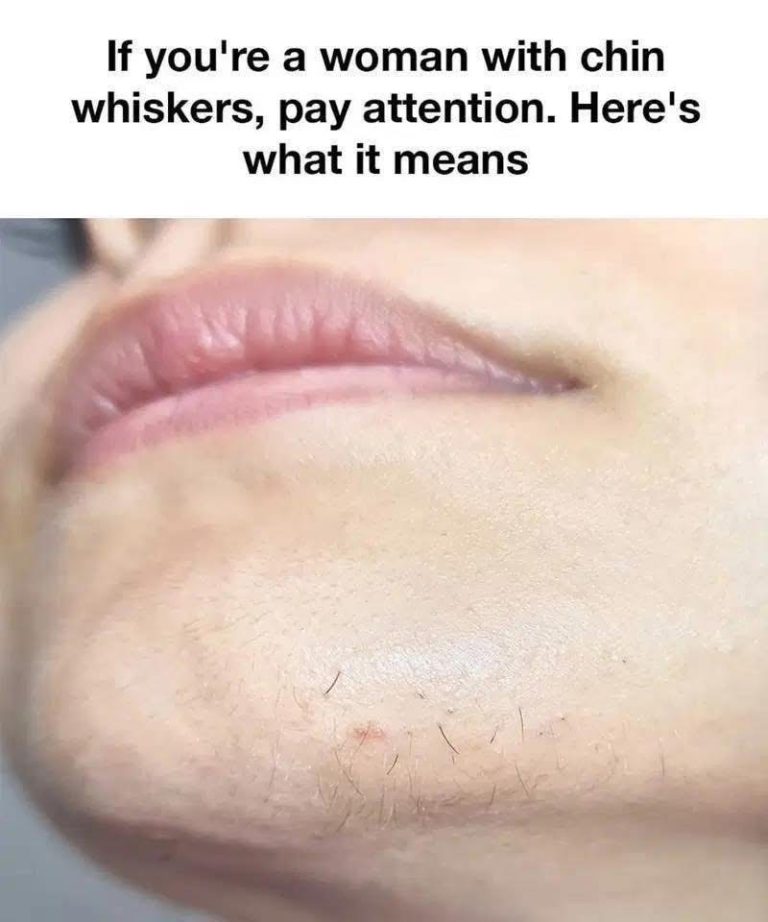
Finding coarse, dark chin hairs or stray “whiskers” is a common experience for many women across different life stages. While plucking or tweezing offers quick cosmetic relief, the growth of coarse facial hair in male-pattern distribution areas—known clinically as hirsutism—is driven by underlying endocrine dynamics, hormonal sensitivity, and metabolic regulation. Understanding why hair follicles on the chin transition from fine, light vellus hair to coarse terminal hair allows women to identify hormonal shifts, seek appropriate medical evaluation, and manage unwanted hair effectively.This comprehensive guide details the physiological mechanisms behind female chin whiskers, hormonal condition comparison tables, step-by-step diagnostic and treatment guidelines, and practical advice on household budgeting and preventative healthcare coverage.The Biological Science: Androgens, Follicle Receptors, and Hormonal Shifts+———————————————————————–+
| FEMALE FACIAL HAIR PATHWAY |
+———————————————————————–+
| 1. FREE ANDROGENS –> Elevated circulating testosterone / DHEA |
+———————————————————————–+
|
v
+———————————————————————–+
| 2. ENZYME CONVERSION –> 5-alpha reductase converts to DHT |
+———————————————————————–+
|
v
+———————————————————————–+
| 3. FOLLICLE TRANSITION–> Vellus hair shifts to coarse terminal hair |
+———————————————————————–+
1. The Role of Androgens in Hair Follicle DevelopmentAll women naturally produce small amounts of male hormones (androgens), primarily testosterone and dehydroepiandrosterone (DHEA), synthesized by the ovaries and adrenal glands. Hair follicles on the chin, jawline, upper lip, and neck possess androgen receptors that are particularly sensitive to fluctuating hormone levels.2. The Vellus-to-Terminal Hair TransitionUnder the influence of free active androgens—specifically Dihydrotestosterone (DHT) converted by the enzyme 5-alpha reductase—fine, soft, unpigmented vellus hair follicles undergo structural hypertrophy. The follicles expand, producing thick, dark, coarse terminal hairs.3. Key Physiological Drivers of Chin Hair GrowthPolycystic Ovary Syndrome (PCOS): The most frequent metabolic and reproductive cause of hirsutism, characterized by elevated androgen production, irregular menstrual cycles, and insulin resistance.Perimenopause and Menopause Transitions: As ovarian estrogen and progesterone levels naturally decline during perimenopause and menopause, the ratio of circulating androgen to estrogen shifts, making hair follicles relatively more sensitive to baseline testosterone levels.Insulin Resistance and Metabolic Stress: High circulating insulin levels stimulate the ovaries to synthesize excess testosterone while simultaneously lowering Sex Hormone-Binding Globulin (SHBG), leaving more free testosterone active in the bloodstream.Adrenal Hyperplasia or Cushing’s Syndrome: Overactivity of the adrenal glands leads to excess cortisol and androgen precursor synthesis, triggering rapid hair growth across the body.Hormonal Etiology Factor Comparison Table+——————–+———————–+———————–+
| Underlying Trigger | Primary Cause / Shift | Typical Accompanying Signs |
+——————–+———————–+———————–+
| PCOS | High Ovarian Androgens| Irregular Cycles, Acne|
| Menopause Transition| Estrogen Decline Ratio| Hot Flashes, Mood Shifts|
| Insulin Resistance | Low SHBG / High Insulin| Weight Gain, Fatigue |
| Idiopathic Hirsutism| High Follicle Sensitivity| Normal Serum Hormones |
+——————–+———————–+———————–+
Step-by-Step Instructions: How to Evaluate and Manage Facial Hair GrowthFollow these practical, evidence-based steps to address unwanted chin hair and support hormonal wellness:+———————————————————————–+
| CHIN HAIR MANAGEMENT CHECKLIST |
+———————————————————————–+
| Step 1: Schedule endocrine bloodwork (Free/Total Testosterone & DHEA)|
| Step 2: Evaluate glucose levels & fasting insulin for metabolic stress|
| Step 3: Discuss anti-androgen prescription options with your doctor. |
| Step 4: Utilize safe, long-term removal methods (Electrolysis/Laser).|
| Step 5: Adopt a low-glycemic, anti-inflammatory dietary pattern. |
+———————————————————————–+
Request a Comprehensive Hormonal Panel: Consult with a primary care physician or endocrinologist to test total and free testosterone, DHEA-sulfate, luteinizing hormone (LH), follicle-stimulating hormone (FSH), and fasting insulin levels.Evaluate Metabolic Health: Because insulin resistance accelerates ovarian androgen production, request a fasting blood glucose and HbA1c screening to check for metabolic imbalances.Explore Evidence-Based Medical Therapies: If hormonal imbalances are identified, doctors may prescribe combined oral contraceptives, spironolactone (an androgen receptor blocker), or topical eflornithine cream to slow facial hair growth rates.Choose Safe Cosmetic Hair Removal Options: For immediate management, trimming, dermaplaning, or threading avoids skin irritation. For permanent reduction, consider professional electrolysis or laser hair removal (most effective on dark hair with contrasting skin tones).Support Hormonal Balance Through Nutrition: Adopt a balanced, anti-inflammatory diet rich in whole vegetables, lean proteins, healthy fats, and complex carbohydrates while reducing refined sugars to stabilize insulin levels.Home Management, Household Budgeting, and Financial HealthAddressing hormonal imbalances early supports long-term wellness and smart household budget planning.Smart Home Budgeting & Personal Care SavingsInvestigating the root cause of sudden hirsutism through targeted medical care prevents spending money on endless short-term cosmetic products, temporary salon waxes, or unproven home gadgets. Managing your health and grooming budget intentionally enables families to preserve capital to build emergency savings accounts, pay off high-interest credit card debt, or allocate funds toward long-term financial investments.Women’s Health, Insurance Benefits, and Medicare SecurityDiagnostic evaluations for PCOS, thyroid health, and endocrine function are heavily covered under primary health insurance policies and Medicare. Utilizing preventative health coverage minimizes out-of-pocket medical bills while safeguarding both physical well-being and personal financial peace of mind.Frequently Asked Questions (FAQ)Does plucking chin hairs cause them to grow back thicker or darker?No. Plucking, waxing, or shaving does not alter the underlying follicle structure or change hair thickness. However, aggressive plucking can cause ingrown hairs, folliculitis, or hyperpigmentation, so gentle hair removal techniques are recommended.Are stray chin hairs normal as women get older?Yes! A few stray, coarse chin hairs are extremely common with age due to natural hormonal shifts during perimenopause and post-menopause. Sudden, rapid growth of widespread facial hair, however, warrants a medical evaluation.ConclusionChins whiskers in women are a natural indicator of follicle sensitivity and shifting hormones. Evaluate your internal health with a healthcare provider, adopt balanced lifestyle habits, choose safe hair removal options, and protect your long-term vitality!
Chin Whiskers in Women: Hormonal Science, Causes, and Management