
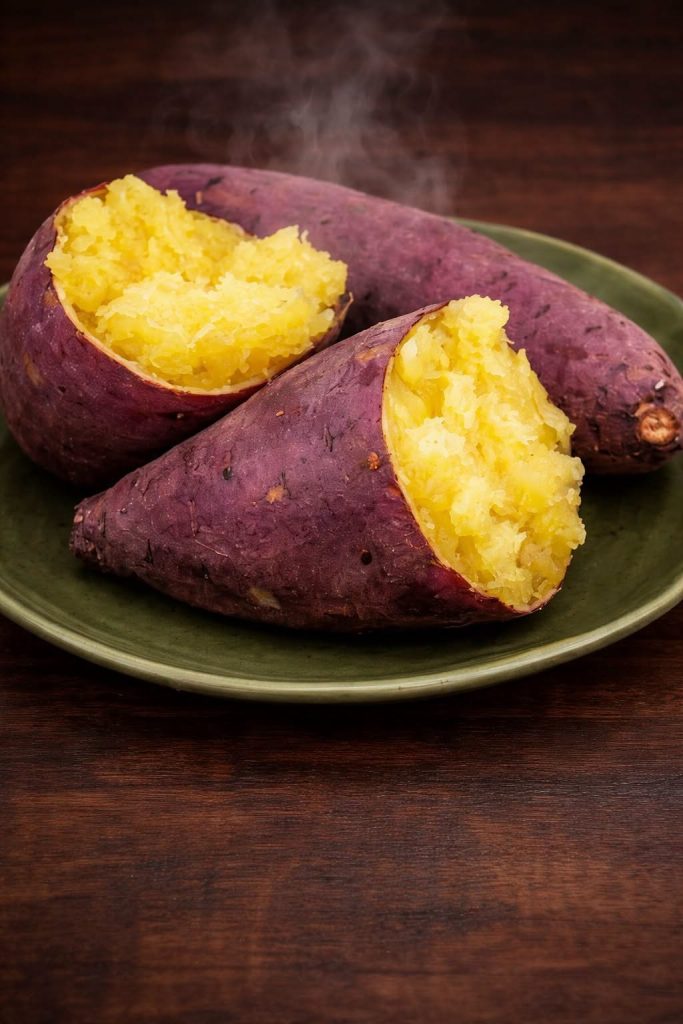
Japanese sweet potatoes, known locally in Japan as Satsumaimo, are widely celebrated for their signature deep purple skin, pale yellow flesh, and rich, naturally sweet chestnut flavor. Unlike common orange sweet potatoes, these vibrant root vegetables boast a fluffier, creamier texture when baked or roasted, making them a satisfying comfort food loved across Asian cuisine.
Beyond their delicious culinary versatility, Japanese sweet potatoes are a true nutritional powerhouse packed with vitamins, complex carbohydrates, and dietary fiber. Incorporating Satsumaimo into your regular meal rotation supports digestive wellness, sustained energy levels, and overall vitality. Here is an in-depth breakdown of the health benefits, culinary uses, and nutritional profile of Japanese sweet potatoes.
Impressive Nutritional Highlights of Satsumaimo
Japanese sweet potatoes offer a remarkable density of essential nutrients that support long-term physical health:
1. Rich in Dietary Fiber and Digestive Support
-
Promotes Gut Health: Packed with soluble and insoluble fiber, Satsumaimo helps regulate digestion, supports healthy bowel movements, and feeds beneficial gut microbiota.
-
Contains Resistant Starch: When baked and allowed to cool slightly, sweet potatoes develop resistant starch, a unique compound that acts as a prebiotic, reducing inflammation in the colon.
2. High in Antioxidants and Essential Vitamins
-
Abundant Vitamin C: A single serving provides a significant dose of Vitamin C, a powerful antioxidant that boosts immune function, enhances skin elasticity, and protects cells from oxidative stress.
-
Loaded with Vitamin A (Beta-Carotene): Supports optimal eye vision, immune system resilience, and cellular repair.
-
Essential Potassium: Contains high levels of potassium, which helps regulate blood pressure, maintain fluid balance, and support muscle performance.
3. Sustained Energy and Low Glycemic Impact
Unlike refined carbohydrates that cause rapid spikes and crashes in blood glucose, the complex carbohydrates in Japanese sweet potatoes break down slowly in the digestive tract. This provides steady, long-lasting energy, making them an ideal pre-workout snack or nourishing meal component for blood sugar management.
How to Perfectly Bake Japanese Sweet Potatoes
Achieving the iconic soft, sweet, and caramel-like texture shown in the image requires simple low-and-slow baking technique:
-
Scrub and Dry: Wash the purple skin thoroughly under cool water to remove soil, then pat completely dry.
-
Prick with a Fork: Pierce the outer skin several times with a fork to allow steam to escape during cooking.
-
Bake Low and Slow: Place the whole sweet potatoes on a parchment-lined baking sheet and roast at 375°F (190°C) for 50 to 60 minutes until tender. The lower temperature allows the enzymes inside to slowly break starches down into natural maltose sugar.
-
Serve and Enjoy: Slice open lengthwise to reveal the fluffy, steaming yellow interior. Enjoy plain or with a light pat of grass-fed butter.
Smart Household Budgeting and Meal Prep
Incorporating whole, nutrient-dense root vegetables into your weekly meal planning yields both health and financial rewards:
-
Budget-Friendly Superfood: Root vegetables like sweet potatoes have an extended shelf life when stored in a cool, dark place, making them an affordable, low-waste produce option.
-
Meal Prep Versatility: Roasted sweet potatoes store well in airtight containers for up to five days in the refrigerator, providing quick additions to breakfast bowls, salads, and dinner sides.
-
Invest in Preventive Health: Prioritizing a whole-food diet rich in fiber and antioxidants reduces long-term healthcare costs by helping prevent chronic metabolic and cardiovascular conditions.
Frequently Asked Questions (FAQ)
Can you eat the purple skin of a Japanese sweet potato?
Yes! The purple skin is entirely edible and holds a concentrated amount of dietary fiber, minerals, and antioxidants. Just ensure it is washed thoroughly before baking.
What is the difference between Japanese sweet potatoes and orange yams?
Japanese sweet potatoes have reddish-purple skin and yellow-white flesh with a sweeter, chestnut-like flavor and denser texture. Orange sweet potatoes (often labeled as yams in U.S. grocery stores) have a higher moisture content and a milder, pumpkin-like taste.
Are Japanese sweet potatoes good for weight management?
Yes. Thanks to their high fiber and complex carbohydrate content, they promote long-lasting satiety, helping curb overeating and sugar cravings throughout the day.
Incorporating Japanese sweet potatoes into your diet offers a delicious, nutrient-dense way to nourish your body and fuel your everyday wellness.
