
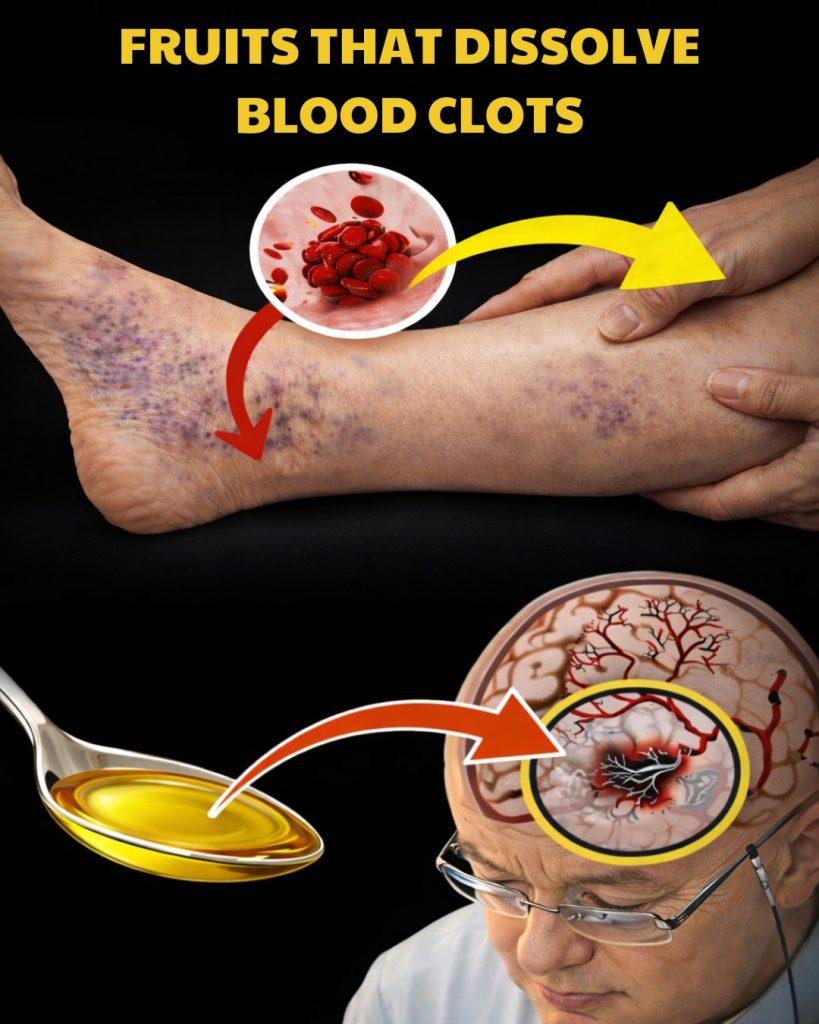
Maintaining healthy blood circulation and smooth vascular flow is fundamental to preventing thrombosis—the formation of blood clots inside arteries or veins. While medical blood thinners (anticoagulants and antiplatelet agents) are strictly required for diagnosed cardiovascular conditions or acute clot management, certain fruits contain bioactive compounds that naturally support circulatory health, inhibit excessive platelet aggregation, and promote arterial flexibility.
Understanding how specific fruit enzymes, antioxidants, and salicylates interact with vascular pathways empowers individuals to make heart-healthy dietary choices alongside routine medical care.
This comprehensive guide details 5 primary fruits that support vascular circulation, circulatory factor comparison tables, step-by-step dietary guidelines, and practical advice on household budgeting and preventative healthcare coverage.
The Biological Science: Platelet Aggregation, Fibrinolysis, and Vascular Flow
+-----------------------------------------------------------------------+
|                    VASCULAR CIRCULATION PATHWAY                       |
+-----------------------------------------------------------------------+
| 1. BIOACTIVE INTAKE  --> Polyphenols, bromelain & natural salicylates |
+-----------------------------------------------------------------------+
                                   |
                                   v
+-----------------------------------------------------------------------+
| 2. PLATELET MODULATION--> Inhibits excessive clotting factor cascade   |
+-----------------------------------------------------------------------+
                                   |
                                   v
+-----------------------------------------------------------------------+
| 3. VASCULAR PROTECTION--> Enhances nitric oxide & arterial elasticity |
+-----------------------------------------------------------------------+
1. Bromelain and Proteolytic Enzyme Activity
Pineapple is rich in bromelain, a potent proteolytic (protein-digesting) enzyme. Research indicates that bromelain helps break down fibrin—the structural protein mesh involved in blood clot formation—while modulating platelet aggregation and reducing inflammatory vascular swelling.
2. Natural Salicylates and Antiplatelet Mechanisms
Fruits such as berries, kiwis, grapes, and citrus contain natural compounds known as salicylates (relatives of acetylsalicylic acid or aspirin). Salicylates help interfere with pro-clotting thromboxane synthesis, keeping blood platelets smooth so they pass through micro-vessels without clumping excessively.
3. Flavonoids, Polyphenols, and Nitric Oxide Production
Dark berries, pomegranates, and red grapes supply concentrated anthocyanins and polyphenols. These antioxidants stimulate endothelial cells to release nitric oxide, which dilates blood vessels, improves systemic arterial elasticity, and lowers resting blood pressure.
Key Fruits for Circulatory and Vascular Support
1. Pineapple (Rich in Fibrinolytic Bromelain)
Pineapple is the premier dietary source of bromelain, which aids fibrin breakdown and supports smooth cardiovascular blood flow.
2. Kiwifruit (Natural Antiplatelet Support)
Studies show that consuming 2 to 3 kiwifruits daily reduces platelet reactivity and lowers triglyceride levels in the blood, supporting healthy circulation without altering cholesterol ratios negatively.
3. Pomegranates (Polyphenols & Endothelial Protection)
Pomegranates are packed with punicalagins and antioxidants that protect arterial walls from oxidative damage, prevent plaque accumulation, and enhance systemic blood flow.
4. Dark Berries (Blueberries, Blackberries, & Strawberries)
Loaded with anthocyanins, dark berries strengthen capillary walls, reduce systemic inflammation, and prevent LDL cholesterol oxidation within blood vessel linings.
5. Citrus Fruits (Oranges, Grapefruits, & Lemons)
Citrus fruits provide high levels of hesperidin and naringin—flavonoids that improve micro-vascular circulation, strengthen fragile veins, and support overall cardiovascular health.
Vascular Support Fruit Factor Comparison Table
+--------------------+-----------------------+-----------------------+
| Fruit Name         | Key Active Compound   | Primary Vascular Benefit|
+--------------------+-----------------------+-----------------------+
| Pineapple          | Bromelain Enzyme      | Fibrin Breakdown      |
| Kiwifruit          | Salicylates & Vit. C  | Antiplatelet Function |
| Pomegranate        | Punicalagins          | Nitric Oxide Release  |
| Dark Berries       | Anthocyanins          | Endothelial Integrity |
| Citrus Fruits      | Hesperidin Flavonoids | Capillary Strength    |
+--------------------+-----------------------+-----------------------+
Step-by-Step Instructions: How to Support Circulatory Health Daily
Follow these practical, evidence-based steps to incorporate vascular-supporting foods into your routine safely:
+-----------------------------------------------------------------------+
|                     VASCULAR HEALTH CHECKLIST                         |
+-----------------------------------------------------------------------+
| Step 1: Incorporate 1–2 servings of fresh pineapple or kiwi daily.    |
| Step 2: Eat a handful of antioxidant-rich dark berries every morning. |
| Step 3: Stay thoroughly hydrated with 8–10 glasses of water daily.     |
| Step 4: Engage in 30 minutes of walking or leg movement to boost flow. |
| Step 5: Consult your doctor before combining fruit extracts with drugs.|
+-----------------------------------------------------------------------+
-
Consume Fresh, Unprocessed Whole Fruits: Enjoy fresh slices of pineapple, kiwi, or whole berries as part of your daily meals rather than heavily processed fruit juices, preserving valuable dietary fiber and heat-sensitive enzymes.
-
Maintain Constant Daily Hydration: Drink plenty of fresh water throughout the day. Dehydration thickens blood volume, making circulation more sluggish and increasing strain on vein valves.
-
Engage in Frequent Leg Movement: Combine a circulatory diet with regular walking, ankle pumps, or calf raises. Muscle contraction in the lower legs acts as a venous pump, driving blood back toward the heart and preventing pooling.
-
Avoid High-Sodium and Trans-Fat Meals: Reduce processed foods high in sodium and unhealthy fats that elevate blood pressure and promote arterial stiffening.
-
Coordinate with Prescription Blood Thinners: If you are currently prescribed anticoagulant medications (such as warfarin, Eliquis, or aspirin), consult your primary care physician or cardiologist before making major dietary shifts or taking concentrated fruit extracts.
Home Management, Household Budgeting, and Financial Health
Prioritizing cardiovascular wellness through accessible whole-food nutrition directly supports long-term family financial security.
Smart Home Budgeting & Grocery Savings
Integrating affordable, nutrient-rich seasonal fruits into your weekly meal plans offers a cost-effective way to support daily vascular health. Proactive dietary choices help prevent severe cardiovascular complications, avoiding costly emergency medical visits, long-term prescription costs, and hospital care. Managing your household grocery and healthcare budget intentionally enables families to preserve capital to build emergency savings accounts, pay off high-interest credit card debt, or allocate funds toward long-term financial investments.
Vascular Screening, Health Insurance, and Medicare Security
Annual cardiovascular checkups, lipid panel bloodwork, blood pressure monitoring, and vein evaluations are heavily covered under primary health insurance policies and Medicare. Utilizing preventative healthcare coverage minimizes out-of-pocket medical bills while safeguarding both physical well-being and personal financial peace of mind.
Frequently Asked Questions (FAQ)
Can fruits replace prescription blood thinners?
No! While fruits support general circulatory health and vascular flexibility, they cannot replace medically prescribed anticoagulants for treating active Deep Vein Thrombosis (DVT), Pulmonary Embolism (PE), or atrial fibrillation. Always follow your physician’s therapeutic treatment plan.
Are there any fruits to avoid if taking blood thinners?
Yes. Grapefruit can interact with certain blood pressure and cholesterol medications, while sudden large shifts in vitamin K intake (found in kiwi and green leafy produce) can alter warfarin effectiveness. Consult your doctor for personalized dietary guidance.
Conclusion
Supporting healthy blood circulation is easy with nutrient-packed fruits like pineapple, kiwi, berries, and pomegranates! Eat a colorful whole-food diet, stay well-hydrated, keep moving daily, and protect your vascular vitality for a long, healthy life!
