
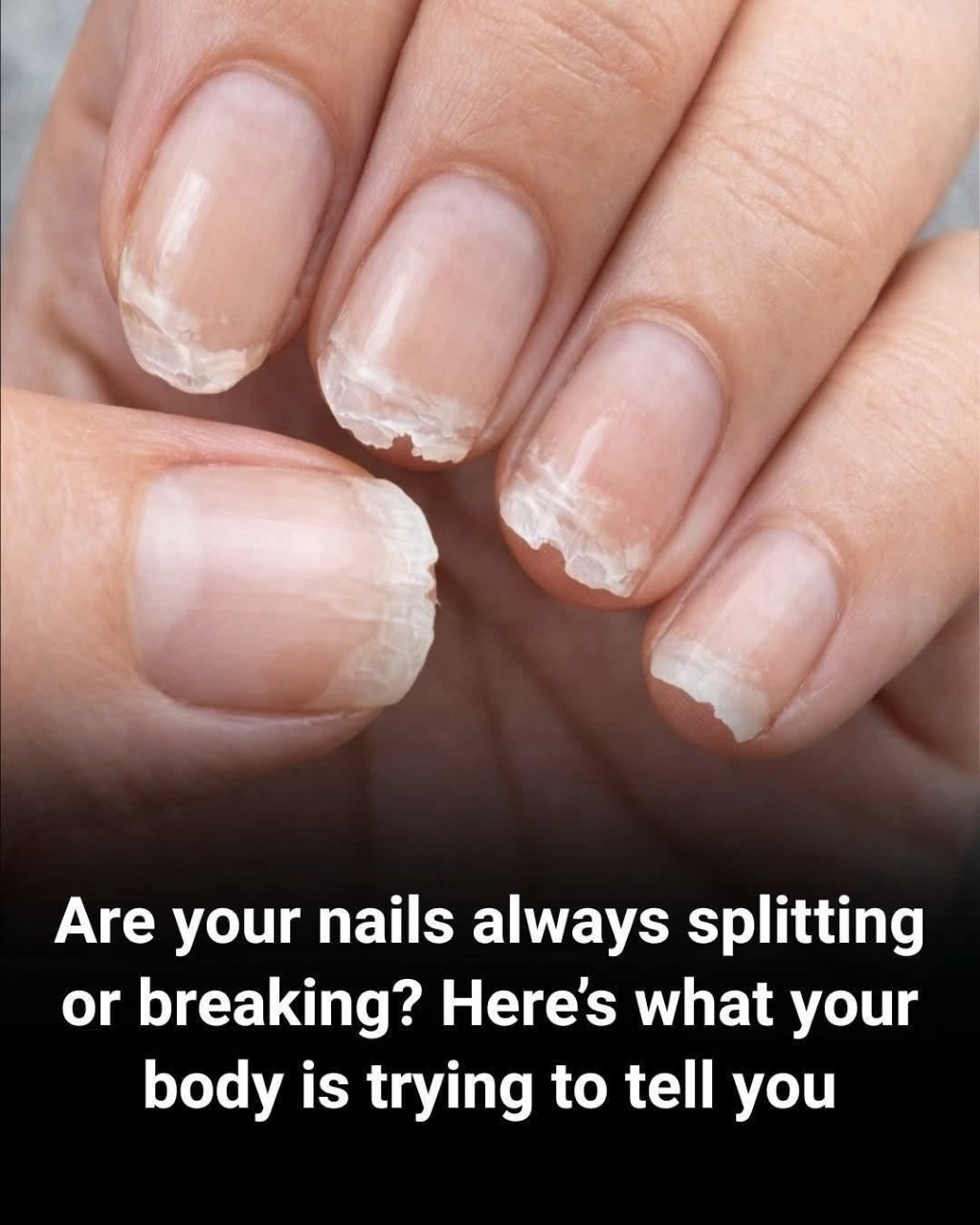
Have you ever noticed your fingernails constantly peeling, cracking, or splitting at the tips? While it is easy to dismiss brittle nails as a cosmetic frustration or the consequence of a bad manicure, the condition of your nails often serves as a direct mirror reflecting your overall internal health. Known medically as onychoschizia, horizontal splitting or peeling of the nail plate is a widespread issue that affects millions of people daily.
Understanding why your nails are breaking requires looking beyond surface-level beauty treatments. From essential vitamin deficiencies and systemic medical conditions to daily environmental habits and chemical exposure, multiple factors can weaken the keratin layers that keep your nails resilient and strong.
This comprehensive guide explores the root causes of peeling and splitting nails, uncovers key health warning signs, outlines effective prevention strategies, and explains when it is time to seek professional medical advice.
Understanding the Structure of Your Nails
To understand why nails split, it helps to examine how they are built. Nails are composed primarily of stacked layers of a tough, protective protein called keratin, which is also found in your hair and skin. A healthy nail plate is smooth, uniform in color, and flexible enough to withstand everyday impacts without cracking.
When the keratin layers lose intercellular moisture, fatty lipids, or structural integrity, they separate from one another. This causes the free edge of the nail to flake, peel off in horizontal sheets, or snap off along vertical ridges.
+———————————————————————–+
| NAIL PLATE ANATOMY & LAYERS |
+———————————————————————–+
| Top Keratin Layer –> Exposed to chemicals, dry air & physical stress|
| Middle Matrix Layer –> Contains moisture & structural proteins |
| Nail Bed / Base –> Receives systemic nutrients & blood circulation|
+———————————————————————–+
Primary Causes of Weak, Splitting, and Peeling Nails
Nail brittleness usually stems from a combination of external environmental factors and internal physiological influences. Identifying which category your symptoms fall into is the first step toward effective treatment.
+———————————–+———————————–+
| Environmental & External Factors | Internal & Health-Related Factors |
+———————————–+———————————–+
| Frequent handwashing & water exposure| Iron deficiency anemia |
| Harsh household cleaning chemicals| Thyroid disorders (Hypothyroidism)|
| Acetone nail polish removers | Vitamin & mineral deficiencies |
| Gel/Acrylic nail enhancements | Age-related moisture decline |
| Cold, dry weather & low humidity | Poor peripheral blood circulation |
+———————————–+———————————–+
1. Excessive Water Exposure and Dehydration
One of the most frequent external triggers for peeling nails is repeated exposure to water. When your hands are constantly submerged in water—whether from washing dishes, swimming, or frequent handwashing—the nail plate absorbs water and swells. As the nail dries, it contracts. This rapid swelling and shrinking cycle weakens the bonds between keratin layers, leading to peeling and flaking over time.
2. Exposure to Harsh Household Chemicals
Direct contact with harsh soaps, hand sanitizers, dishwashing detergents, and household cleaning solvents strips the natural oils from your hands and nails. Acetone-based nail polish removers are particularly drying, removing the essential lipid lipids that keep keratin sheets bound tightly together.
3. Nutritional Deficiencies
Your body requires a steady supply of specific vitamins and minerals to construct dense, healthy keratin matrix cells. Key deficiencies associated with weak nails include:
Iron: Low iron levels reduce oxygen transport to the nail matrix, causing nails to become thin, brittle, or spoon-shaped (koilonychia).
Biotin (Vitamin B7): Plays a vital role in protein metabolism and cell growth necessary for strong nail structure.
Calcium and Zinc: Essential minerals required for cell division, tissue repair, and structural firmness.
Protein: Since keratin is a protein, inadequate dietary protein intake directly impacts nail growth rates and durability.
4. Underlying Medical Conditions
Sometimes, peeling nails indicate a systemic medical issue that requires healthcare evaluation:
Thyroid Dysfunction: Both hypothyroidism (underactive thyroid) and hyperthyroidism (overactive thyroid) alter metabolic processes, leading to dry, fragile skin, hair, and nails.
Anemia: Chronic iron or Vitamin B12 deficiency compromises blood oxygenation to peripheral tissues.
Psoriasis or Eczema: Inflammatory skin conditions can affect the root of the nail, leading to pitting, ridges, and easy breakage.
Practical Tips to Strengthen and Repair Weak Nails
Restoring strength to damaged nails requires consistent daily care and simple lifestyle adjustments. Here are proven steps to repair your nails and prevent future breakage:
+———————————————————————–+
| DAILY NAIL RECOVERY ROUTINE |
+———————————————————————–+
| STEP 1: Wear protective rubber gloves during housework and dishwashing.|
| STEP 2: Apply a rich cuticle oil or thick ointment twice daily. |
| STEP 3: Keep nails filed short with a gentle glass or crystal file. |
| STEP 4: Take a break from artificial nails and acetone polish removers.|
+———————————————————————–+
Protect Your Hands with Gloves
Always wear heavy-duty rubber or silicone gloves when washing dishes, cleaning house, or gardening. Preventing direct contact with water and harsh detergents is the single most effective way to stop external nail peeling.
Hydrate and Seal
Treat your nails with the same care as facial skin. Apply a thick hand cream, petroleum jelly, or nutrient-rich cuticle oil (containing jojoba or Vitamin E oil) immediately after washing your hands to lock in vital surface moisture.
Use Proper Filing Techniques
Avoid rough metal emery boards, which create microscopic tears along the edge of the nail that turn into deep cracks. Switch to a fine-grit glass or crystal nail file. Always file gently in one single direction rather than using a sawing back-and-forth motion.
Maintain Balanced Nutrition
Incorporate nutrient-dense foods into your regular diet:
Lean meats, eggs, and fish for high-quality protein.
Leafy greens, lentils, and beans for iron and folate.
Nuts, seeds, and whole grains for zinc and essential fatty acids.
Health and Financial Wellness: Prioritizing Self-Care
Investing time in preventive personal health care reduces long-term medical burdens and improves daily quality of life.
Navigating Healthcare and Medical Consultations
If persistent nail splitting is accompanied by fatigue, hair loss, unexplained weight changes, or skin irritation, it is wise to consult a primary care physician or dermatologist. Professional diagnostic blood work can quickly check for iron levels, thyroid balance, and metabolic markers. Utilizing your primary health insurance coverage for routine wellness checks ensures potential health conditions are identified early, preventing expensive medical treatments or emergency medical bills later on.
Budgeting for Wellness and Professional Care
Maintaining a healthy lifestyle does not require overspending on high-end salon treatments or costly cosmetic products. Simple home remedies—such as drugstore cuticle oils, balanced groceries, and protective gloves—are budget-friendly choices. Managing your personal health routine thoughtfully allows you to maintain wellness without impacting your household finances, retirement savings, or personal credit goals.
Fascinating Facts About Human Nail Growth
Growth Speed: Fingernails grow an average of 3.47 millimeters per month, whereas toenails grow much slower, averaging around 1.62 millimeters per month.
Hand Dominance: Nails on your dominant hand tend to grow faster due to increased blood circulation caused by active movement and usage.
Seasonal Differences: Human nails grow significantly faster during the warm summer months than during cold winter periods.
Regeneration Time: It takes roughly 4 to 6 months for a fingernail to fully regrow from matrix to tip, while a full toenail replacement can take up to a full year.
Frequently Asked Questions (FAQ)
How long does it take for peeling nails to heal?
Because the damaged portion of a nail cannot “fuse” back together, you must allow the damaged area to grow out completely. With proper protective care and nutrition, noticeable improvement typically takes 2 to 3 months as new keratin forms.
Do biotin supplements actually help strengthen brittle nails?
Clinical studies suggest that daily biotin supplementation may help increase nail thickness and reduce splitting for individuals with low baseline levels. However, it is best to consult your healthcare provider before starting any new supplement regimen.
Can gel polishes or acrylics cause permanent nail damage?
Frequent application and aggressive removal of gel or acrylic nails strip away the top protective layers of natural keratin. While this causes temporary thinning and peeling, the new nail growing from the matrix behind your cuticle will grow back healthy if allowed to rest.
Is vertical ridging on nails dangerous?
No, vertical ridges running from the cuticle to the tip are a normal part of the aging process, similar to developing fine wrinkles on the skin. However, horizontal ridges (known as Beau’s lines) may indicate past severe stress, fever, or illness.
Should I keep my nails polished while trying to repair them?
It is best to take a break from nail polish for at least 2 to 4 weeks to avoid exposure to drying solvents and removers. If you prefer polish, use a non-toxic, breathable base coat free of harsh chemicals like formaldehyde and toluene.
Conclusion
Brittle, peeling, and splitting nails are frequently a sign that your body needs extra moisture, improved protection from external stressors, or targeted nutritional support. By wearing protective gloves, applying moisturizing cuticle treatments regularly, eating a well-rounded nutrient-dense diet, and addressing potential underlying medical conditions, you can restore natural strength and shine to your nails. Take proactive care of your hands today—they do so much for you every single day!
