
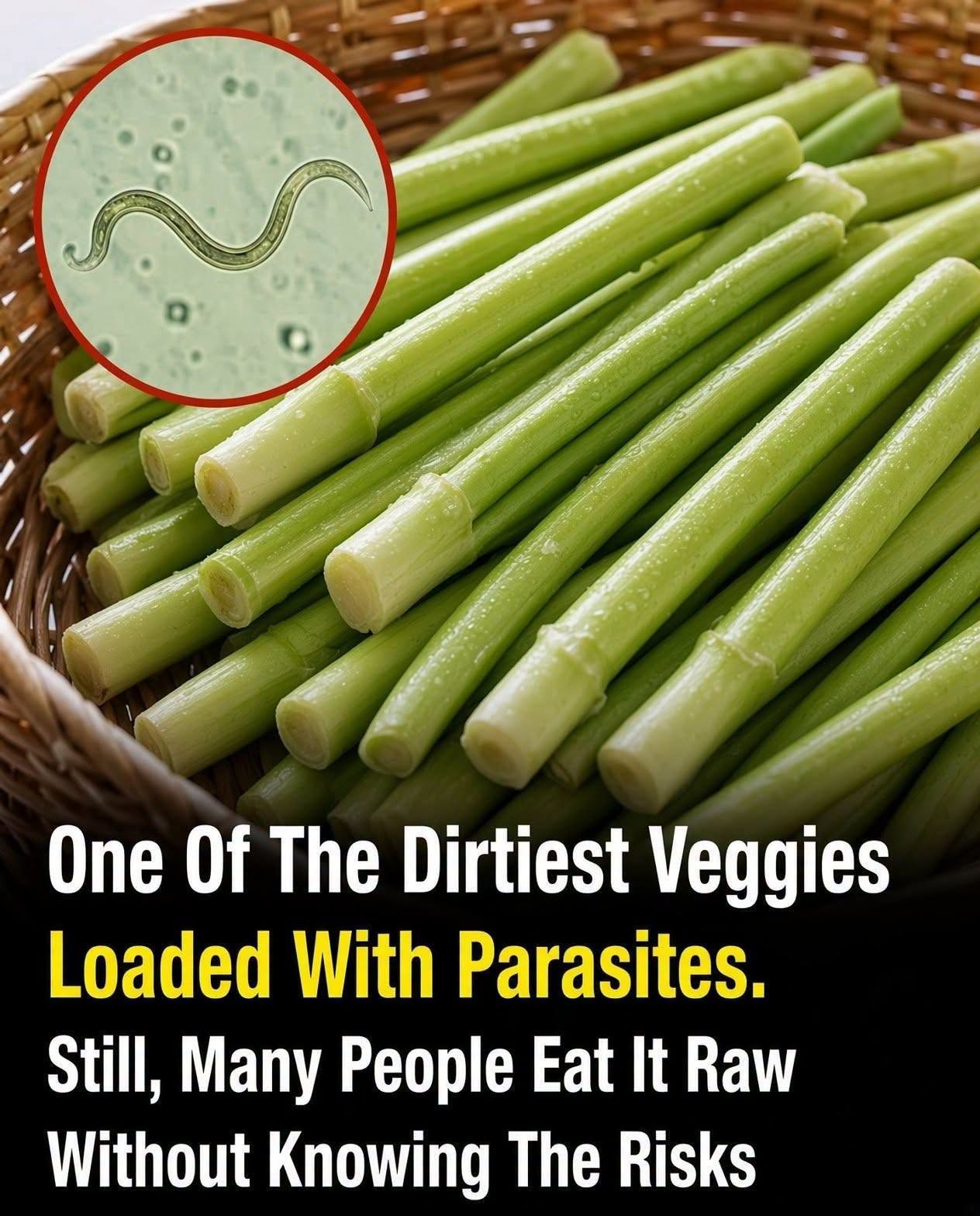
Green onions are one of those simple ingredients that can make an ordinary meal taste so much better.
Sprinkle them over a baked potato, add them to a fresh salad, toss them into a stir-fry, or scatter a handful over your favorite soup.
Their mild, fresh flavor adds a little something special without overpowering the rest of the dish.
But there’s one thing you might not think about when chopping a bunch of scallions: because green onions are often eaten raw, any harmful microorganisms on their surface may end up on your plate.
You’ve probably seen alarming claims online describing green onions as one of the “dirtiest vegetables.” Before you swear off your favorite garnish, though, it’s worth understanding what the real risks are.
Green onions aren’t inherently dangerous, and there is no reason for most people to avoid them altogether. Like other fresh produce, however, they can become contaminated during growing, harvesting, transportation, storage, or preparation.
The good news? A few sensible food-safety habits can help reduce the risk of foodborne illness without making your time in the kitchen complicated.
Let’s look at why raw green onions sometimes raise food-safety concerns, how to wash them properly, and what you can do to enjoy them with greater confidence.
Are Green Onions Safe to Eat Raw?
Yes, green onions can be eaten raw, provided they’re handled properly. They’re commonly used in salads, dips, sandwiches, salsas, and other dishes where cooking isn’t involved.
However, washing and handling them correctly matters because fresh produce can carry harmful microorganisms.
Unlike cooking, which can kill many foodborne pathogens when food reaches an adequate temperature, rinsing produce cannot guarantee that every harmful microorganism has been removed.
That doesn’t mean raw scallions are unusually dangerous. It simply means they deserve the same thoughtful handling as lettuce, cilantro, parsley, and other vegetables commonly eaten without cooking.
The key is to reduce contamination wherever possible, rather than assuming that a quick rinse makes any vegetable completely risk-free.
Why Can Green Onions Become Contaminated?
Green onions grow outdoors or in controlled agricultural environments, and several stages of the journey from farm to kitchen can introduce contamination.
1. Contact With Soil and Irrigation Water
Green onions grow in soil or other growing media and require water to develop.
If soil, irrigation water, or nearby environmental sources contain harmful microorganisms, contamination may occur.
Water quality is particularly important because contaminated water can spread microorganisms to the edible parts of a plant.
