
Introduction
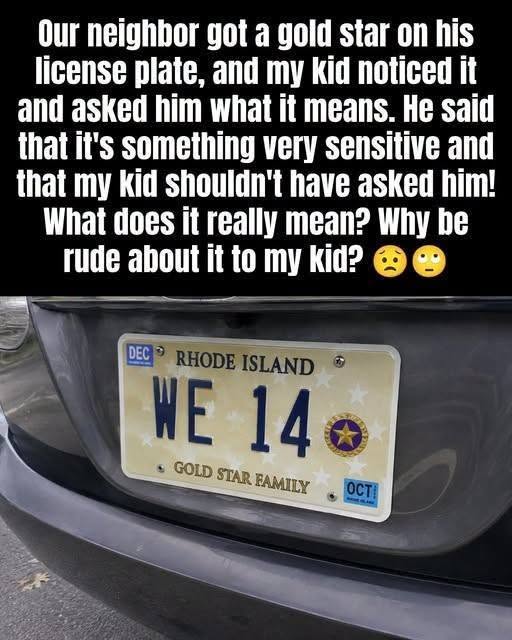
While driving, you may occasionally spot special military license plates featuring a gold star emblem alongside the text “Gold Star Family.” To someone unfamiliar with military terminology, the emblem might look like an award or accomplishment tag.
However, in military culture, the Gold Star is a solemn and highly revered symbol. It signifies that the vehicle owner is an immediate family member of a service member who lost their life while serving in the United States Armed Forces.
In this military history and etiquette guide, we will explain the meaning of Gold Star Family license plates, trace the symbol’s origins back to World War I, detail proper social etiquette when speaking to Gold Star families, and answer frequently asked questions.
1. What Is a Gold Star Family License Plate?
A Gold Star Family license plate is a specialty vehicle registration issued by state Departments of Motor Vehicles (DMVs) across the United States to honor surviving family members of fallen military personnel.
+————————–+——————————————————+
| Aspect | Historical & Official Context |
+————————–+——————————————————+
| Primary Symbol | Gold Star inside a purple/gold military seal |
| Eligible Recipients | Parents, spouses, children, or siblings of fallen |
| | military service members |
| Historical Origin | World War I (1917) Service Flags |
| Modern Significance | Public honor and remembrance for supreme sacrifice |
+————————–+——————————————————+
The History of the Gold Star Tradition
World War I Service Flags (1917): During World War I, American families with active-duty military members hung blue-and-white banners (Service Flags) in their home windows. Each blue star represented a family member actively serving in the military.
Blue Stars Turn Gold: If a service member died while in military service, the family stitched a gold star directly over the blue star. This visually communicated to the community that the family had sacrificed a loved one in service to the nation.
Formal Federal Recognition: President Woodrow Wilson approved the wearing of gold star armbands by grieving mothers in 1918. Today, the Gold Star lapel pin and official state license plates continue this historic honor.
2. Why the Subject Is So Sensitive
Understanding why a Gold Star family member might react emotionally or guarded when asked about their license plate requires empathy for their personal loss.
+————————–+——————————————————+
| Factor | Underlying Emotional Context |
+————————–+——————————————————+
| Deep Personal Grief | Represents the tragic loss of a child, spouse, or |
| | parent. |
| Unprepared Encounters | Casual public questions can trigger sudden painful |
| | memories. |
| Sacred Symbolism | Highly revered in military communities; not a decorative|
| | award. |
+————————–+——————————————————+
Emotional Nuance Behind the Plate
A Constant Memorial: For Gold Star parents or spouses, the plate serves as a quiet public memorial to keep their loved one’s memory alive.
Painful Conversations: Being asked about the plate in a parking lot or casual setting forces the owner to re-explain or revisit the tragic death of their family member to strangers.
3. Proper Etiquette and How to Express Respect
If you meet someone displaying a Gold Star license plate or pin, simple, thoughtful gestures show respect without invading their privacy.
Respectful Guidelines
Say “Thank You for Your Family’s Sacrifice”: Instead of asking how or when their loved one died, simply express quiet gratitude for their ultimate sacrifice.
Avoid Probing Personal Questions: Refrain from asking details about combat, cause of death, or military deployment unless the family member voluntarily shares the story.
Teach Children Respect: Explain gently to young children that the Gold Star honors a hero who gave their life for the country, helping them understand why the symbol requires quiet respect.
Conclusion: Honoring Fallen Heroes and Their Families
A Gold Star Family license plate is far more than a registration tag—it is a sacred badge of sacrifice and remembrance for military families across America.
Understanding the deep history behind the Gold Star helps us approach these families with the honor, empathy, and respect they deserve!
Practical Guidelines & Military Facts
DMV Eligibility Rules: To receive a Gold Star license plate, applicants must submit official military documentation (such as a DD Form 1300 Report of Casualty) confirming their direct relationship to the fallen service member.
Gold Star Mother’s Day: National Gold Star Mother’s and Family Day is observed annually across the United States on the last Sunday of September.
Respect Private Boundaries: Recognize that while some Gold Star families welcome talking about their fallen hero’s life, others prefer quiet privacy.
FAQ Section
Q: Who qualifies as a Gold Star family member?
A: Qualifying immediate family members generally include parents, surviving spouses, children (biological or adopted), and brothers or sisters of a service member who died while serving in the U.S. Armed Forces.
Q: What is the difference between a Blue Star and a Gold Star?
A: A Blue Star represents a family member currently serving on active duty in the military, while a Gold Star honors a service member who lost their life during service.
Q: Do state DMVs charge extra for Gold Star license plates?
A: Most state DMVs waive standard registration fees or offer Gold Star Family plates free of charge as a gesture of public gratitude for the family’s sacrifice.
