
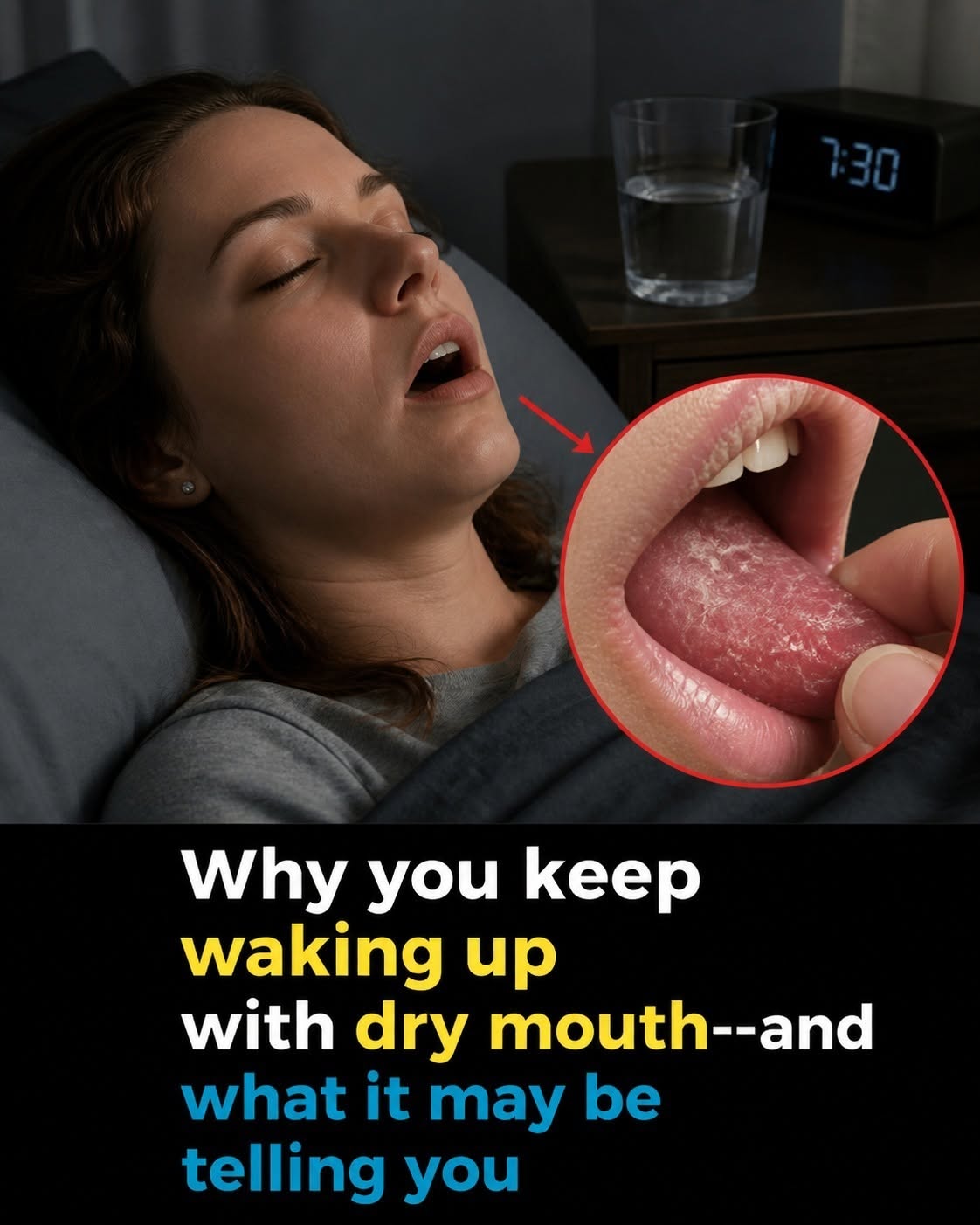
Waking up in the morning with a dry, sticky tongue, throat irritation, or a parched mouth is a common experience that can significantly disrupt sleep quality and morning comfort. Clinically known as xerostomia, dry mouth occurs when salivary glands fail to produce enough saliva to keep the oral cavity properly lubricated during rest.
While occasional morning dryness can result from simple factors like low bedroom humidity or inadequate fluid intake, chronic nocturnal dry mouth can signal underlying physiological habits, medication side effects, or sleep-disordered breathing.
This comprehensive guide details the primary biological causes of morning dry mouth, health condition risk factor comparison tables, step-by-step remedies, and practical advice on household budgeting and preventative healthcare.
Primary Causes of Morning Dry Mouth (Xerostomia)
+———————————————————————–+
| NOCTURNAL XEROSTOMIA PATHWAYS |
+———————————————————————–+
| 1. MOUTH BREATHING –> Airflow evaporates protective salivary film |
+———————————————————————–+
|
v
+———————————————————————–+
| 2. MEDICATIONS –> Antihistamines/blood pressure drugs lower flow|
+———————————————————————–+
|
v
+———————————————————————–+
| 3. SLEEP APNEA –> Airway obstruction triggers open-mouth gasping|
+———————————————————————–+
1. Chronic Mouth Breathing and Nasal Congestion
Breathing through the mouth rather than the nose during sleep is the leading trigger for morning dryness. Nasal congestion caused by seasonal allergies, a deviated septum, or enlarged turbinates forces open-mouth breathing, allowing air currents to continuously dry out oral tissues and tongue membranes throughout the night.
2. Medication Side Effects
Over 400 common medications list dry mouth as an official side effect. Prescription blood pressure drugs, antidepressants, muscle relaxants, and over-the-counter decongestants or antihistamines suppress central salivary gland signaling, reducing overnight saliva flow.
3. Obstructive Sleep Apnea (OSA)
Persistent night dry mouth paired with loud snoring, sudden choking sensations, or daytime exhaustion can indicate Obstructive Sleep Apnea. When upper airways collapse during sleep, natural physiological gasping forces open-mouth breathing, evaporating protective oral fluids.
Dry Mouth Factor Comparison Table
+——————–+———————–+———————–+
| Primary Trigger | Physiological Cause | Target Strategy |
+——————–+———————–+———————–+
| Mouth Breathing | Nasal Obstruction | Saline Spray & Strips |
| Medication Effect | Reduced Gland Flow | Hydration & Oral Gels |
| Low Air Humidity | Dry Ambient Bedroom | Cool-Mist Humidifier |
| Sleep Apnea (OSA) | Airway Collapse | Clinical CPAP Therapy |
+——————–+———————–+———————–+
Step-by-Step Instructions: How to Prevent and Treat Morning Dry Mouth
Follow these practical steps to maintain healthy oral moisture and improve sleep comfort:
+———————————————————————–+
| DRY MOUTH PREVENTION GUIDE |
+———————————————————————–+
| Step 1: Run a cool-mist humidifier in the bedroom overnight. |
| Step 2: Clear nasal passages before bed using saline sprays or strips. |
| Step 3: Drink adequate water throughout the evening hours. |
| Step 4: Use xylitol-based oral rinses or hydrating gels before sleep.|
| Step 5: Schedule a medical evaluation if dry mouth persists daily. |
+———————————————————————–+
Optimize Bedroom Humidity: Set up a cool-mist humidifier in your sleeping area to maintain ambient indoor humidity levels between 40% and 50%, preventing dry air from parching throat membranes.
Promote Nasal Breathing: Use nasal strips or saline spray prior to sleep to open nasal passages, reducing reliance on open-mouth breathing.
Stay Hydrated Throughout the Evening: Sip water consistently during the afternoon and evening hours. Keep a fresh glass of water on your nightstand for immediate relief if you wake up parched.
Utilize Hydrating Oral Products: Apply an over-the-counter alcohol-free oral moisturizing gel or use a xylitol-based mouth rinse before bed to stimulate natural salivary flow and protect enamel.
Review Medications with a Doctor: If dryness started after beginning a new prescription, consult your primary physician or dentist to adjust dosages or discuss alternative treatments.
Home Management, Household Budgeting, and Financial Health
Prioritizing sleep health and oral moisture directly supports long-term preventive care and household financial health.
Smart Home Budgeting & Preventive Dental Savings
Saliva contains essential enzymes and minerals that naturally protect teeth against decay, neutralize acids, and clean food particles. Chronic unmanaged dry mouth significantly elevates risks for severe enamel erosion, cavities, and gum disease, leading to expensive dental procedures. Investing in low-cost preventative solutions—such as humidifiers, hydration habits, and xylitol rinses—prevents costly restorative dental bills down the road. Managing your healthcare budget intentionally enables families to preserve capital to build emergency savings accounts, pay off high-interest credit card debt, or allocate funds toward long-term financial investments.
Sleep Quality, Preventive Health, and Health Insurance Security
Addressing persistent dry mouth helps uncover underlying conditions like sleep apnea or chronic sinusitis early. Utilizing private health insurance or Medicare coverage for sleep evaluations, nasal treatments, and bi-annual dental checkups safeguards both your family’s physical well-being and long-term financial security.
Frequently Asked Questions (FAQ)
Is waking up with a dry mouth dangerous for my teeth?
Yes, if left unmanaged over time. Saliva acts as a natural protective shield against tooth decay. Chronic dry mouth increases the risk of rapid cavity formation, bad breath (halitosis), and oral fungal infections like thrush.
Can chewing gum help with dry mouth?
Chewing sugar-free gum containing xylitol during the day stimulates salivary glands, boosting natural moisture flow. However, avoid sugary gums, which feed cavity-causing bacteria.
Conclusion
Waking up with a dry mouth is a common issue that can usually be resolved with proper hydration, bedroom humidification, and promoting nasal breathing. Prioritize your sleep environment and oral care routine today for restful nights and refreshing mornings!
