
Then vs. Now: How Shopping and Wish Lists Evolved from Paper Catalogs to Smartphones
Holiday traditions and everyday shopping habits have undergone a massive digital transformation over the last few decades. Before the rise of e-commerce, receiving a thick paper catalog in the mail—such as the iconic Sears Wish Book or store circulars—was an exciting annual event. Children and adults alike would sit down with a pen, circling their favorite items and folding down pages to build their holiday wish lists.
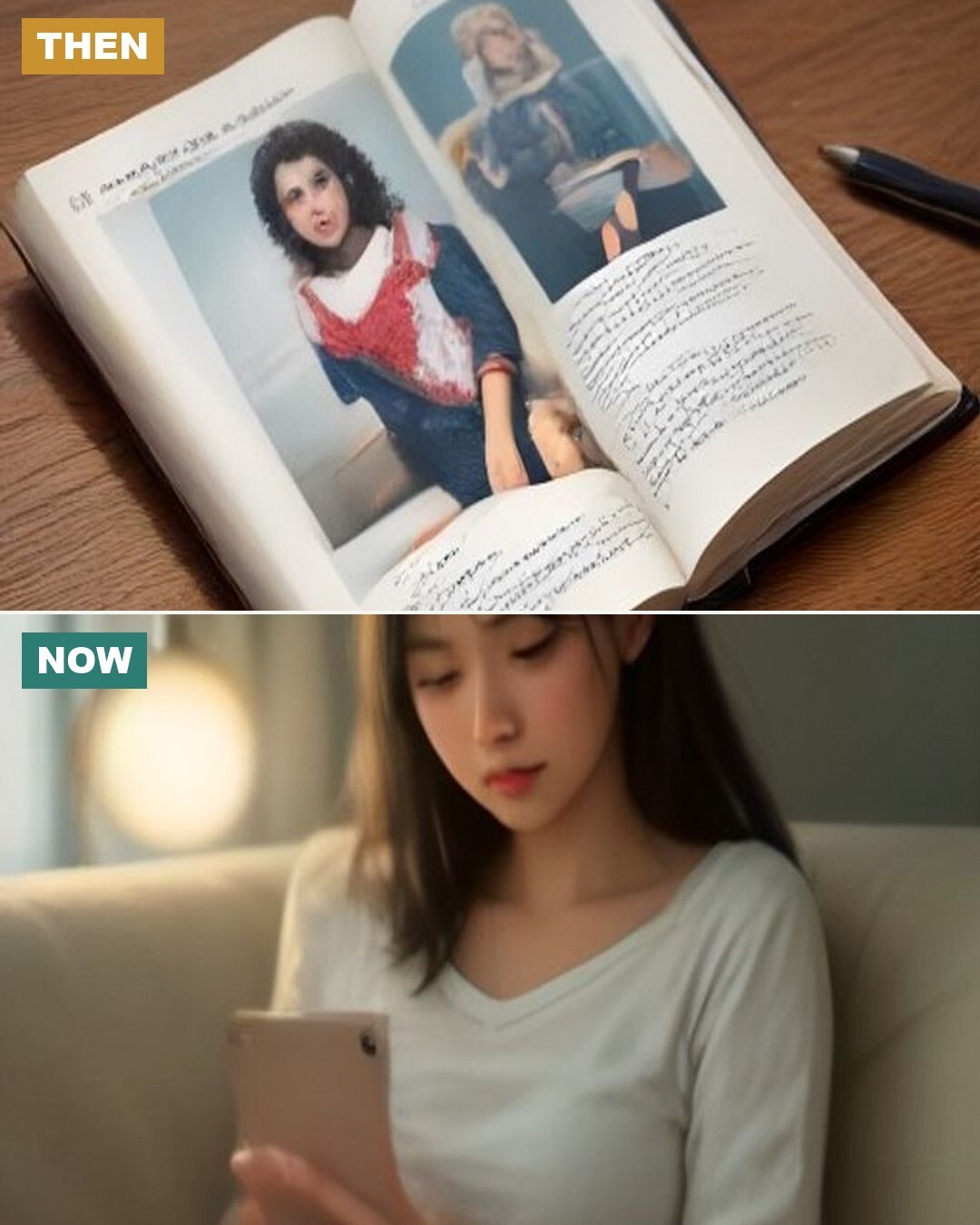
A split “Then vs. Now” image circulating online captures this contrast: the top panel labeled “THEN” shows an open printed catalog with hand-marked notes, while the bottom panel labeled “NOW” shows a young woman quietly looking down at her smartphone screen.
Visual Breakdown: The Technological Shift
The side-by-side comparison highlights the stark difference in media, interaction, and atmosphere across generations.
+-----------------------------------------------------------------------+
|                    SHOPPING EVOLUTION COMPARISON                      |
|                                                                       |
|   [ THEN ]  ---> Open printed book/catalog, physical pen, desk setup  |
|                                         |                             |
|                                         v                             |
|   [ NOW ]   ---> Handheld smartphone screen, digital browsing, couch  |
+-----------------------------------------------------------------------+
Key Visual Components
- THEN (Top Image): A physical, open catalog or book lying flat on a wooden table alongside a pen, showcasing printed photographs, product listings, and handwritten marginal notes.
- NOW (Bottom Image): A young woman sitting comfortably indoors, looking down at her smartphone as light reflects off her screen in a modern, streamlined environment.
The Cultural Impact of the Digital Shift
- Tactile Memory vs. Immediate Access: Physical catalogs offered a tactile, shared family ritual where people could flip pages together and visually track wish lists. Today, smartphone browsing offers instant gratification, dynamic search, and endless product varieties at one’s fingertips.
- Interactive Engagement: Circling items with a pen required intentional focus and created lasting physical keepsakes. Digital shopping carts and online wish lists prioritize convenience, price tracking, and one-click purchasing.
- Targeting and Personalization: Print media broadcasted identical catalog pages to millions of households, whereas modern digital apps use personalized algorithms to display tailored recommendations to every user.
Comparison Summary Table
| Feature | Then (Print Catalogs) | Now (Digital Smartphones) |
| Medium | Paper catalogs, physical books, magazines | Smartphones, tablets, e-commerce apps |
| User Action | Page flipping, circling items with a pen | Scrolling, swiping, tapping “Add to Cart” |
| Experience | Tactile, shared, nostalgic, periodic | Instant, personalized, available 24/7 |
| Pace | Slow and deliberate | Fast and continuous |
Frequently Asked Questions (FAQ)
1. What was the “Wish Book”?
The Wish Book was a famous holiday catalog published by retailers like Sears, packed with hundreds of pages of toys, clothing, and home goods that defined holiday shopping culture for decades.
2. Do retailers still send printed catalogs today?
While digital shopping dominates, some major brands still mail out seasonal print catalogs to evoke nostalgia and inspire browsing beyond digital screens.
Conclusion
Whether leafing through a cherished paper catalog or tapping on a smartphone screen, the core excitement of discovering new ideas and preparing for special occasions remains unchanged.
