
See more
Subscribe to the Science Magazine
Studying Geology
Order a Station
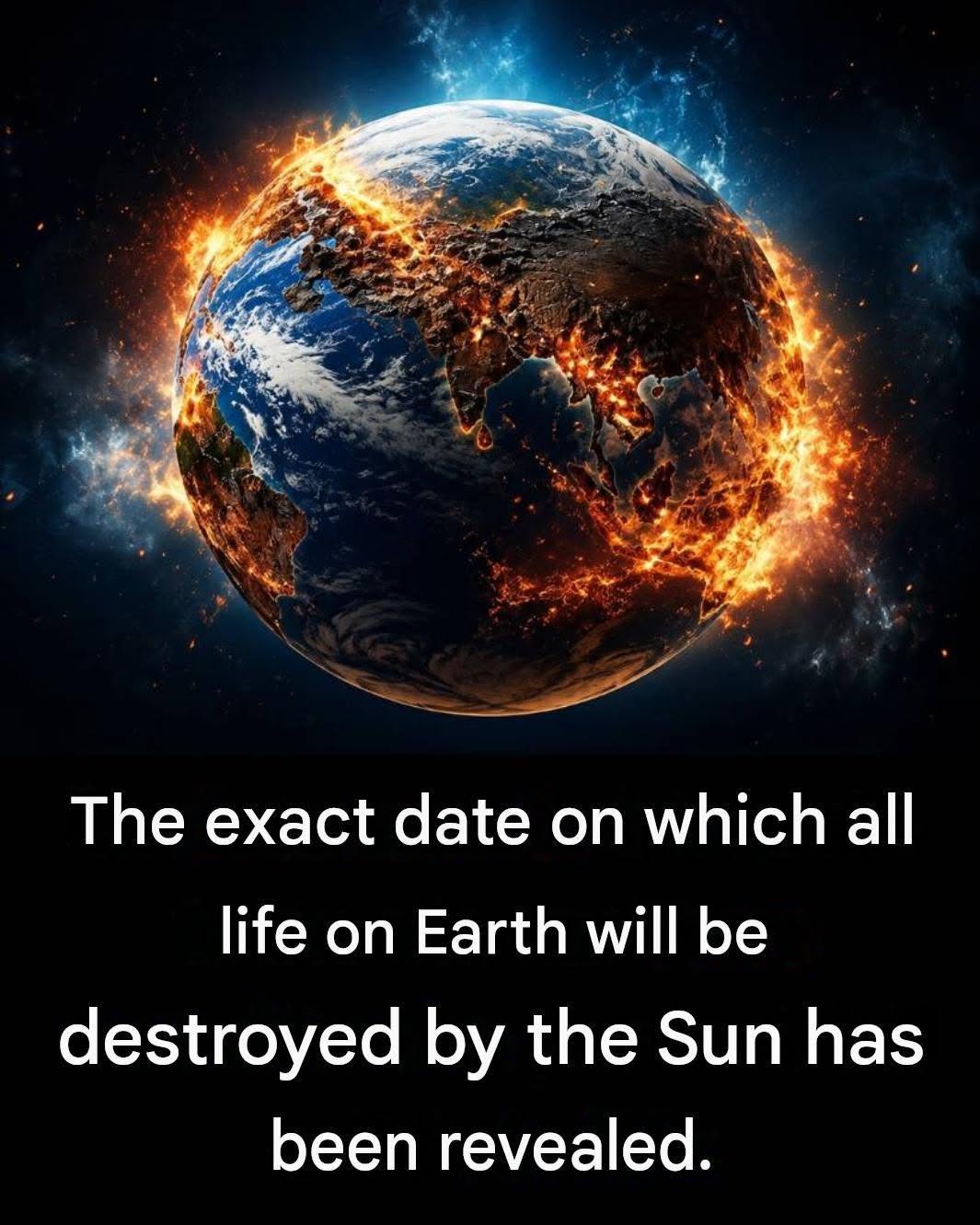
Researchers from Toho University in Japan, in collaboration with NASA, have deployed powerful tools: supercomputers, highly advanced mathematical models, and no fewer than 400,000 simulations. The result? In about a billion years, life as we know it is expected to gradually disappear from the face of the Earth.
The reason? The Sun, our beloved star, is gradually becoming brighter and hotter. This increasing heat will destabilize Earth’s climate, progressively reducing oxygen levels in the atmosphere and making the planet inhospitable to most living things. The only survivors would then be anaerobic bacteria, microorganisms capable of living without oxygen. Fascinating, isn’t it?
Order Equipment
The study, published in the scientific journal *Nature Geoscience*, specifies that Earth’s oxygen-rich atmosphere could persist for another 1.08 billion years. A staggering timeframe… but one that puts many everyday anxieties
In five billion years, the Sun will change shape
While the first scenario is already impressive, the second is downright spectacular. In about five billion years, our Sun will enter its so-called “red giant” phase. In practical terms? It will swell colossally, to the point of engulfing the nearest planets: Mercury, Venus, and potentially Earth itself.
