
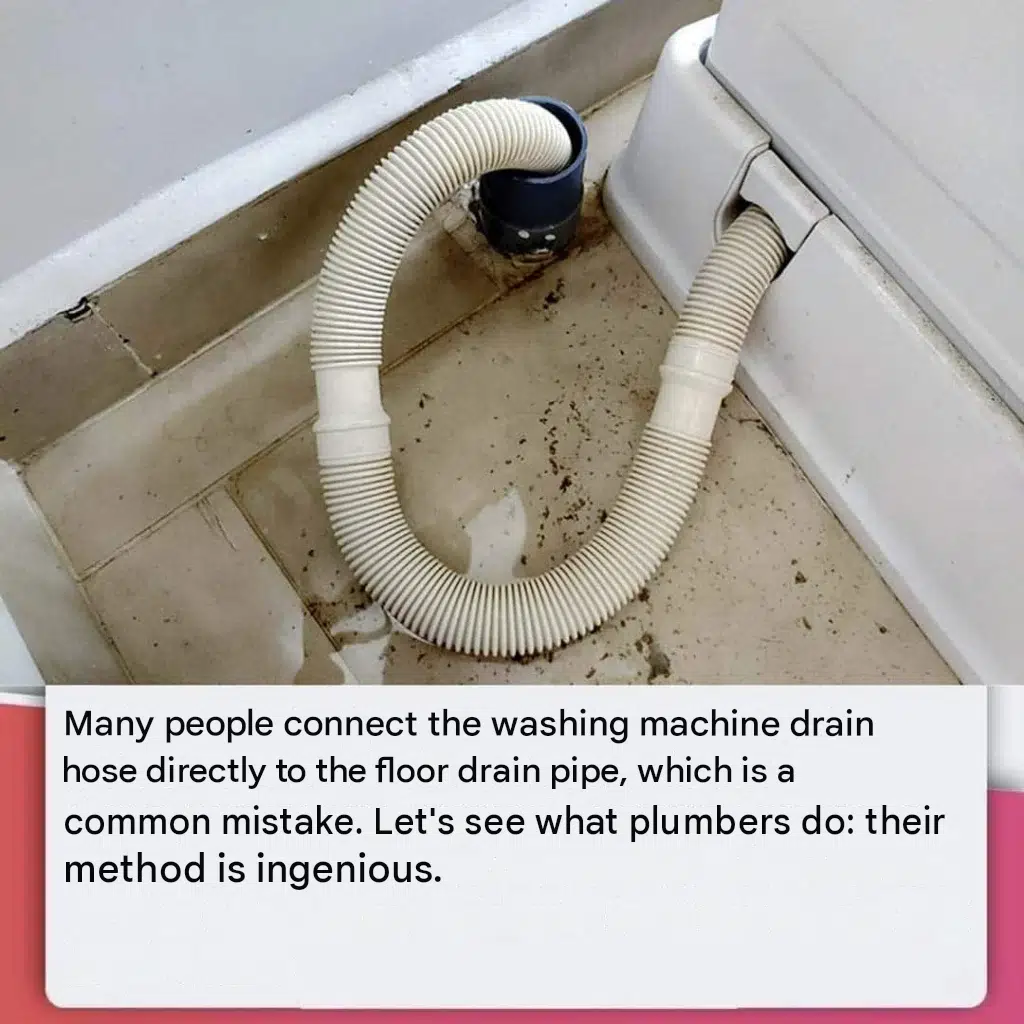
Installing household appliances correctly is essential for maintaining a safe, efficient, and well-functioning home. Among major household appliances, the washing machine requires careful attention during installation—particularly concerning water supply connections and wastewater drainage. Many homeowners encounter plumbing issues, slow drainage, or unpleasant utility room odors simply because a drain hose was hooked up incorrectly.
Plumbers and sanitation experts frequently encounter common installation mistakes, such as inserting a washing machine drain hose directly into a floor drain pipe without proper air gaps or secure routing. Understanding professional plumbing methods helps prevent water backups, protects flooring from water damage, and ensures long-term appliance efficiency.
This comprehensive guide explores proper washing machine drainage techniques, common plumbing errors, water damage prevention, home maintenance strategies, and financial or insurance safeguards.
The Mechanics of Proper Washing Machine Drainage
To understand why professional plumbers recommend specific installation methods, it helps to examine how washing machine drainage systems operate. During a spin or drain cycle, a washing machine pumps a large volume of water out of the drum rapidly.
If the drainage path is restricted, improperly sealed, or incorrectly routed, several problems can occur:
Siphoning and Backflow: If a drain hose is pushed too far down into a straight pipe without an air gap, wastewater can be siphoned back into the machine, or dirty water can overflow onto the floor.
Odors and Sewer Gases: Direct, unsealed connections to floor drains can allow foul sewer gases to enter the utility room or kitchen.
Pump Strain: Hoses that are kinked, crushed, or elevated too high place excessive strain on the washing machine’s internal drainage pump, shortening its operating lifespan.
Common Plumbing Mistakes and How to Avoid Them
Home DIY projects can save money, but improper appliance installation often leads to costly repairs down the road.
1. Direct Insertion Into Floor Drains
As highlighted in plumbing evaluations, inserting a flexible drain hose directly and tightly into a floor drain pipe is a frequent mistake. Without a proper standpipe, trap, and air gap, wastewater can splash out during high-pressure pump cycles, leading to water accumulation, floor damage, and mold growth.
2. Improper Hose Height and Routing
Washing machine manufacturers specify precise height requirements for drain hoses—typically between 60 and 90 centimeters above the floor. If the hose is placed too low, gravity can cause water to drain prematurely during the wash cycle; if placed too high, the internal pump may overheat trying to push water upward.
[ Washing Machine Drain Cycle ]
│
▼
[ Correct Drainage Path ]
│
┌───────────────────┼───────────────────┐
▼ ▼ ▼
[Standpipe] [Air Gap / Trap] [Proper Height]
│ │ │
└───────────────────┼───────────────────┘
▼
[ Efficient Wastewater Removal / No Backflow ]
Professional Plumbing Methods: The Ingenious Approach
Professional plumbers utilize specific standards to ensure reliable, clean, and code-compliant appliance connections.
Utilizing a Proper Standpipe and P-Trap
A professional installation relies on a vertical standpipe connected to a P-trap:
The P-Trap: Holds a small amount of water to block sewer gases from escaping into the room.
The Standpipe: Provides an open vertical channel where the drain hose can hook securely over the rim using a curved plastic guide, maintaining a necessary air gap to prevent siphoning.
+——————————————————————-+
| Washing Machine Installation Standards |
+————————-+—————————————–+
| Component | Professional Requirement |
+————————-+—————————————–+
| Standpipe Height | Between 60cm and 90cm above the floor |
| Air Gap | Prevents wastewater siphoning |
| P-Trap | Blocks foul sewer gases from escaping |
| Secure Hook | Prevents hose displacement during spin |
+————————-+—————————————–+
Home Maintenance, Insurance, and Water Damage Protection
Water damage is one of the most common and costly insurance claims for homeowners. Protecting your property involves combining proper physical installation with comprehensive insurance coverage.
Home Insurance and Water Damage Coverage
Standard homeowner insurance policies cover sudden and accidental water damage—such as a burst supply hose. However, damage caused by gradual leaks, poor installation maintenance, or neglected drainage issues may not always be covered. Reviewing your policy details ensures you understand your protection level.
Proactive Maintenance Checklist
Inspect Hoses Annually: Check water supply hoses for bulges, cracks, or mineral buildup. Replace rubber hoses with braided stainless steel lines every five years.
Clean Drainage Filters: Regularly clear the washing machine’s coin trap and pump filter to maintain optimal water flow.
Monitor Connection Areas: Periodically check the floor around the washing machine for moisture or pooling water.
Fascinating Facts About Plumbing and Appliance History
Ancient Indoor Plumbing: The earliest known sophisticated indoor plumbing systems date back over 4,500 years to the Indus Valley Civilization, featuring brick-lined drains and wastewater management.
Evolution of the Washing Machine: Early washing machines required manual hand cranks or wooden dollies; the introduction of electric motors in the early 20th century revolutionized laundry and home utility design.
The Importance of P-Traps: Invented in the mid-19th century, the simple curved P-trap is considered one of the most important public health inventions in history because it effectively blocked deadly sewer pathogens from entering homes.
Conclusion
Correctly connecting your washing machine drain hose is a vital task that protects your home from water damage, eliminates unpleasant odors, and ensures your appliance operates efficiently. By avoiding common shortcuts like direct floor drain insertion and adopting professional plumbing standards—such as proper standpipe height and secure air gaps—you can safeguard your property for years to come.
Frequently Asked Questions (FAQ)
Why is connecting a drain hose directly to a floor drain a mistake?
Inserting a drain hose tightly into a floor drain without a proper standpipe and air gap can cause wastewater to splash out during high-pressure cycles, create siphoning issues, and allow sewer gases to enter the room.
How high should a washing machine drain hose be placed?
A washing machine drain hose should typically be secured at a height between 60 and 90 centimeters (24 to 36 inches) above the floor, using a vertical standpipe and a secure curved hook.
What is the purpose of a P-trap in laundry plumbing?
A P-trap holds a small amount of standing water in its curved bend, creating a physical seal that prevents sewer gases and unpleasant odors from coming up through the drain pipe into your home.
How often should washing machine hoses be replaced?
Rubber water supply hoses should be inspected regularly and replaced every 3 to 5 years, or upgraded to burst-resistant braided stainless steel lines to prevent unexpected leaks.
Does homeowner’s insurance cover water damage from a leaking washing machine?
Policies generally cover sudden, accidental water damage caused by appliance failures. However, damages resulting from long-term neglect, poor installation, or unmaintained drainage systems are often excluded.
