
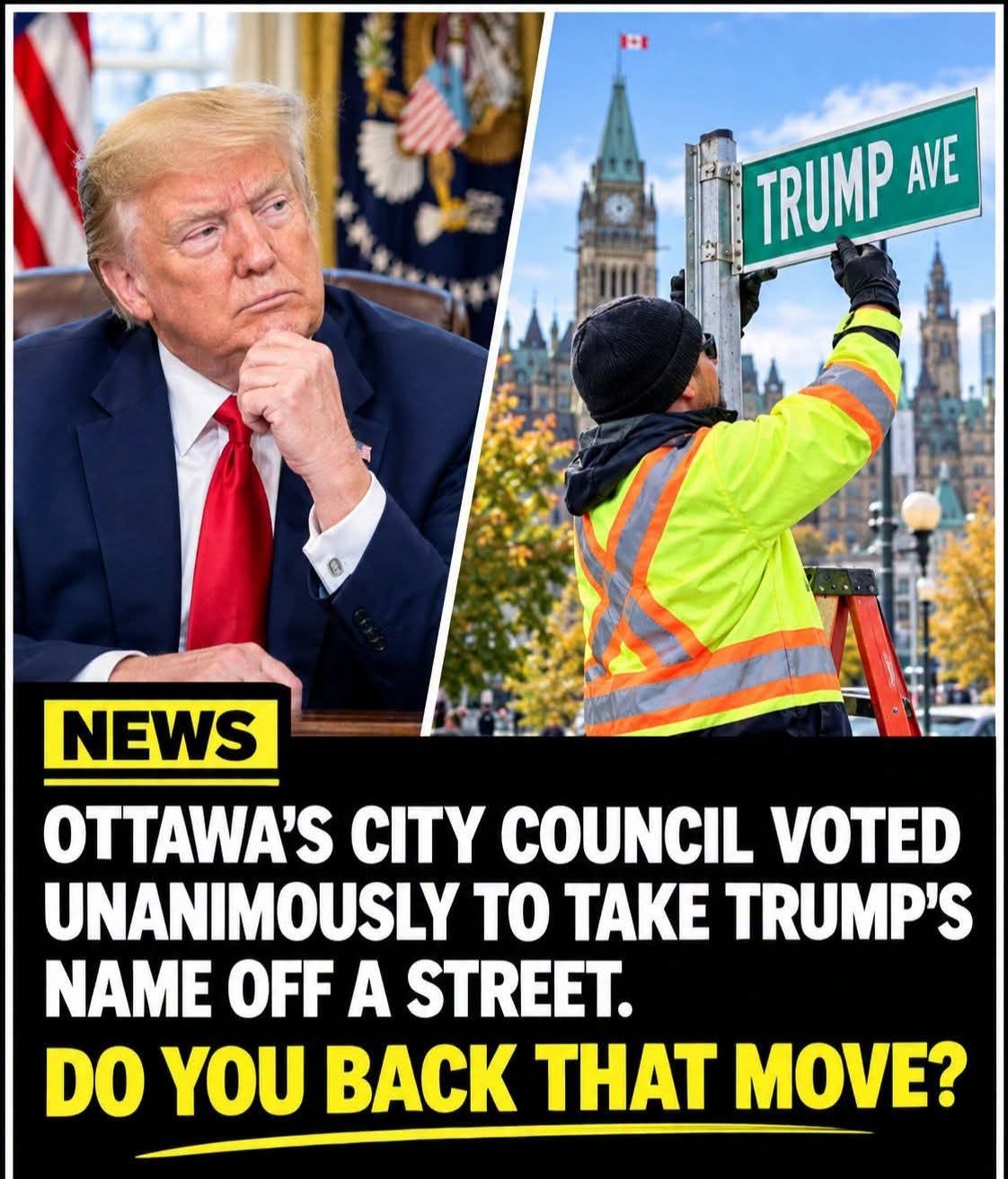
In a landmark decision that captured international attention, Ottawa’s City Council voted unanimously to rename Trump Avenue, a residential street situated in the Central Park neighborhood of Canada’s national capital. Originally designated over two decades ago as part of a New York-themed development project, the street’s name became a source of ongoing debate and political friction. While local leaders framed the decision as a response to community sentiment, the move opens up wider discussions regarding municipal governance, urban planning regulations, property administration costs, and the legal protocols for public street renaming.
Renaming a municipal roadway involves far more than simply replacing physical street signage. From administrative overhead and real estate address updating to property title adjustments and legal compliance, street renaming touches on municipal law, local infrastructure, insurance policies, and neighborhood real estate dynamics. This article examines the background behind Ottawa’s decision, the administrative mechanisms of changing street names, the economic and practical implications for local residents, and key insights for homeowners navigating municipal updates.
The Background: How Trump Avenue Got Its Name
To understand the context of the City Council’s vote, it is necessary to examine the history of Ottawa’s Central Park neighborhood. Built in the late 1990s and early 2000s, the residential development adopted a New York City thematic framework for its street naming structure.
Thematic Street Naming in Urban Development
-
New York Inspiration: Streets throughout the Central Park development were given names inspired by prominent New York landmarks and public figures, such as Madison Park, Manhattan, and Central Park.
-
Commercial Real Estate Reference: When “Trump Avenue” was assigned by private land developers, it was intended to reflect high-profile American real estate development, years before Donald Trump entered formal political life.
-
Shifting Public Perception: Over time, residents and local council representatives noted that the street’s name carried political connotations that caused discomfort among homeowners, leading to formal petitions for a municipal change.
The Legal and Administrative Process of Renaming Municipal Streets
Renaming a residential street requires strict adherence to municipal bylaws, emergency service coordination, and urban planning guidelines. City councils cannot simply change street designations without navigating structured legal procedures.
1. Public Consultation and Policy Criteria
Municipalities maintain specific policy guidelines governing when and how a street name can be changed:
-
Sponsorship and Petition Requirements: In most jurisdictions, street name changes require a formal petition signed by a majority of affected property owners or a motion brought forward by a ward councillor.
-
Public Hearing and Notice: Municipal councils host public consultations to allow residents, business owners, and local stakeholders to voice opinions, raise concerns, and suggest alternative names.
2. Coordination with Emergency Services and Public Records
Safety and operational integrity are paramount during address transitions.
-
Emergency Response Integration: City staff must coordinate with 911 dispatch, police, fire, and paramedic services to ensure navigation systems reflect the address change simultaneously, preventing delays during critical emergencies.
-
Postal and Utility Updates: Postal operators, municipal water, electric utility providers, and telecommunications companies must update geospatial mapping databases to avoid delivery interruptions.
Financial and Real Estate Implications for Homeowners
While changing a street name resolves a symbolic issue, it introduces practical and administrative tasks for homeowners residing on the affected block. From financial updating to legal documentation, property owners must update several core accounts.
Property Documentation and Legal Title Updates
Changing a legal street address impacts land title registries and home financing agreements:
-
Mortgage and Property Records: Homeowners must notify their mortgage lenders, bank financial institutions, and legal representatives to update land registry entries and home financing paperwork.
-
Property Insurance Policies: Property owners must ensure home insurance policies reflect the updated legal address to guarantee uninterrupted coverage against liabilities, property damage, or casualty losses.
-
Personal Documentation Costs: Residents must update state driver’s licenses, vehicle registrations, passports, and tax filing documents, which may incur small administrative fees or processing delays.
Impact on Neighborhood Property Values
Real estate experts often assess whether a controversial or politically charged street name affects home resale values.
-
Buyer Sentiment: Studies in residential real estate suggest that neutral, pleasant street names generally appeal to a broader pool of potential home buyers.
-
Market Friction: Removing a name that creates hesitation among home buyers can streamline property listings, potentially improving buyer interest and reducing days on market for homes listed in the neighborhood.
Practical Tips for Residents Facing a Street Name Change
If your municipality initiates a street name change in your neighborhood, taking proactive steps can minimize administrative hassle and ensure a smooth transition:
-
Create an Address Change Checklist: Compile a complete list of banking accounts, credit cards, insurance policies, medical providers, and subscription services requiring address updates.
-
Verify Land Registry Records: Confirm with your local land registry office or legal counsel that your property title deed accurately reflects the new municipal address.
-
Notify Utility Providers Promptly: Ensure internet, gas, water, and electricity service accounts receive updated billing and service location information.
-
Take Advantage of Postal Redirection: Many municipal governments coordinate temporary mail forwarding arrangements with national postal operators during official street renaming transitions.
Fascinating Facts About Street Renaming Worldwide
-
Unanimous Municipal Decision: Ottawa’s City Council passed the motion to rename Trump Avenue with unanimous support, initiating a formal working group to select a replacement name in consultation with local homeowners.
-
Global Precedents: Cities around the world frequently rename streets and public plazas following major historical, political, or social shifts, replacing outdated monikers with local historical figures or neutral terms.
-
Geospatial Mapping Updates: Digital mapping services like Google Maps and GPS navigation providers generally process official municipal street updates within a few weeks of formal registry updates.
Conclusion
Ottawa City Council’s vote to rename Trump Avenue highlights the intersection of public administration, community sentiment, and municipal governance. While street name changes reflect shifting social priorities, they also require careful attention to practical details—ranging from emergency service mapping to updating mortgage records and insurance policies. By maintaining clear public consultation and structured administrative support, municipalities can implement necessary updates while protecting the interests of local homeowners.
Frequently Asked Questions (FAQ)
Why was the street named Trump Avenue originally?
The street was named over twenty years ago during the construction of Ottawa’s Central Park neighborhood, which adopted a New York theme for many of its residential roadways.
Does a street name change affect a home’s property title or mortgage?
Yes, homeowners must notify their mortgage providers, insurance underwriters, and legal advisors to ensure all official land title documents and loan agreements accurately reflect the updated address.
Who covers the cost of changing street signs?
Municipal street sign replacement and official mapping updates are funded through the city’s public works or municipal planning department budget.
How do emergency services handle street address changes?
City governments coordinate directly with police, fire, and EMS dispatch systems to ensure emergency response mapping software updates immediately when a new street name becomes official.
