
Which Egg Yolk Comes from a Healthy Chicken? Exploring Color, Diet, and Nutritional Quality
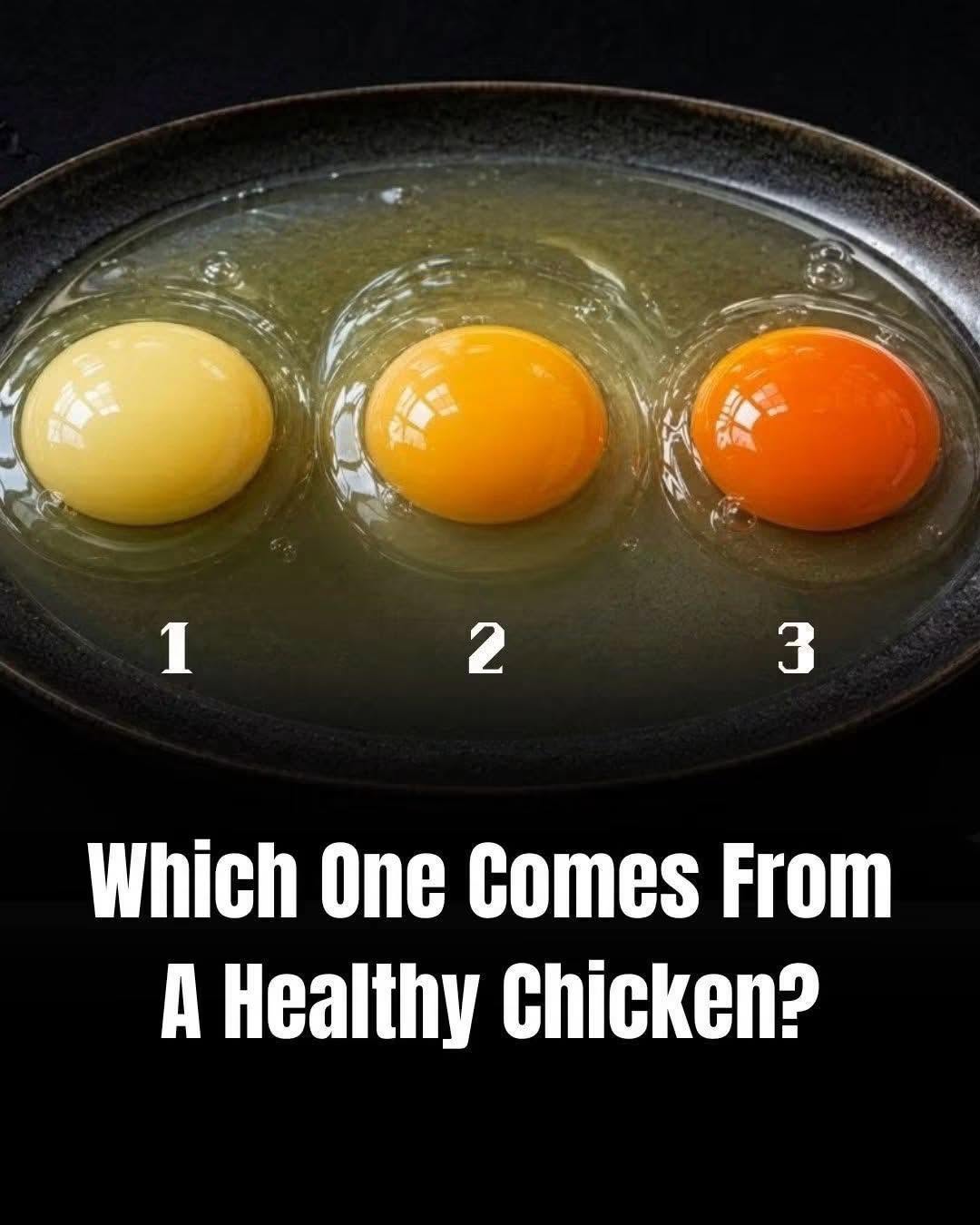
When shopping for groceries or collecting eggs from a coop, you have likely noticed that egg yolks vary significantly in color—ranging from a pale, light yellow to a deep, vibrant orange. A popular and widely shared viral image features three cracked eggs labeled 1, 2, and 3, showcasing different yolk shades, accompanied by a compelling question:
“Which One Comes From A Healthy Chicken?”
This engaging graphic resonates with millions because it touches on everyday food choices, agricultural practices, and nutritional myths. Examining what actually determines egg yolk color, the science of chicken nutrition, and how these factors apply to daily life reveals the truth behind this common question.
What Determines Egg Yolk Color?
A common misconception is that the color of an egg yolk is a direct indicator of whether a chicken is healthy or sick. In reality, yolk color is primarily determined by the diet of the hen, specifically the types of pigments she consumes.
Carotenoids and Pigments: Hens that eat feed rich in carotenoids—natural plant pigments found in grass, marigold petals, alfalfa, corn, and leafy greens—produce deeper orange or dark yellow yolks.
Grain-Based Diets: Hens raised on a diet consisting mostly of pale grains like corn, wheat, or white sorghum tend to produce lighter, pale yellow yolks (such as egg #1 in the graphic).
Pasture-Raised Diets: Hens allowed to forage freely outdoors consume insects, fresh grass, and plants rich in xanthophylls, resulting in deep orange yolks (such as egg #3).
Are Darker Yolks Healthier?
While a deep orange yolk often indicates that a hen had access to pasture, fresh greens, and a varied, natural diet, color alone is not a definitive measure of an egg’s safety or basic nutritional value.
Nutritional studies show that eggs from hens fed a balanced, high-quality diet—regardless of whether the yolk is light yellow or dark orange—contain similar amounts of core macronutrients, protein, and essential fats. However, pasture-raised eggs with darker yolks often boast higher levels of beneficial omega-3 fatty acids and vitamins due to the hen’s outdoor diet.
Protein and Minerals: The fundamental protein and mineral content remains remarkably consistent across different yolk colors.
Vitamin Enrichment: Access to sunlight and foraging can increase vitamin D and antioxidant levels in the egg.
The Importance of Overall Care: A healthy chicken is defined by proper veterinary care, clean housing, and balanced nutrition rather than the pigment of its egg alone.
Financial Wisdom, Smart Grocery Shopping, and Food Choices
The principles of understanding food quality and labeling also apply directly to your household budget and grocery shopping habits:
Evaluate Grocery Labels Wisely: Pasture-raised or organic eggs often come with a higher price tag due to farming costs; understanding what you are paying for helps you make informed budget choices.
Prioritize Whole Foods: Investing in nutrient-dense foods supports your family’s long-term health and wellness.
Support Ethical Farming: Choosing eggs from local farmers or humanely raised flocks ensures sustainable agricultural practices in your community.
Practical Tips for Selecting and Cooking Eggs Daily
If you want to make the best nutritional choices when buying and preparing eggs, try these simple, actionable habits:
Read Egg Carton Labels: Learn the differences between caged, cage-free, free-range, and pasture-raised eggs to align your purchases with your personal values.
Inspect Freshness: Check eggshells for cracks and perform a simple water float test to ensure freshness before cooking.
Store Properly: Keep eggs in their original carton in the main body of your refrigerator to maintain optimal temperature and freshness.
Experiment with Recipes: Enjoy eggs across various cooking styles—such as poaching, boiling, or scrambling—to maximize their versatile nutritional benefits.
Fascinating Facts About Chickens and Egg Production
The Origin of Yolk Pigment: Chickens cannot synthesize yellow or orange pigments on their own; they must absorb them directly from the plants and seeds they eat.
Shell Color vs. Yolk Color: Eggshell color (white, brown, or blue-green) is determined entirely by the breed and genetics of the hen, whereas yolk color is determined strictly by diet.
Global Egg Consumption: Eggs are celebrated worldwide as one of the most complete natural sources of high-quality protein, containing all nine essential amino acids.
Conclusion
The viral graphic featuring three distinct egg yolks highlights a fascinating aspect of farming and nutrition. While darker yolks often reflect a richer, pasture-raised diet, both light and dark yolks come from healthy hens as long as they receive proper care and balanced nutrition. By understanding food labeling and making informed choices, we can enjoy the best of farm-fresh nutrition.
FAQ Section
Do darker egg yolks mean the chicken is healthier?
Not necessarily. Darker yolks indicate that the hen ate a diet rich in plant pigments (carotenoids) like grass and marigolds, while lighter yolks come from hens fed grains like corn or wheat. Both can come from healthy chickens.
What is the difference between light yellow and dark orange egg yolks?
The primary difference is the hen’s diet. Free-range or pasture-raised hens eating fresh greens and bugs produce dark orange yolks, while grain-fed hens produce lighter yellow yolks.
Are pasture-raised eggs more nutritious than conventional eggs?
Studies suggest that pasture-raised eggs often contain higher levels of omega-3 fatty acids and certain vitamins because of the hen’s diverse natural diet and exposure to sunlight.
