
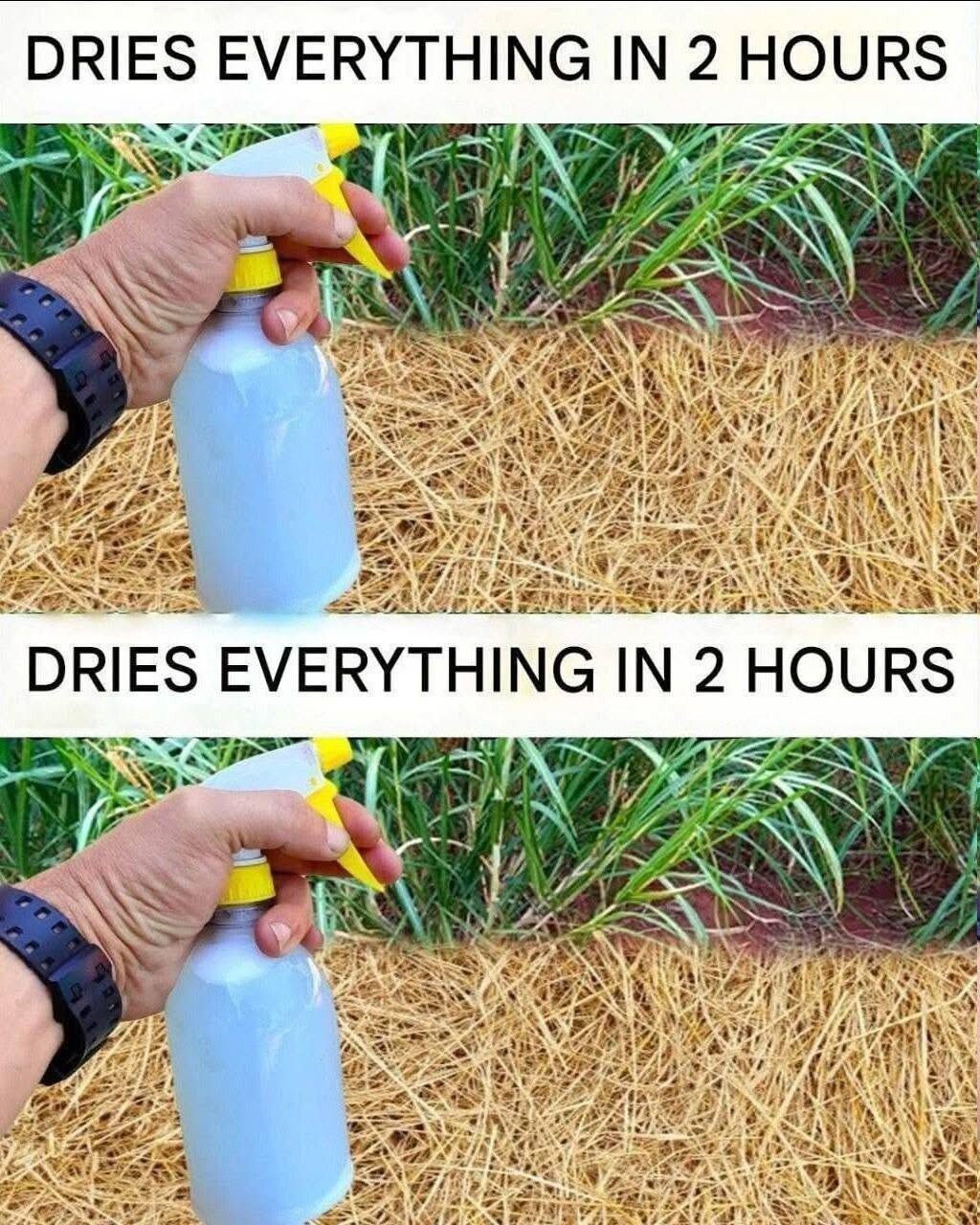
Maintaining a weed-free garden path, driveway, or patio border can feel like a constant struggle for homeowners. While chemical herbicides are widely available, many gardeners prefer natural, non-toxic alternatives made from simple household ingredients.
A popular homemade weed killer mix—combining household white vinegar, salt, and liquid dish soap—is celebrated for its ability to desiccate unwanted foliage rapidly on sunny days. In this organic gardening guide, we explore the science behind natural weed spray, how to prepare and apply it safely, and best practices for long-term weed control.
How the Homemade Vinegar & Salt Spray Works
The combination of white vinegar, salt, and dish soap creates a potent contact herbicide that targets plant foliage.
+—————————+—————————————+—————————————+
| Ingredient | Primary Mechanism | Role in Weed Removal |
+—————————+—————————————+—————————————+
| White Vinegar (Acetic Acid)| Strips protective waxy leaf coating | Causes rapid moisture loss & wilting |
| Table Salt (Sodium Chloride)| Draws moisture out of plant cells | Accelerates desiccation & soil barrier|
| Liquid Dish Soap | Surfactant (lowers surface tension) | Helps mixture stick to leaf surfaces |
+—————————+—————————————+—————————————+
1. Acetic Acid Action
Standard white distilled vinegar contains around 5% acetic acid. When sprayed on leaves in direct sunlight, the acid breaks down cell walls and strips away the protective waxy coating, causing the plant to dry out and wither quickly.
2. Desiccation via Salt
Salt works through osmosis by drawing water directly out of plant tissues, accelerating the drying process. When applied near unwanted weeds in gravel or paver cracks, salt also hinders immediate regrowth.
3. Dish Soap Surfactant
Vinegar and water tend to bead up and slide off slick plant leaves. A few drops of dish soap reduce surface tension, ensuring the spray clings to the foliage for maximum absorption.
Easy DIY Homemade Weed Killer Recipe
Preparing this natural spray requires only a few minutes and basic kitchen staples.
+———————————–+————————————————————————+
| Recipe Component | Quantity / Proportion |
+———————————–+————————————————————————+
| White Distilled Vinegar | 1 Gallon (5% acidity or higher) |
| Table Salt or Epsom Salt | 1 Cup |
| Liquid Dish Soap | 1 Tablespoon |
+———————————–+————————————————————————+
Mixing Instructions
Pour 1 gallon of white vinegar into a clean bucket or pump sprayer.
Add 1 cup of table salt and stir thoroughly until completely dissolved.
Stir in 1 tablespoon of liquid dish soap gently to avoid excessive suds.
Pour the solution into a handheld spray bottle or pressure garden sprayer.
Best Practices and Safety Guidelines
Because this DIY solution is a broad-spectrum non-selective contact herbicide, it will harm or kill any green plant it touches.
Application Tips for Best Results
Apply on Warm, Sunny Days: Direct heat and sunlight accelerate the chemical reaction, causing foliage to brown and dry out rapidly within hours.
Target Driveways, Gravel, and Patios: Use this solution primarily on paver joints, sidewalk cracks, and gravel walkways where long-term soil sterilization is beneficial.
Avoid Lawn & Garden Beds: Avoid spraying near prized garden plants, flower beds, or turfgrass, as the salt content can linger in the soil and prevent future seed germination.
Lawn Care, Property Maintenance, and Financial Wisdom
Maintaining home exteriors through low-cost DIY solutions is an effective way to protect property values while keeping household maintenance budgets lean. Simple organic pest and weed management reduces reliance on expensive commercial treatments while keeping outdoor spaces neat and presentable.
+——————————-+———————————–+———————————–+
| Property Maintenance Path | DIY Natural Spray Solutions | Frequent Commercial Chemical Care |
+——————————-+———————————–+———————————–+
| Annual Cost | Minimal (Inexpensive household staples)| Higher recurring operational cost|
| Environmental Footprint | Biodegradable & non-toxic ingredients| Higher chemical buildup risk |
| Financial Savings Potential | High savings redirected to equity | Continuous service expenses |
+——————————-+———————————–+———————————–+
By adopting cost-effective home management strategies, homeowners free up capital that can be redirected into home equity payoff, emergency savings funds, or long-term retirement accounts, laying a strong foundation for financial growth.
Conclusion
A simple homemade mixture of white vinegar, salt, and dish soap offers a fast, accessible, and budget-friendly way to eliminate unwanted weeds along walkways and patio borders.
By applying the spray on bright sunny days and keeping it away from desirable garden beds, you can maintain clean, weed-free outdoor living spaces safely and affordably.
Frequently Asked Questions (FAQ)
How fast does vinegar weed killer work?
On hot, sunny days, leaves typically begin wilting and browning within 2 to 4 hours, reaching full desiccation within 24 hours.
Does this homemade spray kill weed roots?
Vinegar and salt mixtures act primarily as contact herbicides on surface leaves. While young weeds die completely, deep-rooted perennial weeds (like dandelions) may require repeat applications to weaken root energy.
Will vinegar and salt ruin my soil permanently?
Using salt in high amounts can increase soil salinity and prevent plants from growing in that spot for several months or years. Keep salt applications limited strictly to areas where you want zero plant growth, such as driveways or brick walkways.
