
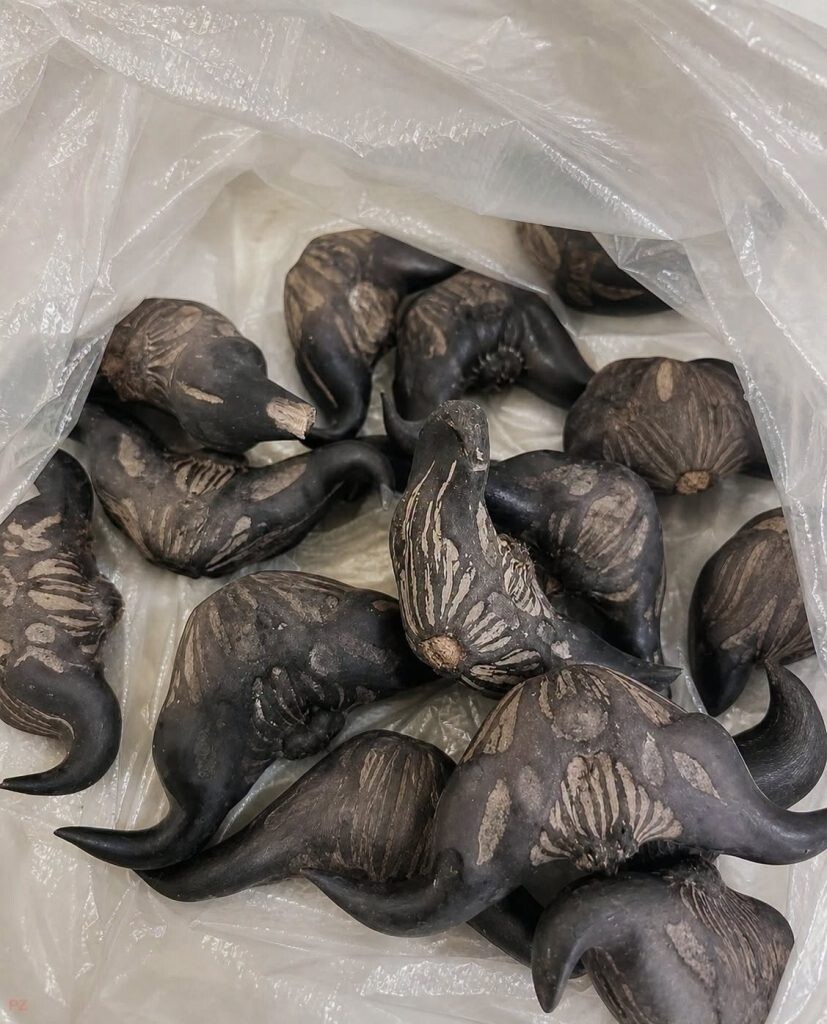
Receiving a bag of unusual, dark, horned pods from a neighbor or finding them at an Asian specialty market often leaves people puzzled. Featuring a distinct shape that resembles a bat, a bull’s head, or even a devil’s mask, these dark brown-to-black seed pods are widely known as water caltrops (Trapa natans or Trapa bicornis). They also go by nicknames such as bat nuts, devil pods, buffalo nuts, or water chestnuts (though they differ from common Chinese water chestnuts).
Native to warm temperate and tropical regions of Asia, Europe, and Africa, water caltrops have been cultivated for thousands of years. Beneath their hard, woody, horned shell lies a starchy white nut with a taste and texture similar to roasted chestnuts, sweet potatoes, or yams.
What Are Water Caltrops?
Water caltrops grow as aquatic plants in slow-moving or still fresh water, such as ponds, lakes, and marshes. The plant floats on the water’s surface with rosettes of feathery submerged leaves, anchoring itself with delicate root structures.
+-----------------------------------------------------------------------+
|                    WATER CALTROP PLANT STRUCTURE                      |
|                                                                       |
|  [ Floating Rosette Leaves ] <--- Surface Sunlight & Photosynthesis   |
|               |                                                       |
|               v                                                       |
|  [ Submerged Stem & Flowers ] ---> Develops Submerged Seed Pods       |
|               |                                                       |
|               v                                                       |
|  [ Horned Black Pod (Fruit) ] ---> Drops to Sediment / Harvested      |
+-----------------------------------------------------------------------+
Key Physical Characteristics
- Hard Shell: A thick, woody, dark outer husk with two prominent curved horns (or four, depending on the species).
- Edible Kernel: A solid, white, starchy interior seed rich in carbohydrates, protein, and minerals.
- Cultural Significance: In Asian cultures, particularly during the Mid-Autumn Festival, bat-shaped nuts are considered symbols of good fortune and prosperity because the word for “bat” (fú) sounds like the word for “blessing” or “luck.”
How to Cook and Eat Water Caltrops
Important Safety Rule: Water caltrops should never be consumed raw. Raw aquatic plants can carry parasites, including the giant intestinal fluke (Fasciolopsis buski). Boiling or steaming heat thoroughly neutralizes any potential risk.
1. Boiling (The Standard Method)
- Scrub the hard shells under cold water to remove any sediment.
- Place the pods in a large pot and cover with salted water.
- Bring to a boil and cook for 20 to 30 minutes until the outer shell softens slightly and the interior becomes tender.
- Drain and let cool enough to handle safely.
2. Cracking and Shelling
The outer shell is thick and tough. To access the white nut inside:
- Use a heavy chef’s knife or nutcracker to split the pod lengthwise across the center.
- Pry open the two halves and scoop out the white, starchy kernel.
- Enjoy warm with a sprinkle of salt, or add the cooked kernels into stir-fries, soups, and rice dishes.
Nutritive Profile and Culinary Comparisons
| Characteristic | Water Caltrop (Bat Nut) | Chinese Water Chestnut (Eleocharis) |
| Plant Type | Floating aquatic annual fruit | Submerged sedge tuber / corm |
| Texture | Starchy, floury (like boiled chestnut) | Crunchy, crisp (retains crunch when cooked) |
| Flavor | Mildly sweet, nutty, earthy | Sweet, juicy, refreshing |
| Preparation | Must be thoroughly boiled or roasted | Can be eaten raw (if peeled) or cooked |
Frequently Asked Questions (FAQ)
1. Are these pods poisonous?
The interior kernel is edible and nutritious once cooked. However, raw pods can carry waterborne parasites, so they must always be thoroughly boiled or roasted before eating.
2. What do water caltrops taste like?
Cooked water caltrops have a mild, starchy flavor with a hint of sweetness, similar to boiled chestnuts, roasted yams, or steamed potatoes.
3. Why are they called bat nuts?
The two sharp, curved horns extending from the central body give the dried pod a visual shape resembling a flying bat.
Conclusion
Those mysterious black horned pods from your neighbor are a delicious, traditional delicacy enjoyed around the world. With proper boiling and shelling, water caltrops offer a unique starchy snack rich in history and flavor.
