
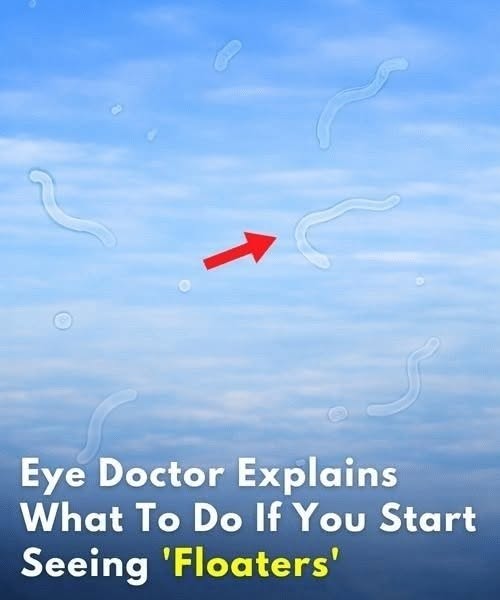
Have you ever looked at a bright blue sky or a white computer screen and noticed tiny spots, squiggly threads, or cobweb-like shapes drifting across your vision? These visual phenomena are called eye floaters.
Floaters are extremely common and usually harmless, occurring as the gel-like substance inside your eye changes over time. However, a sudden increase in floaters can sometimes signal an underlying retinal condition that requires prompt attention.
Below is an overview of what causes eye floaters, when they are normal, and when you should consult an eye specialist.
Eye Floaters Overview & Health Matrix
+-------------------------------------------------------------------+
|                     EYE FLOATERS QUICK GUIDE                      |
|                                                                   |
|  [ WHAT THEY ARE ] • Microscopic collagen clumps casting shadows   |
|                      on the retina                                |
|  [ PRIMARY CAUSE ] • Age-related changes in the vitreous gel      |
|  [ COMMON SIGNS ]  • Spots, threads, or cobwebs moving with eyes |
|  [ RED FLAGS ]     • Sudden onset, flashes of light, side shadow  |
+-------------------------------------------------------------------+
Key Highlights of Eye Floaters:
-
How They Form: The interior of the eye is filled with a clear, gel-like substance called the vitreous body. As we age, the vitreous slowly shrinks and liquefies, forming tiny microscopic clumps of collagen that cast shadows on the retina.
-
Movement Pattern: Floaters seem to drift when you move your eyes and dart away when you try to look at them directly.
-
Common Age Group: Most people begin noticing floaters between the ages of 50 and 70, though nearsighted individuals or people who have undergone cataract surgery may notice them earlier.
-
Natural Adaptation: Over time, the brain often learns to ignore stable floaters, making them far less noticeable.
When Eye Floaters Need Medical Attention
While occasional floaters are normal, certain symptoms indicate a potential retinal tear or retinal detachment that requires emergency evaluation by an optometrist or ophthalmologist:
1. Sudden Onset of Numerous New Floaters
A sudden, dramatic increase in the number of floaters appearing in your vision is a primary warning sign.
2. Flashes of Light
Seeing bright flashes or sparks of light in your peripheral vision, especially in dark environments, suggests the vitreous gel is pulling away from the retina.
3. A Dark Shadow or Curtain in Vision
If a dark shade or curtain-like shadow appears from the side, top, or bottom of your field of vision, seek immediate emergency eye care.
Conclusion
Eye floaters are a natural part of eye aging for most people, but staying aware of changes in your vision ensures long-term eye health. Regular comprehensive eye examinations remain the best way to protect your vision.
Frequently Asked Questions (FAQ)
Can eye floaters be cured or removed naturally?
There are no proven eye drops or natural supplements that dissolve floaters. Most eye care professionals recommend monitoring them unless they significantly impair vision.
Why are floaters more noticeable on bright white screens?
Bright light constricts your pupils and creates high contrast against the eye’s background, making the shadows cast by floaters much sharper and more visible.
