
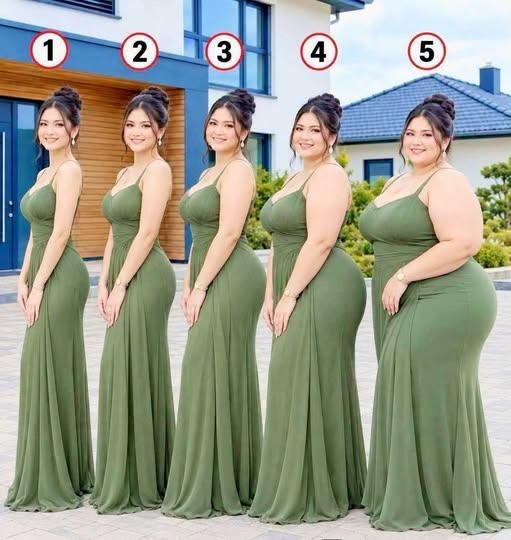
Fashion has undergone a monumental shift in recent years. Moving away from rigid, one-size-fits-all beauty standards, the modern apparel industry increasingly celebrates body diversity, inclusivity, and personal expression. From formal evening gowns and bridesmaid dresses to casual athletic wear, women of all body shapes and sizes deserve clothing designed to flatter their natural silhouette, enhance comfort, and boost self-confidence.
Understanding how to choose formalwear that highlights your best features—regardless of whether you prefer a slender, athletic, curvy, or plus-size fit—can make shopping for major events an enjoyable, empowering experience. This comprehensive guide explores the principles of body positivity, garment construction, fabric selection, health and wellness management, and the economic landscape of inclusive fashion.
The Evolution of Body Positivity and Inclusivity in Fashion
For decades, the fashion industry adhered to narrow aesthetic proportions that overlooked millions of consumers worldwide. Today, the movement toward size inclusivity has transformed how designers approach pattern-making and garment tailoring.
The Impact of Inclusive Sizing
Size inclusivity is not simply about enlarging smaller patterns; it involves re-engineering garments to accommodate differing proportions, bust support, waistlines, and hips. Modern designers recognize that women from size 2 to size 24 require unique structural support to look and feel their best. This shift has democratized style, ensuring that elegant designs are accessible to everyone.
Psychological Benefits of Wardrobe Confidence
What we wear directly influences our mood, self-perception, and social interactions—a psychological phenomenon known as “enclothed cognition.” Wearing clothing that fits comfortably without pinching, pulling, or gaping fosters authentic self-confidence, allowing individuals to focus on enjoying life’s memorable moments.
How to Choose the Perfect Formal Dress for Your Silhouette
Finding an exceptional dress for weddings, formal galas, or special celebrations requires paying attention to key design elements, fabric choices, and structural details.
Understanding Key Dress Cuts and Styles
A-Line and Empire Waist: Ideal for all body types, A-line silhouettes flow gently from the waist or just below the bust, creating a balanced, elongating effect.
Mermaid and Trumpet Fits: Perfect for accentuating natural curves, these designs hug the bust, waist, and hips before flaring out near the knees.
Wrap and Ruched Designs: Strategic ruching along the waistline creates soft gathering that offers flexibility, coverage, and flattering lines across various sizes.
Fabric Selection and Support
Stretch Crepe and Jersey: These adaptable fabrics offer gentle structure and flexibility, accommodating natural body contours smoothly.
Chiffon and Georgette: Lightweight and airy, chiffon drapes beautifully over underskirts, providing an elegant, flowing aesthetic.
Built-in Architecture: High-quality formalwear incorporates interior boning, padded cups, and adjustable straps to provide crucial support without sacrificing comfort.
Financial, Retail, and Business Insights in Inclusive Fashion
The demand for size-inclusive apparel has reshaped the retail landscape, creating substantial economic opportunities for fashion brands, boutique owners, and digital platforms.
The Business Case for Inclusivity
Retailing plus-size and inclusive apparel represents a multi-billion-dollar market worldwide. Brands that expand their size offerings tap into a loyal customer base, driving higher retention rates and increased average order values. Digital publishers, influencers, and fashion entrepreneurs who showcase diverse models consistently achieve stronger audience engagement metrics across social media platforms.
Strategic Shopping and Consumer Finance
Investing in high-quality formalwear can be a significant financial decision. Savvy consumers utilize smart budgeting practices, such as shopping off-season sales, exploring rental platforms, or securing short-term consumer financing for special occasions. Understanding credit management and budgeting helps households balance style aspirations with long-term financial health.
Health, Wellness, and Long-Term Self-Care
True confidence originates from within. While stylish clothing enhances outward appearance, prioritizing physical health, mental well-being, and functional strength ensures lifelong vitality.
Focus on Metabolic Health: Rather than chasing specific scale numbers or proportions, prioritize cardiovascular health, stable blood sugar levels, and balanced nutrition.
Strength Training and Mobility: Engaging in regular resistance exercises builds lean muscle mass, supports bone density, and improves posture.
Mental Health and Self-Compassion: Cultivate positive self-talk and practice gratitude for your body’s functional strength and resilience.
Fascinating Facts About Formalwear and Fashion History
The Origin of Green Gowns: In the 19th century, vibrant green dye (Scheele’s Green) was created using copper arsenite, making green dresses extremely famous yet notoriously toxic before safer chemical dyes were invented.
Pattern Grading Techniques: Traditional pattern grading involved scaling dimensions uniformly, whereas modern digital pattern design uses 3D body scanning to map real human proportions accurately.
The Global Formalwear Industry: The global market for bridal and formal evening dresses is projected to exceed $40 billion annually, driven by evolving global fashion trends and size-inclusive collections.
Conclusion
Fashion is an art form meant to celebrate individuality, beauty, and confidence at every stage of life. Whether you feel most radiant in a sleek, structured silhouette or a soft, flowing gown, true elegance comes from wearing clothing that makes you feel comfortable in your own skin. By embracing body positivity, supporting inclusive brands, and prioritizing holistic personal health, every woman can shine brightly at her next major event.
Frequently Asked Questions (FAQ)
1. How can I ensure a formal dress fits perfectly across different body areas?
The most effective approach is to purchase a dress that fits your largest measurement comfortably (such as the bust or hips) and consult a professional tailor to adjust the rest for a custom fit.
2. Which dress fabrics are best for hot-weather formal events?
Lightweight, breathable fabrics such as chiffon, georgette, light crepe, and silk blends allow airflow while maintaining an elegant drape in warm conditions.
3. What undergarments work best for fitted formal gowns?
Seamless shapewear, high-waisted briefs, and supportive plunge or convertible bras provide clean lines under fitted jersey or crepe gowns without showing visible seam lines.
4. Why is professional tailoring recommended for formal dresses?
Off-the-rack garments are crafted using generalized size templates. A tailor customizes hem lengths, shoulder straps, and waistlines to align precisely with your unique posture and height.
