
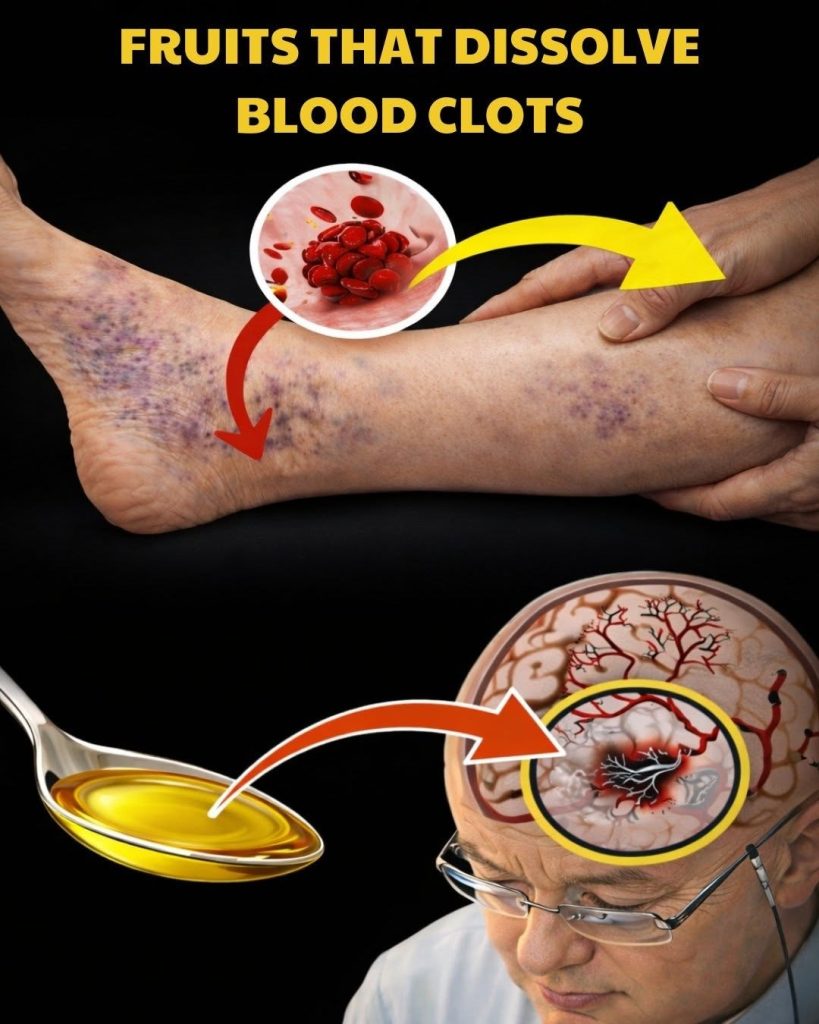
Sensational claims suggesting that specific fruits or natural liquids can rapidly “dissolve” dangerous blood clots often circulate online. These posts usually feature alarming imagery of deep vein thrombosis or cerebral strokes paired with simple dietary remedies. However, medical science clarifies that while certain nutrients support blood vessel health, no fruit can act as an instant cure or replacement for medical thrombolytic treatment.
Understanding the difference between long-term cardiovascular support and acute blood clot medical care helps separate online myths from evidence-based health practices.
Dietary Support vs. Medical Reality of Blood Clots
Analyzing popular natural claims against established hematological science highlights why fruits support vascular health but cannot dissolve existing blood clots.
+——————————————————————————-+
| FRUIT MYTH VS. HEMATOLOGICAL REALITY |
+————————–+—————————————————-+
| VIRAL CLAIM | MEDICAL & PHYSIOLOGICAL REALITY |
+————————–+—————————————————-+
| 1. Instantly Dissolves | Fruits contain compounds like salicylates, but |
| Existing Clots | cannot break apart acute fibrin thrombi. |
| 2. Replaces Blood | Natural blood thinners operate weakly compared to |
| Thinning Medication | clinical anticoagulants or thrombolytic drugs. |
| 3. Prevents Strokes | Nutrient-dense fruits lower long-term risk factors |
| Overnight | but cannot clear acute cerebral artery blockages. |
| 4. Cures Deep Vein | DVT requires urgent hospital evaluation to avoid |
| Thrombosis (DVT) | life-threatening pulmonary embolisms. |
+————————–+—————————————————-+
1. Fruits Do Not Act as Thrombolytic Agents
Emergency medicine relies on powerful prescription thrombolytics (such as tissue plasminogen activator, or tPA) to actively dissolve fibrin matrices in acute blood clots. While certain fruits contain compounds like bromelain (in pineapple) or natural salicylates (in berries) that exhibit mild antiplatelet effects, they lack the enzymatic strength to dissolve an established, life-threatening clot.
2. Supporting Vascular Health Through Diet
Incorporating fruits into a daily diet provides long-term cardiovascular benefits. Flavonoids, polyphenols, and potassium found in citrus, berries, and grapes help reduce systemic inflammation, improve endothelial function, and maintain healthy blood pressure—factors that reduce the long-term risk of clot formation.
3. Dangerous Interactions with Anticoagulants
Patients currently prescribed blood thinners (such as warfarin or direct oral anticoagulants) must exercise caution with sudden dietary changes. High consumption of specific fruits or herbal extracts can interact with medication metabolism, either decreasing effectiveness or increasing internal bleeding risks.
4. Recognizing a True Medical Emergency
Blood clots in deep veins (DVT) or cerebral arteries (stroke) are medical emergencies. Symptoms like sudden leg swelling, persistent pain, severe chest pressure, weakness on one side of the face, or sudden speech difficulty require immediate emergency room care, not home remedies.
Risks of Relying on Quick-Fix Natural Remedies
Delaying emergency care for circulatory conditions poses severe physical risks.
Preventing Life-Threatening Complications
An untreated deep vein clot can detach and travel to the lungs, causing a fatal pulmonary embolism. Seeking immediate medical care prevents dangerous embolizations.
Avoiding Misleading Dietary Substitutions
Stopping prescribed anticoagulant therapy in favor of fruit juices or supplements dramatically increases the risk of stroke or heart attack.
Practical Actionable Steps for Promoting Healthy Blood Circulation
Maintain Daily Physical Activity: Regular walking, stretching, and leg movement encourage blood flow and prevent venous stasis during long periods of sitting.
Eat a Balanced, Antioxidant-Rich Diet: Consume berries, oranges, kiwi, and dark leafy greens to support vascular lining strength and systemic health.
Stay Well-Hydrated: Drink plenty of water throughout the day to keep blood volume optimal and prevent blood hyperviscosity.
Discuss Supplements with Your Physician: Always consult a doctor before taking high-dose bromelain, enzyme supplements, or herbal remedies intended to thin the blood.
Fascinating Facts About Blood Clotting and Digestion
The Fibrin Meshwork: Blood clots are held together by a dense mesh of protein called fibrin, which requires targeted biological enzymes to safely dismantle.
Natural Salicylates: Strawberries, blueberries, and raisins contain natural salicylates—the same chemical family as aspirin—which provide mild, natural antiplatelet activity over time.
Conclusion
While eating a colorful variety of fruits supports general arterial health and reduces long-term cardiovascular risks, no fruit can dissolve an existing blood clot. Understanding the boundary between daily nutrition and medical emergency care keeps your cardiovascular system protected.
Frequently Asked Questions (FAQ)
Can any fruit actually dissolve a blood clot?
No. No fruit or natural food has been medically proven to dissolve existing blood clots. Acute clots require prescription medical treatment or intervention.
Which fruits help support healthy blood circulation?
Fruits rich in antioxidants and salicylates—such as blueberries, oranges, pomegranates, pineapples, and grapes—help support healthy blood vessel walls and overall circulation.
Can eating certain fruits interfere with blood thinners?
Yes. Large shifts in dietary intake or supplement use (like high-dose enzyme extracts) can interact with prescription anticoagulants, altering their effectiveness.
What are the main warning signs of a blood clot in the leg?
Key signs of deep vein thrombosis (DVT) include sudden swelling in one leg, localized warmth, redness, and persistent throbbing or cramping pain in the calf or thigh.
