
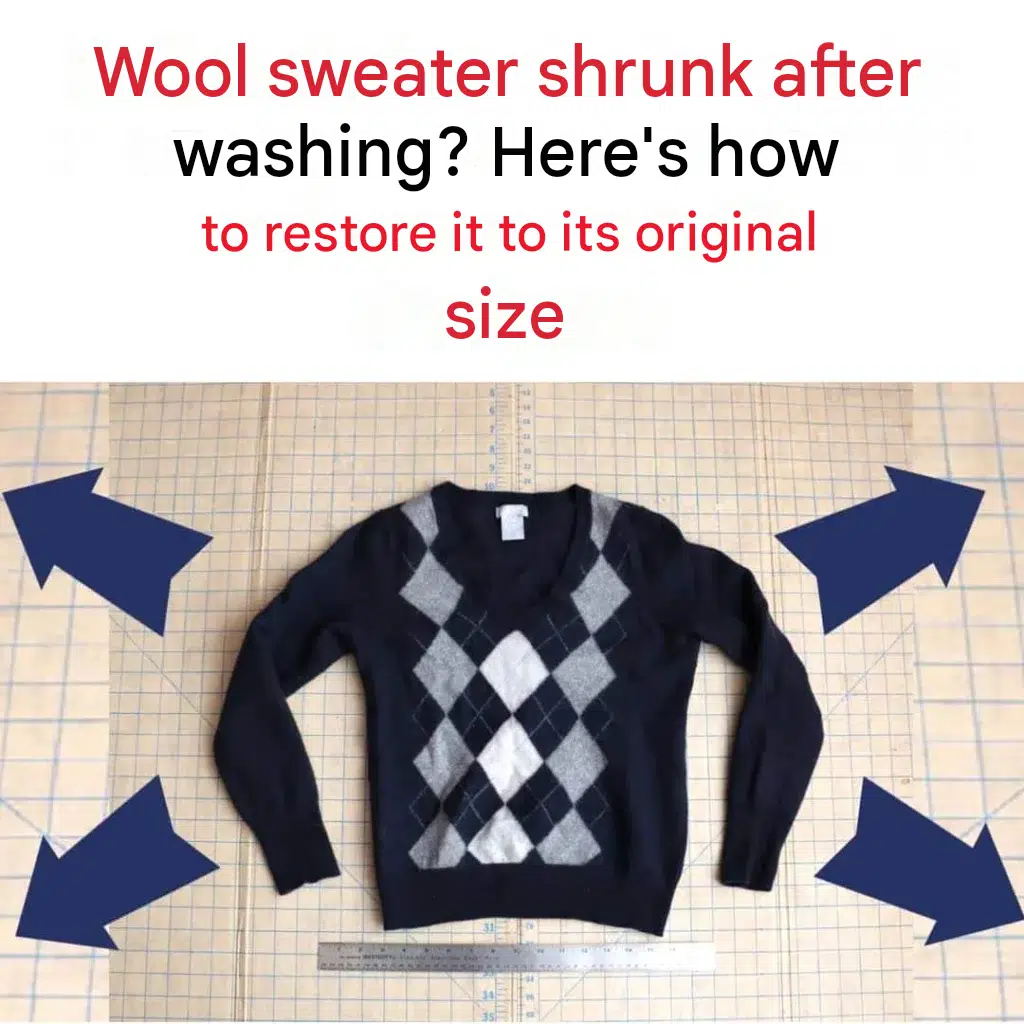
Finding out that a favorite wool sweater has shrunk after a trip through the washing machine is a frustrating experience for any wardrobe owner. Wool is a magnificent, natural fabric valued for its warmth, breathability, and luxurious comfort, but its delicate protein fibers require special care. When exposed to high heat, agitation, and sudden temperature shifts during washing or drying, the microscopic scales on wool fibers lock together, causing the entire garment to felt, tighten, and shrink significantly.
Fortunately, a shrunk wool sweater is not always permanently ruined. By utilizing the right relaxing agents, careful handling techniques, and patient reshaping methods, you can often restore the garment close to its original size and shape.
This comprehensive guide explores the structural science of wool fibers, step-by-step restoration techniques, proper laundry care practices, garment maintenance, and financial or insurance safeguards for valuable apparel collections.
The Science Behind Wool Shrinkage
To understand how to reverse shrinkage, it helps to understand why wool shrinks in the first place. Wool fibers—harvested from sheep and other animals—are covered in tiny, overlapping microscopic scales similar to the scales on a pinecone or human hair.
The Felting Process
When a wool garment is washed in hot water and subjected to mechanical agitation (like a standard machine spin cycle), these scales open up, slide over one another, and interlock permanently. This process, known as felting, causes the yarn to contract tightly, making the sweater dense, stiff, and noticeably smaller.
Step-by-Step Guide to Restoring a Shrunk Wool Sweater
Restoring a shrunk sweater relies on relaxing the interlocked wool fibers so they can be gently stretched back into their original proportions.
[ Shrunk Wool Garment ]
│
▼
[ Soak in Lukewarm Water & Hair Conditioner ]
│
▼
[ Gently Squeeze Out Excess Water ]
│
▼
[ Pin and Stretch on Flat Towel / Surface ]
│
▼
[ Air Dry Completely Without Heat ]
1. Prepare a Relaxing Soak
Fill a basin with lukewarm water. Hot water will cause further felting, so ensure the temperature is comfortable to the touch. Mix in a generous amount of hair conditioner, baby shampoo, or specialized wool wash. Conditioner helps relax and lubricate the protein fibers, making them pliable.
2. Submerge and Saturate
Place the shrunk sweater into the basin, ensuring the water completely saturates the fabric. Gently press down so the liquid penetrates every fiber. Let the sweater soak for 30 minutes to an hour to allow the relaxant to soften the interlocked scales.
3. Remove Excess Water Without Wringing
Drain the soapy water, but do not wring or twist the sweater, as wringing distorts and stretches the wet fibers unevenly. Instead, gently press the sweater against the side of the basin to squeeze out excess moisture. Lay the sweater flat on a clean, dry bath towel, roll the towel up with the sweater inside, and press gently to absorb remaining water.
4. Reshape and Block on a Flat Surface
Transfer the damp sweater to a dry flat surface (such as a blocking mat or clean towel). Gently stretch the sweater back into its original shape and dimensions, working section by section—sleeves, body, and neckline. Use rust-proof pins to secure the edges to the surface if needed, allowing it to air dry completely away from direct sunlight or heat sources.
Preventative Care and Maintenance Best Practices
Preventing future shrinkage saves time and protects your favorite garments from damage.
Proper Washing Techniques for Wool
Hand Wash Only: Unless labeled machine-washable, always wash wool garments by hand in cold or lukewarm water using a mild, pH-neutral detergent.
Avoid Agitation: Never scrub, rub, or wring wool items. Swish them gently through soapy water and rinse thoroughly without twisting.
Never Use a Tumble Dryer: Heat is the primary enemy of wool. Always dry wool flat in the shade; never place wool sweaters in an electric clothes dryer.
+——————————————————————-+
| Wool Garment Care Checklist |
+————————-+—————————————–+
| Care Action | Purpose |
+————————-+—————————————–+
| Hand Wash in Cold Water | Prevents fiber agitation and felting |
| Use Mild Wool Detergent | Protects natural protein fibers |
| Dry Flat in Shade | Avoids heat shrinkage and stretching |
| Never Wring Wet Items | Preserves original seam alignment |
+————————-+—————————————–+
Financial Protection, Insurance, and Wardrobe Asset Management
For high-end designer woolens, cashmere coats, and luxury apparel collections, proper maintenance is also a matter of financial asset protection.
Home Insurance and Specialized Coverage
Standard homeowner and renter insurance policies cover clothing losses resulting from catastrophic events like fire or theft, but they generally do not cover accidental damage caused by routine laundering errors. However, specialized valuable articles floaters or comprehensive wardrobe insurance riders can sometimes protect high-value collector items and designer wardrobes against accidental damage.
Organizing and Documenting Apparel Assets
Maintaining an updated digital inventory of luxury garments—including purchase receipts and care tag records—simplifies insurance claims and ensures high-value wardrobe investments are properly accounted for in household estate plans.
Fascinating Facts About Wool and Textile History
Natural Thermal Regulation: Wool fibers possess natural crimp, which creates tiny air pockets that trap body heat while remaining breathable, keeping wearers warm in winter and cool in summer.
Ancient Textile Roots: Humans have utilized sheep’s wool for textiles for over 10,000 years, making it one of the earliest domesticated fibers in human civilization.
Fire Resistance: Wool is naturally flame-resistant; it is difficult to ignite and self-extinguishes when removed from a flame source, unlike synthetic polyester fibers.
Moisture Wicking: Wool can absorb up to 30% of its weight in moisture without feeling heavy or damp to the touch, making it an exceptional performance fabric.
Conclusion
Discovering a shrunk wool sweater can be disheartening, but understanding the biology of wool fibers and applying patient restoration techniques can often bring your favorite garment back to life. By soaking the fibers in a softening agent, gently pressing out water, and carefully blocking the sweater back to its original dimensions, you can reverse accidental laundry mishaps. Combining these restoration skills with proper hand-washing habits ensures your wool wardrobe stays luxurious and wearable for years to come.
Frequently Asked Questions (FAQ)
Can every shrunk wool sweater be successfully restored?
Most wool sweaters can be significantly relaxed and stretched back toward their original size, but heavily felted wool—where fibers are completely fused together—has structural limits and may not return 100% to its original dimensions.
Why does hair conditioner work to unshrink wool?
Hair conditioner lubricates and relaxes the protein scales on wool fibers, allowing them to slide apart and uncouple when gently stretched back into shape.
Can I use a hair dryer to speed up the drying process?
No. Applying direct heat from a hair dryer or placing the sweater near a heater will cause the wool fibers to contract and felt further, ruining the restoration effort. Always let wool air dry naturally on a flat surface.
How should I wash wool to prevent future shrinkage?
Always hand-wash wool in cold or lukewarm water with a mild detergent designed for delicate fabrics. Never twist, wring, or tumble-dry wool garments.
Does dry cleaning prevent wool shrinkage?
Professional dry cleaning is a safe alternative for structured wool garments, suits, and coats because it uses chemical solvents rather than water and heat agitation, preventing the felting process.
