
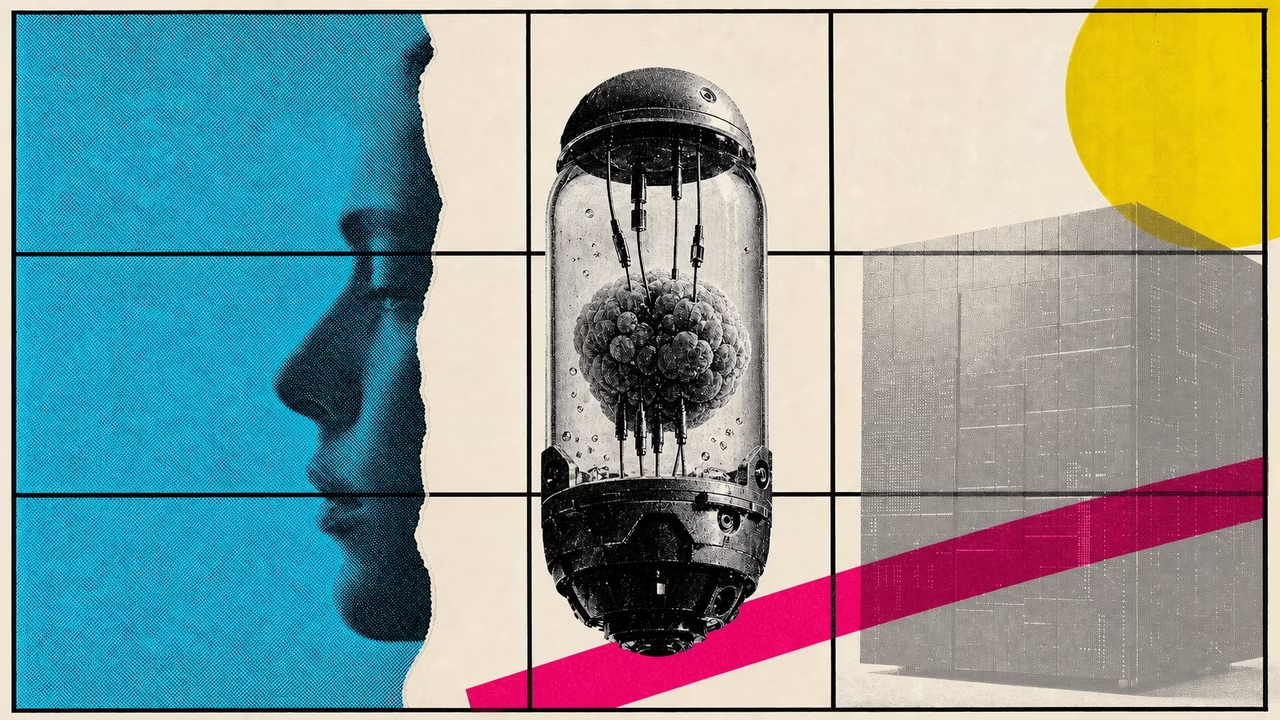
Introduction: Beyond Silicon and Traditional Computing
For decades, the engine of modern progress has been silicon. From the smartphone in your pocket to massive hyperscale data centers, traditional computers rely on rigid binary logic circuits etched onto semiconductor wafers. Yet, as artificial intelligence, data demands, and complex modeling push traditional hardware to its physical limits, scientists are looking toward a revolutionary alternative: biological computing. By harnessing living brain organoids, neural cells, and synthetic biological networks, researchers are creating wetware systems capable of adaptive learning, massive parallelism, and energy efficiency that dwarfs modern silicon chips.
As this cutting-edge field accelerates, it introduces profound implications across multiple commercial and societal domains, including technology, investment, business, and legal services. This article explores the mechanics of organoid intelligence, its potential applications in data processing and medicine, and how society must navigate the complex ethical, regulatory, and insurance landscapes accompanying this biological shift.
The Science Behind Biological Computing
To understand how living tissue can process information, we must examine the intersection of neuroscience, bioengineering, and synthetic biology. Unlike silicon transistors that process electrical switches, biological computers use living neurons that communicate via chemical and electrical synapses.
1. Culturing Brain Organoids
Researchers grow three-dimensional cellular structures—known as brain organoids—from stem cells. These miniature neural networks mimic aspects of human brain architecture, forming interconnected synapses capable of electrical activity and adaptive responses.
2. Microelectrode Array (MEA) Integration
By interfacing cultured organoids with high-density microelectrode arrays, scientists can stimulate the neural tissue with electrical signals and record its output. This two-way communication allows the biological network to process external data, solve computational tasks, and learn from feedback loops.
3. Unmatched Energy Efficiency
The human brain operates on roughly 20 watts of power—far less than the megawatts required to train and run massive artificial intelligence models. Bio-computing systems aim to harness this extraordinary energy efficiency for advanced computing applications.
Practical Applications in Modern Innovation
The rise of biological computing opens up transformative possibilities across various industries:
-
Advanced Neural Modeling: Helping medical researchers study neurological disorders, drug responses, and cognitive development in real-time living models.
-
Next-Generation AI: Creating hybrid systems that combine the pattern-recognition strengths of biological wetware with the raw speed of digital processors.
-
Ultra-Low-Power Processing: Developing specialized computing nodes that handle complex pattern matching and sensory processing with minimal energy consumption.
Aligning Innovation with Governance, Ethics, and Law
While bio-computing captures our imagination, transitioning from silicon to cellular systems requires rigorous oversight. For biotech startups and research institutions, advancing this technology demands sound investment strategies and a keen understanding of market trends in technology. Furthermore, as living neural networks raise novel ethical and moral questions, navigating the complexities of legal services, regulatory compliance, and liability insurance becomes paramount. Whether you are an attorney drafting biotechnology patents, a business leader exploring commercial feasibility, or an individual considering the future of medicine, proactive planning ensures responsible progress.
Interesting Facts About Biological Computing
-
Remarkable Efficiency: The human brain boasts roughly 86 billion neurons capable of performing complex computations while consuming less energy than a dim lightbulb.
-
In Vitro Learning: Studies have shown that cultured neural networks integrated into microelectrode arrays can learn to play simple video games by adapting their electrical firing patterns based on feedback.
-
Rapid Expansion: The convergence of synthetic biology and machine learning is attracting substantial venture capital investment worldwide as companies race to commercialize wetware solutions.
-
Ethical Frontiers: The development of sentient or semi-conscious organoid models has sparked intense global debate among ethicists, lawmakers, and scientists regarding moral boundaries.
Conclusion: Embracing the Era of Living Machines
The emergence of biological computing marks one of the most daring frontiers in human history. By merging living neural tissue with advanced micro-engineering, we unlock the potential for computing power that is adaptive, sustainable, and radically efficient. However, this power demands equal measures of ethical caution, regulatory foresight, and sound business planning. Balancing scientific ambition with responsible governance ensures that as we approach the age of living machines, humanity guides the future safely.
Frequently Asked Questions (FAQ)
Q: Are brain organoids used in computing actually conscious? A: No. Current organoids are rudimentary networks of brain cells lacking sensory inputs, emotional states, or subjective consciousness, functioning strictly as cellular processing units.
Q: How do computers communicate with living organoids? A: Scientists use microelectrode arrays that attach to or sit beneath the cultured tissue, translating digital data into electrical stimulation and reading the neural response.
Q: Will biological computers replace traditional silicon processors? A: Rather than replacing silicon entirely, bio-computing is expected to complement traditional hardware by taking over specialized tasks like pattern recognition and low-power processing.
Q: What are the main challenges facing bio-computing research? A: Maintaining the longevity and health of living cellular tissue outside the human body, standardizing neural growth, and scaling up stable input-output interfaces are primary hurdles.
Q: How do legal and ethical frameworks apply to biotechnology? A: Regulatory bodies, ethicists, and legal professionals are actively establishing guidelines to govern the ethical cultivation, use, and commercialization of human neural tissue.
