
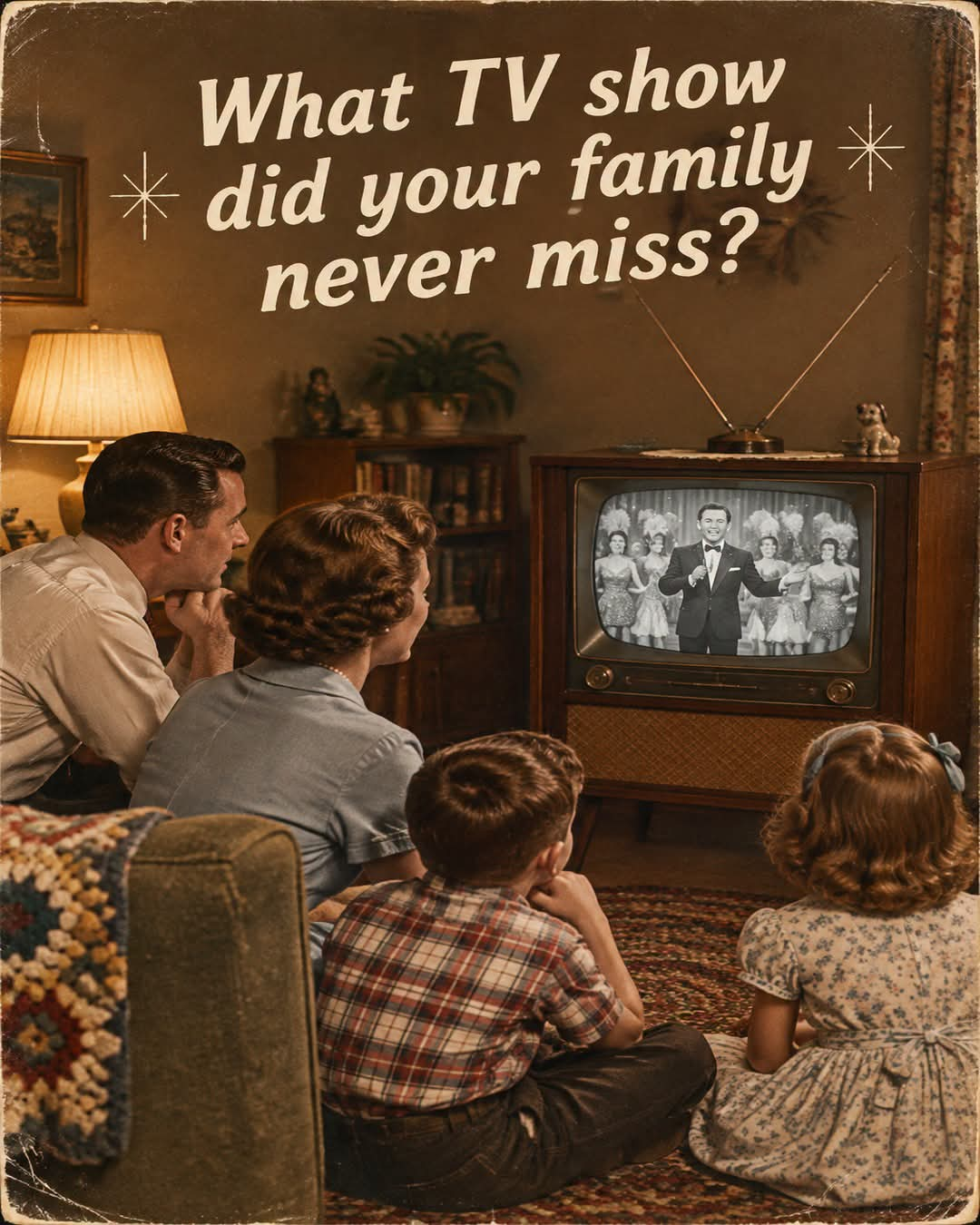
Long before the era of on-demand streaming and personal smartphones, watching television was a shared household tradition. During the mid-20th century, families gathered in living rooms every evening, tuning into scheduled broadcasts on classic wooden console television sets.
From iconic variety hours to beloved family sitcoms, these weekly television traditions created lasting memories across generations.
Below, we look back at the classic era of family TV night and the shows that defined it.
Vintage TV Night Overview & Nostalgic Matrix
+-------------------------------------------------------------------+
|                  CLASSIC FAMILY TV NIGHT OVERVIEW                 |
|                                                                   |
|  [ DISPLAY ERA ]   • Mid-Century Console TV Sets with Rabbit Ears  |
|  [ POPULAR GENRES ]• Variety Shows, Sitcoms, Game Shows, Westerns |
|  [ FAMILY HABITS ] • Scheduled prime-time viewing, shared dinners |
|  [ NOSTALGIA VIBES]• Black & white broadcasts, rabbit-ear antennae|
+-------------------------------------------------------------------+
Key Highlights of Classic Family Viewing:
-
Scheduled Prime-Time Entertainment: Families built their evening schedules around broadcast airtimes, creating shared rituals.
-
The Classic Wooden Console TV: Televisions functioned as central furniture pieces in mid-century living rooms, often complete with rabbit-ear antennae.
-
Variety & Musical Shows: Programs hosted by iconic entertainers brought music, comedy, and theatrical performances directly into living rooms.
-
Cross-Generational Appeal: Prime-time programs were designed to entertain parents, teenagers, and young children alike.
The Cultural Impact of Shared Family Viewing
1. The Living Room Centerpiece
In the 1950s and 1960s, the television replaced the radio as the focal point of the American living room. Families sat together on patterned sofas and woven braided rugs, adjusting wire antennae to pick up clear broadcast signals.
2. Iconic Variety and Comedy Shows
Shows like The Ed Sullivan Show, The Lawrence Welk Show, I Love Lucy, and The Carol Burnett Show commanded massive weekly audiences. Because viewer choices were limited to three major broadcast networks, millions of households watched the exact same live cultural events simultaneously.
3. Creating Shared Cultural Moments
Whether tuning in to watch legendary musical performances, comedy sketches, or holiday specials, prime-time television served as a primary source of shared community conversation the following day.
Conclusion
The era of gathering around a glowing console screen fostered a unique sense of togetherness and shared nostalgia. Looking back on these classic television traditions reminds us of the power of entertainment to bring families together!
Frequently Asked Questions (FAQ)
Why were variety shows so popular in early television?
Variety shows featured a mix of singing, dancing, comedy, and special acts, offering something entertaining for every family member in a single broadcast.
What made console televisions unique?
Console televisions were housed in large, decorative wooden cabinets, acting as both an electronic appliance and a central piece of living room furniture.
