
The Musical Journey of Generations: Why Gen Xers and Boomers Have Walked a Lot
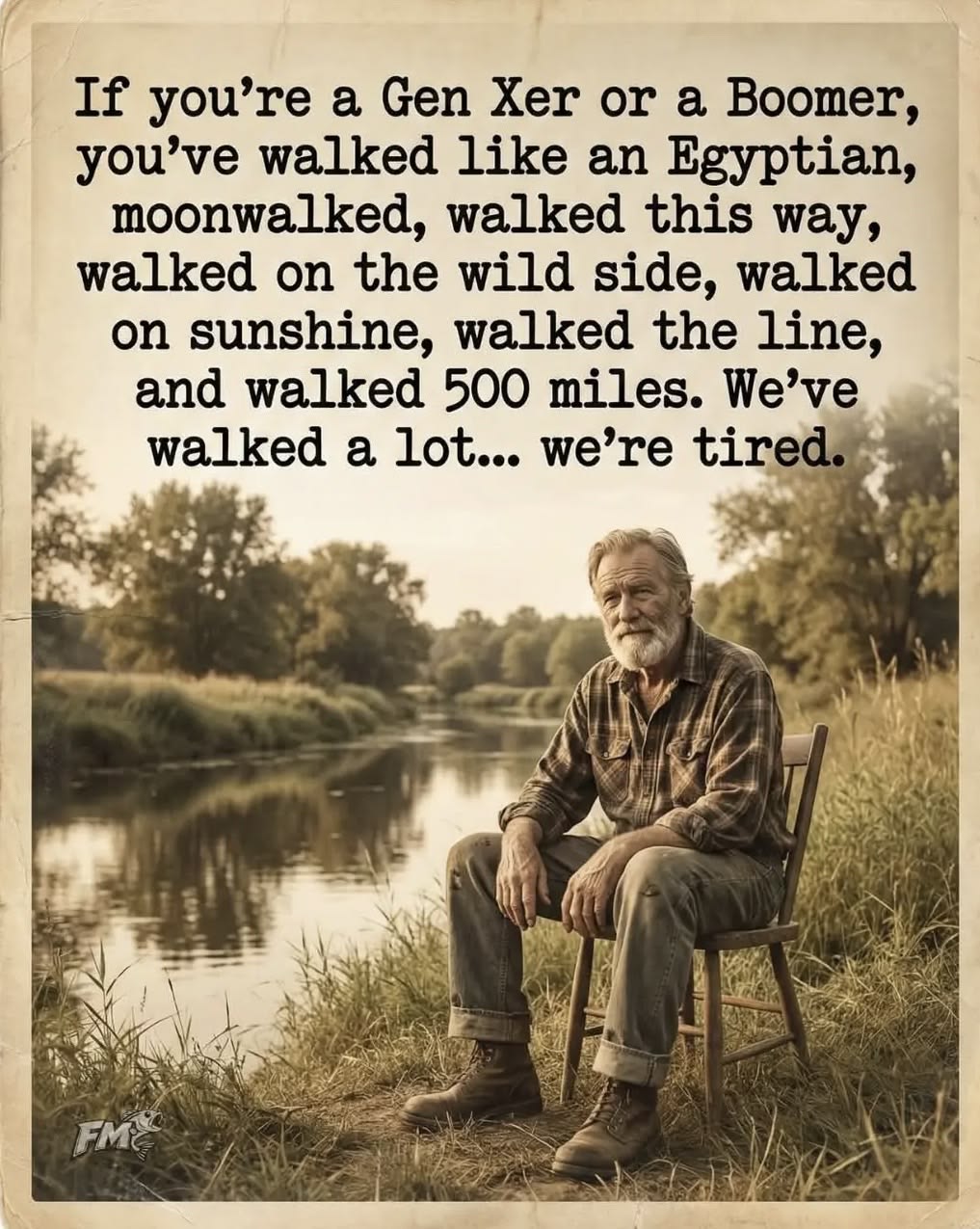
Pop culture and music history hold a unique power to define entire generations. A popular and widely shared viral meme captures this musical nostalgia with witty wordplay, noting: “If you’re a Gen Xer or a Boomer, you’ve walked like an Egyptian, moonwalked, walked this way, walked on the wild side, walked on sunshine, walked the line, and walked 500 miles. We’ve walked a lot… we’re tired.”
This clever ode to classic music history strikes a chord with millions who grew up listening to the legendary soundtracks of the late 20th century. Examining the iconic songs referenced in the meme, the cultural impact of classic pop and rock music, and why these musical memories remain so enduring reveals a rich history of generational entertainment.
The Iconic Musical References Behind the Meme
The humor of the meme relies on clever puns referencing some of the greatest hit songs and musical artists from the 1960s, 70s, and 80s:
“Walk Like an Egyptian”: Released by The Bangles in 1986, this infectious pop anthem became an international smash hit, inspiring a globally recognized dance craze.
The “Moonwalk”: Popularized by Michael Jackson during his legendary 1983 Motown television performance, the sliding dance move became an indelible symbol of 1980s pop culture.
“Walk This Way”: Originally recorded by Aerosmith in 1975 and famously remade with Run-D.M.C. in 1986, this crossover track bridged the worlds of rock and hip-hop.
“Walk on the Wild Side”: Lou Reed’s classic 1972 storytelling masterpiece captured the gritty, bohemian counterculture of New York City.
“Walking on Sunshine”: Katrina and the Waves delivered one of the most energetic, upbeat pop anthems of 1985 with this joyful track.
“I Walk the Line”: Johnny Cash’s iconic 1956 country classic established his legendary baritone and enduring outlaw persona.
“I’m Gonna Be (500 Miles)”: Released by The Proclaimers in 1988, this catchy Scottish folk-rock anthem became an instant worldwide sing-along favorite.
The Cultural Evolution of Music and Generational Identity
For Baby Boomers and Generation X, music wasn’t just background noise—it was a core pillar of cultural identity. Growing up through the golden ages of vinyl records, cassette tapes, FM radio, and MTV, these generations experienced a massive explosion of diverse musical genres, from classic rock and soul to punk, new wave, and pop.
Music acted as the emotional soundtrack to major historical milestones, social movements, and personal coming-of-age moments. Sharing concerts, albums, and radio countdowns created deep bonds of community that persist to this day.
Financial Wisdom, Entertainment Investments, and Collecting Music
The deep appreciation for classic music also translates into how older generations value enduring art and physical media. While modern listeners rely heavily on rented streaming subscriptions, Boomers and Gen Xers grew up purchasing physical albums that retained permanent value.
Applying traditional appreciation for quality assets to modern life offers great perspective:
Invest in Enduring Quality: Just as classic songs stand the test of time, purchasing durable, high-quality goods over disposable trends provides lasting value.
Support Live Arts: Investing in concert tickets and live music experiences creates lifelong emotional memories that far outweigh material purchases.
Preserve Collections: Many music enthusiasts continue collecting vintage vinyl records, turntables, and classic memorabilia as cherished investments and hobbies.
Practical Tips for Reliving Your Musical Heyday
If you want to reconnect with the nostalgic energy of your favorite decades, try these simple activities:
Host a Retro Listening Night: Gather friends or family to spin classic vinyl albums or cassette tapes from the 60s, 70s, and 80s.
Create a Nostalgic Playlist: Compile your favorite walking, dancing, and driving anthems into a digital playlist for your daily walks or road trips.
Share Music Across Generations: Introduce younger family members to the artists and bands that shaped your youth, sharing the stories behind the songs.
Fascinating Facts About 20th-Century Music History
The Birth of MTV: Launched in 1981, MTV revolutionized the music industry by turning songs into visual storytelling experiences and catapulting artists like Michael Jackson and Madonna to global superstardom.
The Vinyl Resurgence: Despite the dominance of digital streaming, vinyl record sales have experienced a massive multi-year renaissance, driven largely by older collectors and younger audiophiles alike.
The Cassette Tape Invention: Philips introduced the compact audio cassette in 1963, transforming portable music and allowing fans to record custom mixtape compilations for the first time.
Conclusion
The witty meme reminding Boomers and Gen Xers of all the “walking” they’ve done through music history captures a fun, lighthearted truth about growing up with the greatest soundtracks of all time. Whether you danced to new wave pop or rocked out to classic guitar anthems, the music of those decades continues to keep us moving forward.
FAQ Section
Who originally sang “Walk Like an Egyptian”?
“Walk Like an Egyptian” was recorded by the American pop-rock band The Bangles and released in 1986 on their multi-platinum album Different Light.
Why do classic rock and pop songs evoke such strong nostalgia?
Music triggers powerful emotional memories by activating the brain’s limbic system, connecting listeners instantly to the people, places, and feelings of their youth.
Are physical vinyl records making a comeback?
Yes. Vinyl records have seen a dramatic global comeback over the past decade as music fans appreciate the warm analog sound quality and tangible collectible artwork.
