
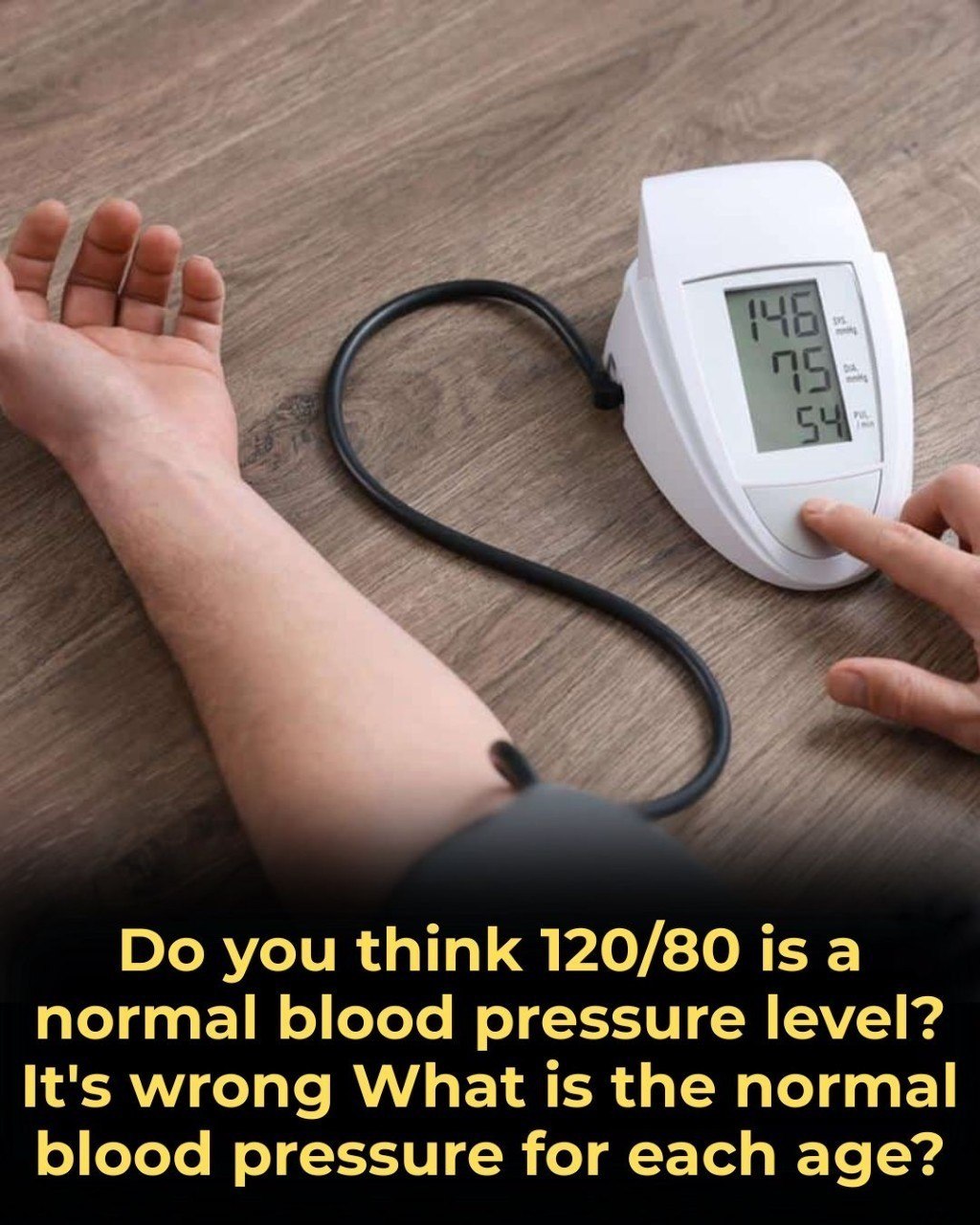
Blood pressure monitoring is one of the most vital health checks for maintaining cardiovascular wellness. A popular viral post asking “Do you think 120/80 is a normal blood pressure level? It’s wrong What is the normal blood pressure for each age?” features a digital blood pressure monitor showing a reading of 146/75 mmHg with a pulse of 54 bpm.
Understanding how blood pressure guidelines work—and how normal ranges naturally shift as we age—helps individuals track their cardiovascular health accurately with medical professionals.
Visual Breakdown: Reading Home Blood Pressure Monitors
A standard digital monitor displays three key metrics that indicate arterial pressure and heart rate.
+-----------------------------------------------------------------------+
|                 BLOOD PRESSURE MONITOR READING ANALYSIS               |
|                                                                       |
|   [ Systolic (SYS) ]   ---> Top Number: 146 mmHg (Pressure during beat)|
|                                           |                           |
|                                           v                           |
|   [ Diastolic (DIA) ]  ---> Middle Number: 75 mmHg (Pressure at rest) |
|                                           |                           |
|                                           v                           |
|   [ Pulse (PUL) ]      ---> Bottom Number: 54 bpm (Heart rate)        |
+-----------------------------------------------------------------------+
Key Display Indicators
- Systolic Pressure (146 mmHg): Measures the pressure in your arteries when your heart beats. A reading above 130 mmHg falls into Stage 1 or Stage 2 hypertension according to standard clinical guidelines.
- Diastolic Pressure (75 mmHg): Measures the pressure in your arteries when your heart rests between beats. A value under 80 mmHg is within the optimal range.
- Pulse Rate (54 bpm): Indicates resting heart rate per minute, where 60 to 100 bpm is standard for resting adults (athletic individuals often display lower resting heart rates).
Typical Blood Pressure Categories & Guidelines
Major health organizations define blood pressure categories for adults as follows:
- Normal Range: Systolic less than 120 mmHg AND Diastolic less than 80 mmHg (e.g., 115/75 mmHg).
- Elevated: Systolic between 120–129 mmHg AND Diastolic less than 80 mmHg.
- Stage 1 Hypertension: Systolic between 130–139 mmHg OR Diastolic between 80–89 mmHg.
- Stage 2 Hypertension: Systolic 140 mmHg or higher OR Diastolic 90 mmHg or higher.
Blood Pressure Averages Across Age Groups
As arteries naturally lose elasticity over time, baseline blood pressure readings tend to rise gradually with age.
| Age Category | Typical Systolic Average | Typical Diastolic Average | Classification Goal |
| Young Adults (18–39 years) | ~110–120 mmHg | ~70–80 mmHg | < 120/80 mmHg |
| Middle-Aged Adults (40–59 years) | ~120–130 mmHg | ~75–85 mmHg | < 130/80 mmHg |
| Seniors (60+ years) | ~130–140 mmHg | ~70–80 mmHg | < 130–140/80 mmHg (Individualized) |
Frequently Asked Questions (FAQ)
1. Is 120/80 mmHg considered unhealthy?
No, 120/80 mmHg is widely recognized as a benchmark for normal blood pressure. A systolic reading slightly below 120 mmHg with diastolic under 80 mmHg is considered optimal.
2. How can you get the most accurate blood pressure reading at home?
Sit quietly for 5 minutes before measuring, keep your feet flat on the floor, rest your arm at heart level on a table, and avoid caffeine, alcohol, or exercise 30 minutes prior to taking a reading.
Conclusion
Regular monitoring and open communication with your primary care physician are the best ways to keep your blood pressure in check and ensure long-term heart health.
