
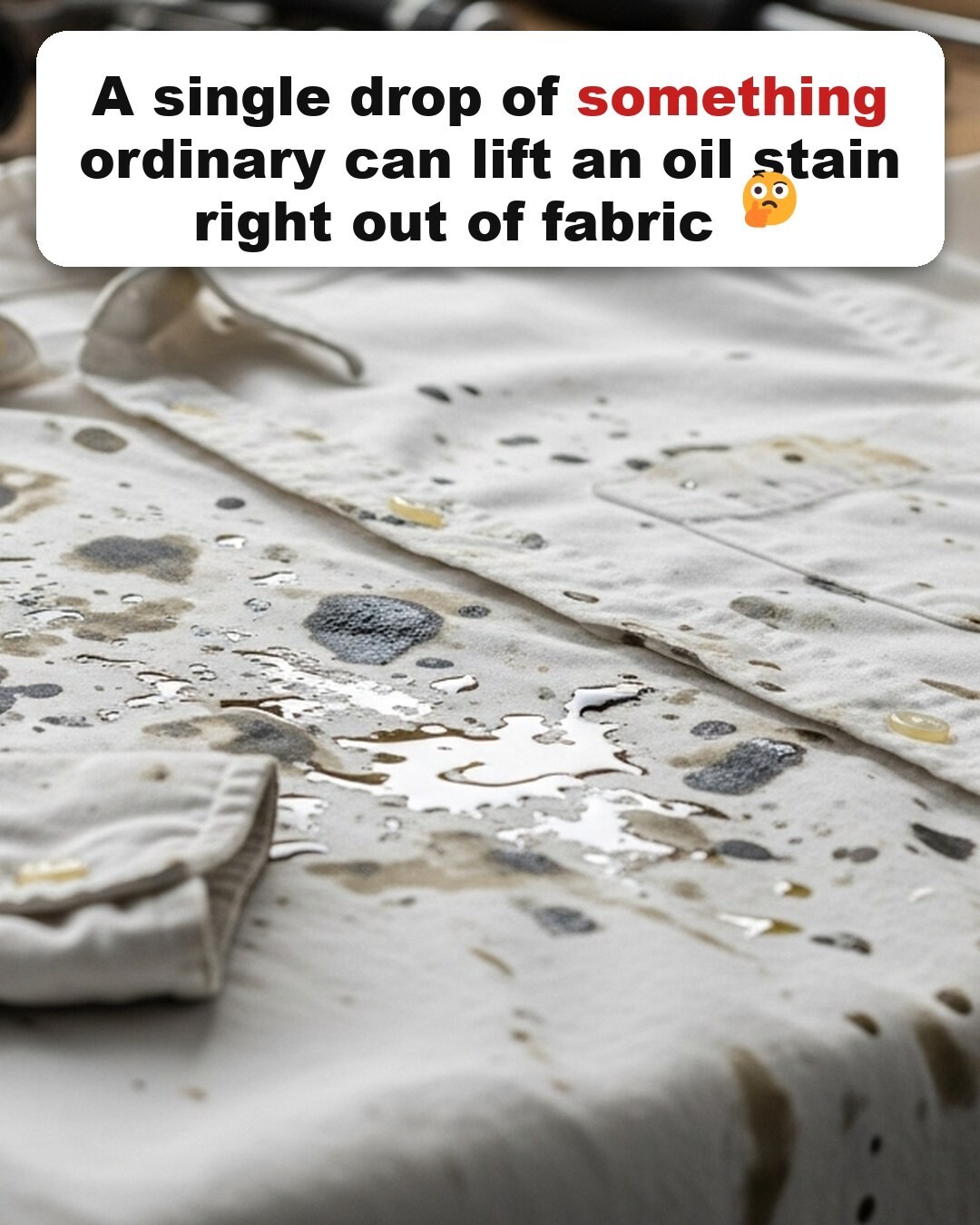
Accidentally dripping salad dressing, cooking oil, grease, or butter onto your favorite shirt can feel like an immediate disaster. Because oil quickly binds to fabric fibers, standard water and regular laundry detergent often fail to break down grease marks, leaving behind unsightly dark spots even after a full wash cycle.
However, ruined clothing does not have to be the result. The secret to lifting stubborn oil stains out of clothing relies on a single drop of an ordinary household item found in almost every kitchen: liquid dish soap. Understanding how dish soap breaks down grease on a molecular level—paired with proper pretreatment techniques—allows you to rescue stained garments in minutes.
Why Standard Water Alone Fails on Oil Stains
To understand how to remove grease stains, it helps to look at basic chemistry. Water molecules are polar, meaning they cling together easily. Oil, on the other hand, is non-polar and hydrophobic (water-repelling).
When water hits an oil stain on fabric, the water beads up and slides off without penetrating or dissolving the lipid molecules bound to the textile fibers.
+———————————————————————–+
| SURFACTANT MOLECULAR ACTION |
| |
| [ Dish Soap Molecule ] |
| – Hydrophilic Tail —> Attracts Water Molecules |
| – Lipophilic Head —> Binds Directly to Oil & Grease |
| |
| ACTION: Surfactant surrounds grease spot —> Forms Micelles —> |
| Lifts oil off fabric fibers —> Suspends oil in rinse water |
+———————————————————————–+
The Surfactant Secret in Dish Soap
Liquid dish soaps (like Dawn or Palmolive) are specifically formulated with concentrated surfactants designed to cut through thick cooking grease on cookware. Surfactant molecules possess a dual nature:
Lipophilic (Oil-Loving) End: Binds strongly to grease molecules trapped in clothing fibers.
Hydrophilic (Water-Loving) End: Attracts rinse water, allowing the trapped oil to be washed away completely.
Step-by-Step Guide: How to Lift Oil Stains in Minutes
Follow this simple, field-tested pretreatment method to erase fresh or set-in grease marks before washing.
Step 1: Blot the Excess Oil Immediately
Gently press a clean paper towel or dry cloth against the fresh oil spot to absorb excess surface liquid. Do not rub, as rubbing pushes grease deeper into the fabric weave.
Step 2: Apply Absorbent Powder (For Large/Heavy Spills)
For heavy oil spills, dust a light layer of baking soda, cornstarch, or baby powder over the stain. Let it sit for 5 to 10 minutes to draw out surface lipids, then brush the powder away.
Step 3: Apply Liquid Dish Soap Direct to the Stain
Squeeze a single drop (or a few drops for larger spots) of liquid dish soap directly onto the grease mark. Using your fingers or a soft-bristled toothbrush, gently massage the soap into the fabric fibers in circular motions.
+———————————————————————–+
| STAIN REMOVAL PROCESS FLOW |
| |
| [ Blot Excess ] —> [ Dust Powder ] —> [ Apply Dish Soap ] |
| | |
| v |
| [ Wash Warm ] <— [ Warm Water Rinse ] <— [ Let Sit 10 Mins ] |
+———————————————————————–+
Step 4: Let Sit and Rinse with Warm Water
Allow the dish soap to penetrate the fibers for 10 to 15 minutes. Rinse the treated area under warm or hot running water (checking garment care labels for maximum safe water temperatures).
Step 5: Launder and Air Dry
Wash the garment in your washing machine using standard laundry detergent. Crucial Rule: Always air-dry the garment first! The high heat of a clothes dryer will permanently set any lingering grease traces into the fabric. If any shadow of the stain remains after air-drying, repeat the dish soap treatment before drying.
Method Comparison: Home Remedies for Oil Stains
Household Method Best Used For Effectiveness Key Advantage
Liquid Dish Soap Fresh & set-in grease, cooking oil High Concentrated surfactants break down lipids fast
Baking Soda & Dish Soap Heavy motor oil, thick grease marks Very High Powder absorbs surface oil; soap lifts fibers
Rubbing Alcohol / Hairspray Fine silk or delicate synthetic blends Moderate Solvent evaporates quickly without heavy scrubbing
Chalk / Baby Powder Immediate emergency treatment out at dinner Fair Temporarily absorbs surface oil until washing
Household Budgeting, Appliance Maintenance, and Smart Financial Management
Efficient home care habits extend beyond laundry efficiency; maintaining clothing longevity contributes directly to smart household budgeting and long-term financial stability.
The Financial Value of Preserving Wardrobes
Replacing damaged wardrobes due to preventable stains adds unnecessary expenses to monthly family budgets. Utilizing low-cost, effective home remedies preserves wardrobe investments, freeing up capital for broader household needs.
+———————————————————————–+
| HOUSEHOLD FINANCIAL & ASSET SECURITY |
| |
| [ Preventive Fabric Care ] [ Financial Planning ] |
| – Extends Wardrobe Life – Smart Monthly Budgeting |
| – Cuts Replacement Costs – Maximizes Savings |
| \ / |
| \ / |
| v v |
| [ Comprehensive Household Stability ] |
| – Homeowners Insurance Protection |
| – Managing Mortgage & Auto Loans |
| – Long-Term Legal & Estate Planning |
+———————————————————————–+
Balancing Home Expenses and Long-Term Protection
Smart family management combines everyday resourcefulness with long-term financial security:
Utility and Appliance Upkeep: Running washing machines with optimal water temperatures and efficient laundry practices lowers monthly utility costs while reducing appliance wear.
Property and Asset Protection: Managing household expenses enables families to prioritize primary mortgage commitments, auto loans, and essential insurance coverage (homeowners, auto, and health insurance).
Estate Planning and Legal Services: Preserving household wealth allows families to consult attorney teams and legal services to structure personal trusts, manage commercial investments, and secure generational wealth.
Frequently Asked Questions (FAQ)
1. Can you get set-in oil stains out after drying?
Yes. Re-saturate the dried oil stain with liquid dish soap mixed with a pinch of baking soda, scrub gently with a soft toothbrush, let sit for 20 minutes, and re-wash in warm water.
2. Does hot water set oil stains?
Unlike protein stains (like blood or egg), oil stains are actually easier to remove with warm or hot water because heat loosens viscous fats. However, heat from a clothes dryer will set lingering oil into synthetic fabrics.
3. What dish soap works best for oil stains?
Concentrated blue dish soap (such as Dawn Original) is widely considered the most effective due to its high concentration of grease-cutting surfactants.
Conclusion
An accidental oil stain does not mean your clothing is ruined. By applying a single drop of liquid dish soap directly to the spot, you leverage surfactant chemistry to dissolve stubborn grease and keep your wardrobe looking fresh for years to come.
