
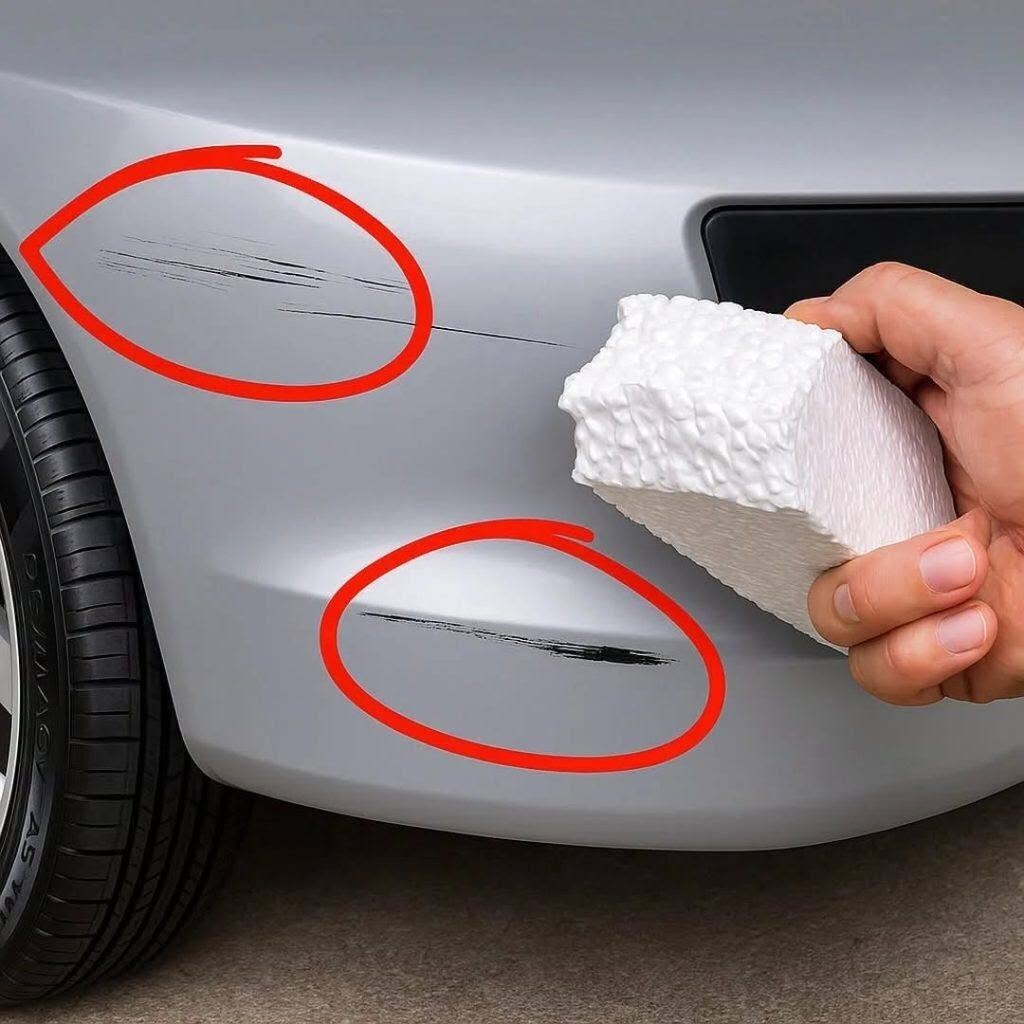
Maintaining a flawless exterior finish on your vehicle is a source of pride for any car owner. However, no matter how carefully you drive or where you park, minor scratches, scuffs, paint transfers, and swirl marks are an inevitable part of vehicle ownership. Stray shopping carts, roadside debris, overhanging tree branches, or tight parking spaces can easily turn a pristine paint job into an eyesore overnight.
While taking your vehicle to a professional auto body shop or detailing center guarantees results, it often comes with a hefty price tag running into hundreds or even thousands of dollars. Luckily, many superficial surface scratches and minor paint scuffs can be safely repaired right in your driveway in just a few minutes. Using a specialized polishing foam pad paired with proper rubbing compound techniques, you can restore your vehicle’s clear coat finish to a showroom shine without breaking the bank.
Understanding Vehicle Paint Layers: Can Your Scratch Be Fixed at Home?
Before grabbing a foam pad and polishing compound, it is essential to assess the depth of the scratch. Modern automotive paint systems consist of multiple protective layers applied over the vehicle’s metal or plastic body panels.
+———————————————————————–+
| AUTOMOTIVE PAINT LAYER STRUCTURE |
| |
| [ Clear Coat Layer ] <— Minor Scratches / Swirls (DIY Fixable) |
| [ Base Coat (Color) ] <— Medium Scratches (Requires Touch-Up Paint) |
| [ Primer Layer ] <— Deep Scratches (Requires Professional Body)|
| [ Metal/Plastic Body ]<— Exposed Surface (Risk of Rust/Corrosion) |
+———————————————————————–+
The 4 Layers of Modern Auto Paint
Clear Coat: The topmost transparent layer that protects the color paint from UV rays, weather, and physical minor abrasion. Most light scratches live exclusively within this clear coat.
Base Coat: The actual pigment or color layer beneath the clear coat.
Primer: An anti-corrosive protective undercoat applied directly over the body panel.
Body Panel: The underlying steel, aluminum, or composite plastic substrate.
The “Fingernail Test”
To determine if a scratch can be polished out with a foam pad:
Gently run your thumbnail across the scratch at a 90-degree angle.
If your nail glides smoothly over without catching: The scratch is confined to the clear coat and can easily be buffed away with a polishing foam pad and compound.
If your nail catches firmly in the groove: The scratch has penetrated into the base coat or primer. While polishing will soften its visual appearance, complete repair will require touch-up paint or professional bodywork.
The Science of Polishing Foam: How Abrasion Levels Work
Polishing pads are engineered from specialized open-cell or closed-cell polyurethane foam designed to hold polishing compounds evenly while distributing friction heat safely across the paint surface.
How Micro-Abrasives Level Out Scratches
Polishing does not actually “fill in” a scratch; instead, it microscopicly levels the surrounding clear coat down to the floor of the scratch depth. When liquid polishing compound is applied with a foam applicator, millions of sub-micron abrasive particles smooth away the sharp edges of the scratch, allowing light to reflect uniformly across the panel again.
+———————————————————————–+
| CLEAR COAT LEVELING DYNAMICS |
| |
| BEFORE: \___/ Scratch Grooves Disrupt Light Reflection |
| |
| ACTION: [ Foam Pad + Compound ] Removes Edge Ridges Gradually |
| |
| AFTER: _______ Smooth Surface Restores High Gloss Mirror Shine |
+———————————————————————–+
Step-by-Step Guide: Removing Scratches with Polishing Foam
Follow this simple, field-tested procedure to safely remove surface scuffs and light scratches from your vehicle.
Step 1: Clean and Prep the Surface Thoroughly
Never polish a dirty car. Rubbing a foam pad over surface grit, road salt, or dust will grind dirt into the clear coat, creating severe swirl marks and deep micro-scratches. Wash the damaged area with automotive shampoo, rinse thoroughly with fresh water, and dry completely with a clean microfiber towel.
Step 2: Apply Polishing Compound to the Foam Pad
Select a medium-density or fine finishing foam applicator pad. Apply a pea-sized dab of quality liquid scratch remover, dual-action rubbing compound, or fine polish directly onto the foam face.
Step 3: Work in a Controlled, Circular Motion
Place the foam pad flat against the affected paint surface before starting. Using moderate, even pressure, rub the foam pad over the scratch in overlapping circular and cross-hatch motions (up-and-down, left-to-right) for roughly 60 to 90 seconds. Keep the pad flat to prevent concentrated heat spots.
Step 4: Wipe and Inspect
Wipe away the compound residue using a clean, dry microfiber cloth. Inspect the area under direct sunlight or a bright LED flashlight. If the scratch remains partially visible, repeat the polishing process once or twice until the damage blends seamlessly into the surrounding paint.
Step 5: Protect with Synthetic Wax or Ceramic Coating
Polishing removes a micro-thin layer of clear coat, leaving the freshly leveled surface vulnerable to environmental elements. Always seal the polished area by applying a quality liquid car wax, synthetic sealant, or ceramic coat to restore UV protection and water-beading performance.
Comparing DIY Scratch Removal Methods
Evaluating different auto detailing options helps vehicle owners choose the most effective strategy based on cost, safety, and finish quality.
Method / Approach Total Cost Time Needed Skill Level Best Used For
Foam Pad & Compound (DIY) $10 – $25 10 – 15 Minutes Beginner / Easy Surface scuffs, clear coat scratches, paint transfers
Dual-Action Rotary Polisher $80 – $200 1 – 2 Hours Intermediate Full-vehicle swirl removal and heavy oxidation
Touch-Up Paint Pen $15 – $35 30 – 60 Minutes Intermediate Deep scratches penetrating to metal or primer
Professional Body Shop $250 – $1,000+ 1 – 3 Days Professional Deep body panel scratches, structural dent repair
Important Mistakes to Avoid When Polishing Auto Paint
While DIY scratch repair using foam pads is safe and user-friendly, avoiding common beginner mistakes ensures optimal results without damaging your vehicle’s paintwork.
Avoiding Aggressive Household Cleaners: Never use household abrasive cleaners, toothpaste, or metal polish on clear coat finishes. These products contain irregular, harsh abrasive particles that can permanently dull, haze, or strip automotive clear coats.
Do Not Polish in Direct Sunlight: Working under scorching heat causes liquid compounds to dry out almost instantly, reducing lubrication and creating stubborn haze marks. Always perform paint correction in the shade or inside a garage.
Mind the Plastic Trim: Keep polishing compounds off black unpainted plastic bumpers, rubber window seals, and textured moldings. Compound residue leaves stubborn white chalk stains on textured plastic if not masked off with painter’s tape.
Auto Care, Vehicle Resale Value, and Financial Protection
Maintaining your vehicle’s exterior condition is not merely an aesthetic choice; it plays a substantial role in long-term financial management and asset preservation.
Preserving Resale and Trade-In Value
A vehicle’s cosmetic condition directly influences its market appraisal value. When trading in a car at a dealership or selling to a private buyer, visible paint scuffs and body scratches can reduce trade-in value by hundreds of dollars. Performing minor DIY paint maintenance preserves your automobile’s equity.
+———————————————————————–+
| TOTAL VEHICLE PROTECTION TRIAD |
| |
| [ Preventive DIY Maintenance ] [ Financial Management ] |
| – Cosmetic Scratch Repairs – Budgeting Auto Upkeep |
| – Routine Paint Protection – Preserving Resale Equity |
| \ / |
| \ / |
| v v |
| [ Comprehensive Asset Security ] |
| – Auto Insurance Coverage |
| – Auto Loan & Asset Protection |
| – Legal & Registration Compliance |
+———————————————————————–+
Navigating Auto Insurance, Loans, and Financial Health
Proper auto upkeep works hand-in-hand with comprehensive financial planning and personal asset protection:
Auto Insurance Considerations: Filing an insurance claim for minor cosmetic scratches often makes little financial sense, as deductibles typically exceed repair costs and claims can increase monthly premium rates. DIY maintenance saves money while keeping claims clean.
Auto Financing and Leasing: For drivers holding an active auto loan or lease agreement, return inspections often penalize excess cosmetic wear-and-tear. Repairing scuffs prior to lease return prevents unexpected penalty fees.
Broader Financial Planning: Smart vehicle upkeep frees up personal capital, allowing households to allocate funds toward primary mortgages, retirement investment accounts, or professional legal services and estate planning.
Frequently Asked Questions (FAQ)
1. Will polishing foam remove scratches completely?
If the scratch is strictly contained within the outer clear coat, a polishing foam pad and compound can completely eliminate or drastically reduce its visibility. Deep scratches that penetrate down to metal or primer require touch-up paint.
2. Is a magic eraser safe for car paint?
No. Melamine foam sponges act like extremely fine sandpaper. Using a magic eraser on automotive clear coat will strip the glossy finish, leaving behind dull, hazy micro-scratches that require machine polishing to fix.
3. Can I use a foam pad by hand, or do I need an electric buffer?
You can easily repair small, isolated scratches by hand using a handheld foam applicator pad. Electric dual-action polishers are primarily used for correcting entire vehicle panels or heavy swirl marks.
4. How often can I polish a scratch without ruining the clear coat?
Modern factory clear coats are relatively thin. Spot-polishing a minor scratch a few times throughout a vehicle’s life is perfectly safe, provided you use fine compounds and moderate pressure rather than heavy industrial cutting compounds.
5. What is the difference between rubbing compound and polish?
Rubbing compounds contain coarser abrasive particles designed to quickly level deeper clear coat scratches. Polishes contain micro-abrasives that smooth away minor haze, creating a deep, high-gloss reflective finish after compounding.
Conclusion
Removing frustrating clear coat scratches and surface scuffs does not have to require an expensive trip to the body shop. By understanding your vehicle’s paint structure, performing the simple fingernail test, and utilizing a specialized polishing foam pad with quality rubbing compound, you can restore your car’s exterior finish in minutes. Regular cosmetic maintenance preserves your vehicle’s resale value, protects your financial investment, and keeps your car looking great for years to come.
