
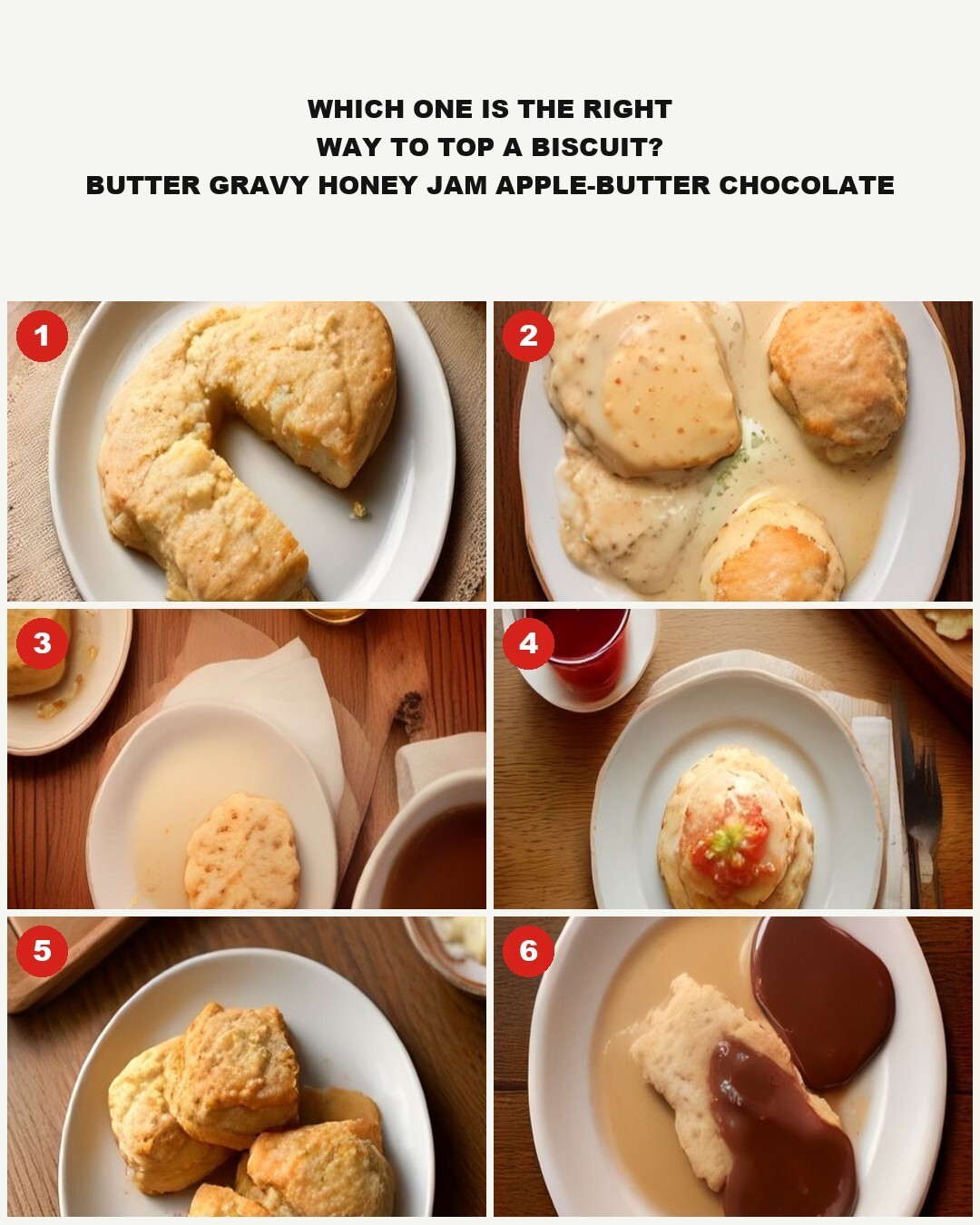
Few baked goods evoke as much warmth, nostalgia, and passionate culinary debate as the humble Southern biscuit. Golden, flaky, and piping hot straight from the oven, a proper buttermilk biscuit is a masterpiece of baking science. Yet, as iconic as the biscuit itself may be, the true argument begins the moment it hits the dinner table: what is the single best way to top it?
Ask a room full of food lovers and you will spark an immediate, spirited discussion. Some insist that a simple slab of salted real butter is perfection, while others swear a biscuit is merely a vehicle for rich sausage gravy. From sweet floral honey and tart fruit jam to spiced apple butter and rich Southern chocolate gravy, regional traditions run deep.
What is the story behind these distinct topping styles? How did regional history, Southern foodways, and family traditions shape the way we eat biscuits today?
In this comprehensive culinary guide, we explore the origins and science behind the six major biscuit topping traditions, share essential baking tips for crafting the ultimate fluffy biscuit, examine the economic foodways of Southern cooking, and settle the ultimate biscuit debate once and for all.
The Origins of the Southern Biscuit: From Humble Roots to Comfort Food Standard
To appreciate why biscuit toppings inspire such fierce loyalty, one must understand the evolution of the biscuit in American food history.
Prior to the 19th century, soft-wheat flour was a luxury reserved primarily for wealthy households. Early American bread baking relied heavily on cornmeal and coarse grains. However, two major innovations in the mid-1800s changed American baking forever:
The Invention of Commercial Chemical Leavening: The arrival of baking powder and baking soda allowed home cooks to bake light, fluffy bread quickly without waiting hours for yeast to rise.
Soft Red Winter Wheat: Grown extensively throughout the American South, soft red winter wheat contained lower protein and gluten levels than northern hard wheat. This delicate flour yielded tender, layered, and flaky biscuits that became a daily staple of Southern meal times.
Because biscuits were baked fresh every morning and evening, households developed creative ways to pair them with local fats, preserves, drippings, and syrups—giving birth to iconic regional topping traditions.
Exploring the 6 Great Biscuit Topping Styles
Whether served at breakfast, Sunday dinner, or a holiday brunch, biscuit toppings generally fall into six beloved categories. Each offers a unique flavor profile rooted in traditional cooking techniques.
1. Pure Melted Butter
The purist’s ultimate choice. High-quality salted butter melting into every steaming, flaky layer allows the natural flavor of buttermilk and baked wheat to shine without distraction.
2. Savory Sausage Gravy (Sawmill Gravy)
A hearty Southern breakfast staple. Made by whisking flour into pan drippings from browned pork sausage, adding whole milk, and seasoning generously with coarse black pepper, this rich gravy transforms a biscuit into a comforting, high-protein meal.
3. Golden Honey
Sweet, floral, and sticky, honey melts instantly into warm biscuits. The contrast between salty, buttery layers and natural sweetness creates a timeless flavor combination loved across generations.
4. Fruit Jam, Jelly, and Preserves
Bright, tart, and fruity, fruit jams—such as strawberry, blackberry, peach, or raspberry—bring a refreshing acidity that cuts through the rich fat of a baked biscuit, making it a breakfast favorite.
5. Spiced Apple Butter
A slow-cooked autumn tradition. Made by simmering fresh apples with cider, cinnamon, cloves, and brown sugar until dark and caramelized, apple butter offers a rich, spiced sweetness with deep historical roots in Appalachian cooking.
6. Southern Chocolate Gravy
A unique, regional delicacy beloved across the Ozarks and Southern Appalachia. Made from cocoa powder, sugar, flour, butter, and milk, this warm, smooth dessert-style gravy turns a morning biscuit into an unforgettable sweet treat.
The Science of the Perfect Flaky Biscuit
No matter which topping you prefer, a great topping requires an equally exceptional biscuit. Achieving tall, tender, pull-apart layers comes down to mastering a few fundamental culinary principles:
Keep Ingredients Cold: Cold butter is crucial. As cold butter cubes melt inside the hot oven during baking, they create steam pockets that expand, creating distinct, flaky layers.
Do Not Overwork the Dough: Handling dough too much activates gluten proteins, resulting in tough, rubbery biscuits rather than light, tender ones.
Use a Sharp Biscuit Cutter: Press the biscuit cutter straight down into the dough without twisting. Twisting seals the edges of the dough, preventing the biscuits from rising to their full height in the oven.
Bake at High Heat: Baking at high temperatures (typically 425°F to 450°F) ensures rapid steam expansion and creates a beautiful golden-brown top crust.
Household Budgeting and the Value of Scratch Cooking
Beyond comfort and flavor, biscuits and homemade gravy have long been celebrated for their economic intelligence. For families looking to stretch their household food budgets, mastering simple scratch baking offers clear financial advantages:
1. Ultra-Low Cost Per Portion
Basic biscuit dough relies on inexpensive, pantry-stable staples: flour, baking powder, salt, butter, and milk or buttermilk. Making a batch of 12 fresh biscuits costs a fraction of buying pre-packaged canned or frozen alternatives.
2. Eliminating Food Waste
Pan gravy traditions arose out of a frugal desire to utilize every bit of flavor from pan drippings, leftover meats, and excess milk before spoiling.
3. Versatile Meal Planning
Biscuits can be served as a breakfast main course, a side dish for dinner stews and fried chicken, or adapted into quick shortcake desserts, providing tremendous meal versatility for busy households.
Fascinating Facts About Biscuit History
Why It’s Called “Sawmill Gravy”: White sausage gravy earned the name “sawmill gravy” because early lumber camp workers relied on it as an affordable, energy-dense meal. Critics jokingly claimed the liberal use of black pepper tasted like sawdust from the mill.
Hardtack vs. Modern Biscuits: Early military “biscuits” were hard, unleavened cracker-like rations built solely for shelf life, looking nothing like today’s soft, risen Southern buttermilk biscuits.
The Apple Butter Tradition: Appalachian communities historically gathered in autumn to stir massive copper kettles of apple butter over open wood fires for hours, creating a sweet preserve that would last through long winter months.
Conclusion: Which Topping Reigns Supreme?
At the end of the day, there is no wrong answer in the great biscuit topping debate. Whether you crave the rich comfort of sausage gravy on a chilly morning, the simple luxury of warm butter, or the sweet nostalgia of homemade jam or chocolate gravy, every option celebrates the timeless joy of home cooking.
Understanding the heritage behind these delicious traditions reminds us that food is about more than just sustenance—it is about family, community, and sharing comfort around the table.
Frequently Asked Questions (FAQ)
What is the secret to making biscuits rise high?
The secret is using cold butter, adding baking powder for leavening, and folding the dough over itself several times before cutting to create multiple laminated layers.
What is the difference between Southern biscuits and British scones?
While similar, Southern biscuits generally contain more fat (butter or lard) and buttermilk, resulting in a flakier, saltier texture. British scones typically contain sugar, eggs, and less fat, making them denser and sweeter.
How do you store leftover baked biscuits?
Store leftover biscuits in an airtight container at room temperature for up to 2 days, or freeze them wrapped tightly for up to 3 months. Reheat in a warm oven for best results.
What causes chocolate gravy to thicken?
Chocolate gravy thickens using a simple roux method: whisking flour and cocoa powder with sugar and hot milk over heat until starch granules expand and create a smooth sauce.
Can you use self-rising flour for biscuits?
Yes! Self-rising flour already contains baking powder and salt pre-mixed, making it a convenient base for quick 3-ingredient biscuit recipes when combined with butter and buttermilk.
