
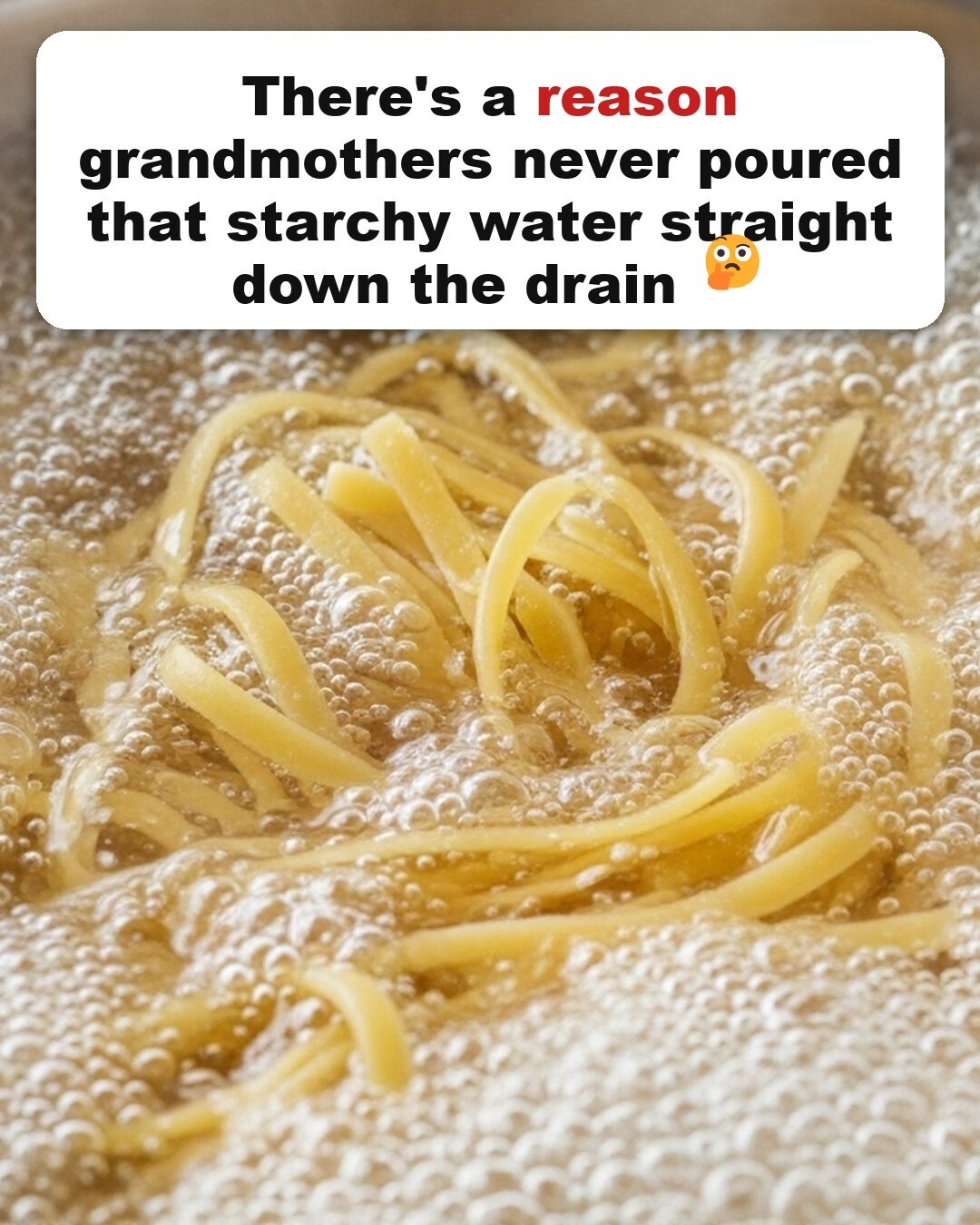
For generations, the standard cooking routine after boiling a fresh pot of spaghetti, fettuccine, or penne has been completely routine. You walk over to the kitchen sink, dump the boiling contents into a colander, and watch as all that cloudy, steaming hot water washes directly down the drain. To most home cooks, that leftover liquid seems like nothing more than useless wastewater.
However, professional chefs, traditional Italian nonnas, and seasoned home culinary experts view that cloudy liquid as something entirely different: “liquid gold.”
Pouring your pasta water down the sink isn’t just a missed culinary opportunity—it might actually be holding your home cooking back from reaching restaurant-quality levels. Beyond its unbelievable power in the kitchen, starchy cooking water has surprising household, garden, and cleaning uses that traditional homemakers have relied on for decades.
In this comprehensive guide, we will unpack the science behind starchy pasta water, explain why dumping it is a major mistake, and detail all the clever ways you can start repurposing it today to elevate your cooking and streamline your kitchen routine.
The Culinary Science Behind “Liquid Gold”
To understand why pasta water is so valuable, it helps to look at what actually happens during the boiling process.
Dry pasta is made primarily from flour—usually high-protein durum wheat semolina—and water. As the dry noodles submerge and cook in boiling water, two crucial transformations take place:
Starch Gelatinization: The starch granules inside the pasta absorb water, swell, and eventually burst, releasing amylose and amylopectin molecules into the surrounding liquid.
Salt Infusion: Salt added to the boiling water penetrates the pasta, seasoning it from the inside out while lightly seasoning the water itself.
The result of this process is a pot full of cloudy, warm, starch-rich liquid that acts as a natural emulsifier and thickening agent. When added back to sauces, this starchy emulsion binds fats and liquids together, creating a silky, cohesive texture that coats noodles evenly rather than pooling at the bottom of the bowl.
5 Reasons Dumping Pasta Water Ruins Your Dinners
If you have ever wondered why your home-cooked pasta dishes don’t quite match the rich, velvety quality of authentic Italian restaurants, the missing ingredient might literally be running down your drain. Here is how keeping that water transforms your meals:
1. It Emulsifies and Binds Sauces
Oil and water naturally repel each other. When you make a sauce using butter, extra virgin olive oil, or pancetta fat, it tends to separate from tomato sauces or broth. The starch in pasta water acts as a bridge between fat and liquid, creating a smooth, stable emulsion. Classic dishes like Cacio e Pepe, Carbonara, and Aglio e Olio rely entirely on pasta water to create their signature creamy sauce without needing heavy cream.
2. It Helps Sauce Adhere to Noodling
Have you ever served a plate of pasta only to find a watery puddle at the bottom while the noodles remain dry? Adding starchy water helps the sauce cling to every groove and strand of the pasta, ensuring every bite is fully coated and flavorful.
3. It Controls Sauce Thickness Without Changing Taste
If a simmered tomato sauce or pesto turns out too thick or paste-like, thinning it out with plain tap water will dilute the flavor. Pasta water adjusts the viscosity while maintaining the rich, seasoned depth of your dish.
4. It Perfects the “Mantecatura” Process
In Italian cooking, mantecatura refers to the final step where cooked pasta is tossed vigorously with its sauce, cheese, fat, and a splash of starchy water over light heat. This rapid tossing whips air into the mixture, creating a creamy finish without heavy additives.
5. It Corrects Seasoning Balances
Because pasta water is salted, adding a splash toward the end of cooking seasons the dish gradually, enhancing the natural flavors of herbs, garlic, and cheeses.
Creative Non-Culinary Uses for Leftover Pasta Water
The magic of pasta water isn’t limited to delicious sauces. Long before modern household products existed, clever home cooks used every resource available. Once your leftover pasta water cools down, it can serve several unexpected purposes around the house:
Natural Plant Fertilizer
Once completely cooled to room temperature, unsalted (or very lightly salted) pasta water acts as a nutrient boost for house and garden plants. The dissolved minerals, starch, and trace nutrients act as a gentle soil feeder, stimulating beneficial microbial growth in plant beds. (Note: Avoid using water with high salt concentrations on potted plants, as excess sodium can harm delicate roots).
Pre-Soaking Stubborn Pots and Pans
Starch acts as a mild natural surfactant. Pouring warm, starchy water over dirty pans with baked-on food helps break down grease and loosen residue, making your dishwashing routine much easier without harsh chemicals.
Making Homemade Bread and Pizza Dough
If you bake artisan bread, focaccia, or pizza dough, substitute plain tap water with cooled, salted pasta water. The residual starches promote better yeast fermentation, yielding a softer crumb and a beautifully crisp outer crust.
Soaking Dried Legumes and Beans
Accelerate the soaking process for dried beans, lentils, or chickpeas by soaking them in warm, leftover cooking liquid overnight. The starch softens bean skins, resulting in faster cooking times and creamier textures.
Step-by-Step: How to Save and Use Pasta Water Like a Chef
Saving and applying pasta water properly requires just a small tweak to your normal kitchen workflow. Follow this simple guide to master the technique:
Salt the Water Appropriately: Add enough salt to your boiling water so it tastes mildly like ocean water. This ensures both your pasta and the saved liquid are properly seasoned.
Avoid Excess Water: Cook your pasta in slightly less water than usual. A higher ratio of pasta to water concentrates the starch, giving you a richer, cloudier liquid.
Scoop Before Draining: Before pouring anything out, use a heat-proof measuring cup or ladle to scoop out 1 to 2 cups of cooking liquid and set it aside.
Use a Spider Strainer or Tongs: Instead of dumping the pot into a sink colander, use tongs or a slotted spoon to transfer noodles directly into your simmering sauce pan.
Simmer and Toss: Add a splash (roughly 2 to 4 tablespoons) of your reserved water directly into the pan with the sauce and noodles. Toss continuously over medium heat for 1 to 2 minutes until the liquid reduces into a glossy glaze.
Financial and Household Smart Tips
Repurposing cooking liquids fits seamlessly into a modern, conscious home management strategy. Taking advantage of small everyday efficiencies helps reduce household waste and lowers food prep costs over time:
Lower Food Bills: Using pasta water eliminates the need to buy high-cost thickening agents, heavy creams, or canned sauce enhancers.
Eco-Friendly Kitchen Habits: Reusing gray water for household cleaning or plant care conserves domestic water usage.
Preventing Plumbing Issues: Pouring thick fats or boiling grease down the drain can cause plumbing clogs. Combining warm starchy water with mild dish soap helps suspend lipids so they flush safely through home drainage pipes.
Interesting Facts About Pasta and Culinary History
The Origin of Cacio e Pepe: Roman shepherds historically carried dried pasta, aged pecorino cheese, and black pepper on long journeys. They relied exclusively on starchy pasta water to transform those three shelf-stable ingredients into a rich sauce.
Durum Wheat Starch: Durum wheat—used in premium pasta—contains high levels of amylose starch, making its cooking water far more effective at emulsifying than white rice water or regular grain water.
The “Cold Water Start” Myth: While some modern recipes advocate starting pasta in cold water to save time, traditional boiling yields a much higher starch concentration in the liquid.
Conclusion: Make “Liquid Gold” a Daily Kitchen Habit
Upgrading your cooking doesn’t require expensive gadgets, exotic ingredients, or advanced culinary degrees. Often, the secret to world-class flavor comes down to mastering simple, time-tested habits that generations before us understood intuitively.
The next time you prepare a cozy pasta dinner for your family, pause before heading to the sink. Ladle out a cup of that rich, starchy cooking liquid, toss it into your favorite sauce, and experience the incredible difference for yourself. Your tastebuds—and your dinner guests—will thank you!
Frequently Asked Questions (FAQ)
Can I save pasta water in the refrigerator for later use?
Yes! You can store leftover pasta water in a sealed glass jar in the refrigerator for up to 3 to 4 days. Reheat it slightly before stirring it into leftover sauces or soups to restore its liquid consistency.
Can I freeze leftover pasta water?
Absolutely. Pour cooled pasta water into an ice cube tray and freeze it. Once frozen, transfer the cubes to a freezer bag. You can pop a few starchy cubes directly into simmering gravies, stews, or soups whenever you need a quick thickener.
Is pasta water safe for all house plants?
It is safe as long as the water is unsalted or extremely lightly salted, and completely cooled to room temperature. Highly salted water can cause sodium buildup in pot soil, which harms indoor plants.
What should I do if my sauce gets too runny after adding pasta water?
Simply keep the pan over medium heat and toss the noodles continuously. The excess moisture will evaporate in 1 to 2 minutes, leaving behind a thick, glossy sauce.
Does gluten-free pasta water work the same way?
Yes! Gluten-free pasta made from brown rice, corn, or chickpeas releases plenty of starch into the water during boiling, making it equally effective for emulsifying sauces.
