
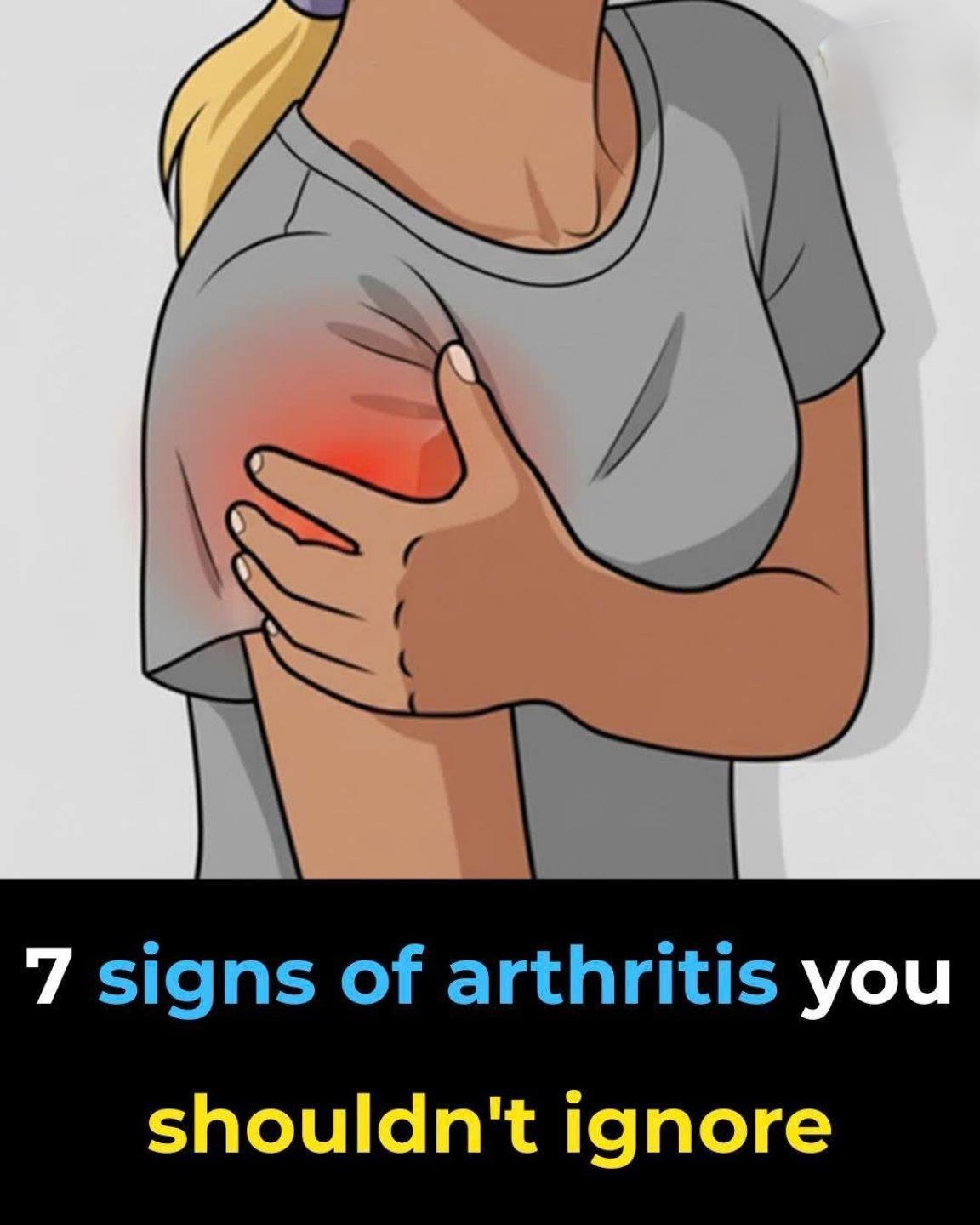
Arthritis is one of the leading causes of joint discomfort and mobility loss worldwide, affecting individuals of all ages. While many people associate joint issues strictly with older age, inflammation and wear within the joints can develop gradually over time.
Recognizing early warning signs gives you the opportunity to seek appropriate guidance, adapt daily habits, and protect joint mobility before stiffness and discomfort progress.
Below is an overview of the key signs of arthritis and best practices for supporting overall joint health.
Joint Health & Early Warning Signs Overview
+-------------------------------------------------------------------+
|                  EARLY ARTHRITIS SIGNS & CARE MATRIX             |
|                                                                   |
|  [ CORE SYMPTOMS ]   • Joint pain, swelling, and morning stiffness|
|  [ MOBILITY IMPACT ] • Decreased flexibility & range of motion   |
|  [ LIFESTYLE CARE ]  • Low-impact exercise & anti-inflammatory   |
|                        nutrition                                  |
+-------------------------------------------------------------------+
Key Highlights of Early Arthritis Signs:
-
Morning Stiffness: Persistent stiffness in the shoulders, hands, knees, or hips upon waking that takes 30 minutes or longer to ease up.
-
Joint Swelling & Tenderness: Visible puffiness or tenderness around the joint capsule caused by fluid buildup or tissue inflammation.
-
Reduced Range of Motion: Difficulty fully extending or bending joints during normal daily activities like reaching overhead or climbing stairs.
-
Grating or Clicking Sensations: A grinding feeling or popping sound (crepitus) when moving the affected joint.
7 Warning Signs to Watch For
1. Persistent Joint Pain
A dull ache or sharp pain during or after movement that lingers over several weeks.
2. Visible Swelling and Warmth
Inflammation can cause the skin surrounding the affected joint to look puffy and feel warm to the touch.
3. Morning Stiffness
Feeling tight or rigid upon waking that gradually improves with gentle movement throughout the morning.
4. Limited Flexibility and Mobility
Finding it increasingly challenging to perform routine tasks, such as turning your neck, buttoning a shirt, or squatting.
5. Joint Instability or Weakness
A feeling that a joint might give way or support less weight than usual.
6. Popping or Grinding (Crepitus)
Audible or physical friction within the joint due to cartilage changes over time.
7. Symmetry in Discomfort
In inflammatory conditions like rheumatoid arthritis, symptoms often affect the same joints on both sides of the body (e.g., both shoulders or wrists).
Best Practices for Supporting Joint Mobility
-
Engage in Low-Impact Movement: Activities like swimming, walking, and cycling help lubricate joints without placing excessive impact on cartilage.
-
Maintain a Balanced Weight: Managing body weight reduces unnecessary stress on load-bearing joints like hips and knees.
-
Adopt Joint-Friendly Ergonomics: Use supportive seating and proper posture during long work hours to minimize joint strain.
Conclusion
Paying attention to subtle joint changes early on empowers you to maintain active movement and protect long-term mobility.
Frequently Asked Questions (FAQ)
What is the difference between osteoarthritis and rheumatoid arthritis?
Osteoarthritis is primarily caused by mechanical wear and tear on cartilage over time, whereas rheumatoid arthritis is an autoimmune condition where the immune system targets joint linings.
Can exercise help with arthritis stiffness?
Yes, gentle low-impact exercises strengthen surrounding muscles, improve joint flexibility, and reduce morning stiffness.
