
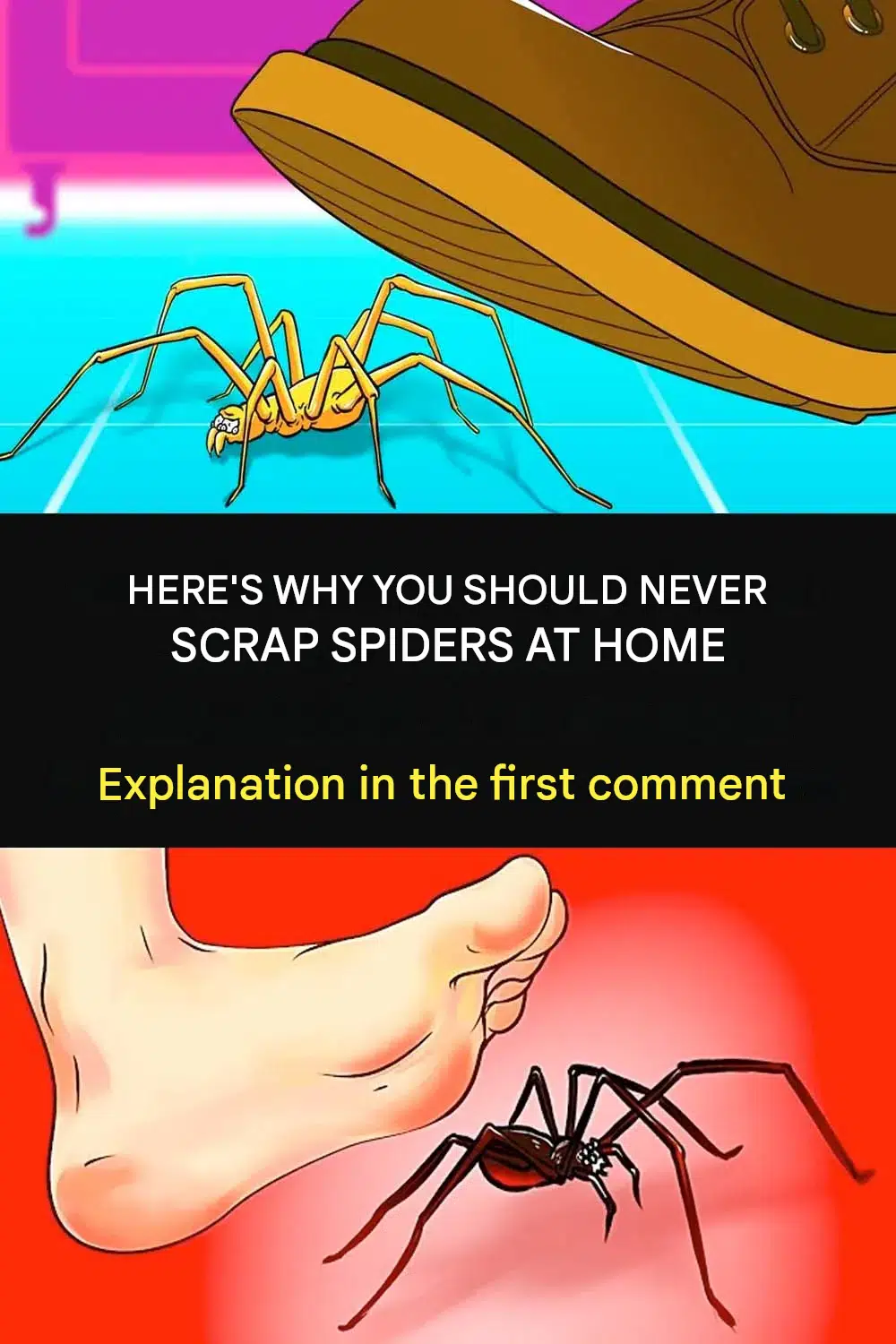
For many homeowners, seeing an eight-legged visitor scurrying across the living room floor or hanging from a corner in the bathroom triggers an immediate instinct: grab a shoe, a rolled-up newspaper, or a tissue and squash it. Arachnophobia is one of the most common human fears, and the knee-jerk reaction to eliminate spiders from our living spaces is understandable. However, entomologists, pest control specialists, and environmental scientists overwhelmingly agree that crushing spiders inside your house is a major mistake.
Far from being dangerous invaders, the vast majority of indoor spiders are quiet, solitary, and highly beneficial organisms. They act as natural pest controllers, protecting your living space from far more destructive, disease-carrying insects. In this in-depth guide, we explore the ecological science, home health benefits, and practical reasons why you should think twice before stepping on that house spider—along with smart strategies for managing home pests safely.
The Hidden Ecosystem Inside Your Home
It might come as a surprise, but almost every household contains an active micro-ecosystem. No matter how meticulously you clean or how frequently you sanitize your floors, small insects find their way indoors. Flies enter through open doors, mosquitoes slip through window screens, and tiny pests breed in drains, houseplants, or pantry supplies.
Indoor spiders serve as the primary apex predators of this indoor biome. Rather than damaging your property or feeding on your food, they quietly patrol dark corners, basements, wall voids, and ceilings, hunting the organisms that actually threaten your comfort and hygiene.
Common House Spider Species You encounter
Cellar Spiders (Pholcidae): Often called “daddy long-legs,” these thin, spindly creatures are entirely harmless to humans. They build delicate webs in low-traffic areas like basements and garages, catching pests non-stop.
Cobweb Spiders / House Spiders (Theridiidae): These small, brownish spiders construct classic cobwebs in room corners. They are exceptional at capturing flying insects.
Jumping Spiders (Salticidae): Active during the day, these tiny, curious arachnids do not build webs to hunt. Instead, they stalk and pounce on pests like fruit flies, gnats, and silverfish.
5 Scientific Reasons Never to Squish House Spiders
1. They Are Free, Non-Toxic Pest Control
Spiders are generalist predators, meaning they eat almost any nuisance bug they can catch. Their natural diet includes:
Mosquitoes: Transmitters of dangerous viruses and unpleasant bites.
Flies: Carriers of harmful bacteria like E. coli and Salmonella.
Cockroaches: Common allergens that can contaminate kitchen surfaces.
Clothes Moths & Silverfish: Insects that ruin clothing, carpets, and valuable paper documents.
Bed Bugs & Fleas: Parasites that feed on humans and household pets.
By eliminating spiders, you essentially remove your home’s first line of natural defense, opening the door for pest populations to multiply rapidly.
2. Squishing Spiders Can Release Eggs or Attract Other Pests
Squashing certain spider species—particularly female wolf spiders carrying egg sacs—can accidentally scatter hundreds of microscopic spiderlings across your floor. Furthermore, leaving crushed insect remains behind on carpets or floorboards releases organic chemicals that can attract scavengers like ants, carpet beetles, and secondary pests searching for easy food sources.
3. Most House Spiders Cannot Harm Humans
A widespread myth suggests that house spiders are aggressive creatures looking for an opportunity to bite sleeping humans. In reality, spiders have no interest in humans. We are far too large to be prey, and to a spider, a human represents a massive, terrifying predator.
Weak Fangs: The vast majority of house spider species possess fangs that are far too small or weak to pierce human skin.
Mild Venom: Even in the rare event that a house spider manages to bite in self-defense (such as being trapped inside a shoe), their venom is typically harmless to humans, causing nothing more than minor, localized redness similar to a mild mosquito bite.
Reluctant Bite Response: Spiders only bite as an absolute last resort when pressed directly against skin with no avenue for escape.
4. House-Adapted Spiders Keep Outside Pests Away
True “house spiders” have adapted over centuries to thrive in indoor environments with low humidity, stable temperatures, and steady food supplies. Because they establish territories in hidden areas of your house, they create an effective boundary line near doors, windows, and floorboards, trapping outdoor pests before those bugs can colonize your living quarters or kitchen cabinets.
5. You Avoid Unnecessary Exposure to Chemical Pesticides
When people panic over seeing spiders, they often resort to spraying synthetic chemical insecticides inside their homes. Indoor pesticide sprays expose family members, children, and pets to potentially harmful airborne chemicals and toxic residues. Relying on spiders to manage household bugs is a 100% natural, chemical-free solution that protects your family’s health and indoor air quality.
What About Dangerous Spiders? Knowing the Difference
While over 99% of spiders encountered indoors are harmless, it is important for homeowners to recognize the few medically significant species found in specific geographic regions.
+———————————————————————————–+
| MEDICALLY SIGNIFICANT SPIDERS |
+——————-+———————————–+—————————+
| Species | Key Physical Markers | Primary Habitat |
+——————-+———————————–+—————————+
| Black Widow | Glossy black body with a red | Dark, undisturbed areas: |
| | hourglass shape on the belly | sheds, woodpiles, garages |
+——————-+———————————–+—————————+
| Brown Recluse | Dull brown, violin-shaped pattern | Attics, dry basements, |
| | on the head/back section | behind stored boxes |
+——————-+———————————–+—————————+
If you reside in an area where medically significant spiders are native, it is wise to exercise caution when cleaning dark, dusty storage spaces, moving stacked firewood, or putting on shoes that have sat unused in a closet for long periods.
Financial and Home Property Considerations
Maintaining a clean, safe, and bug-free home carries real financial implications for property owners and tenants alike.
1. Homeowners Insurance and Property Damage
Unchecked household pest infestations—such as wood-boring beetles, carpenter ants, or termites—can cause tens of thousands of dollars in structural damage that standard homeowners insurance policies rarely cover. Spiders prey heavily on the smaller insects that signal underlying pest problems. Observing a spike in spider activity often serves as an early warning indicator that your home has excess moisture or an entry point for other insects.
2. Avoiding Costly Extermination Bills
Routine professional pest control services can cost hundreds to thousands of dollars per year. By allowing harmless spiders to maintain equilibrium in lower-level basements and attics, you reduce the need for frequent professional extermination treatments and costly chemical applications.
3. Legal and Medical Security
In the unlikely event of an unidentified pest bite that leads to severe skin irritation or infection, medical expenses can accumulate quickly. Having comprehensive health insurance coverage and consulting qualified medical professionals ensures proper diagnosis, as many alleged “spider bites” are actually bacterial skin infections (like MRSA), flea bites, or contact dermatitis.
How to Safely Deal with Spiders Without Killing Them
If you simply cannot stand the thought of sharing your living space with a spider, squishing it with a shoe is still not the best option. Here are humane, simple, and hygienic ways to manage spiders in your home:
The Classic Glass and Paper Method
Locate the Spider: Wait until the spider stops moving on a flat surface like a wall, floor, or countertop.
Trap It: Place a clear glass or plastic cup upside down over the spider.
Slide the Barrier: Carefully slide a stiff piece of cardboard, thick paper, or an envelope under the opening of the glass, making sure not to trap any of the spider’s legs.
Relocate: Keep the card firmly pressed against the cup, carry it outside, and release the spider near shrubs, gardens, or a wooded area.
Prevention Tips: How to Keep Spiders Out Naturally
If you prefer not to see spiders indoors at all, focus on making your home less attractive to them rather than killing individual ones:
Seal Entry Points: Use caulk and weather stripping to seal gaps around doors, windows, utility lines, and foundation cracks.
Control Lighting: Outdoor porch lights attract swarms of flying insects, creating an all-you-can-eat buffet for spiders. Switch to yellow LED lights or keep outdoor lights off when unnecessary.
Reduce Clutter: Keep floors clear of stacked cardboard boxes, laundry piles, and clutter where spiders like to hide.
Manage Humidity: Use dehumidifiers in basements and crawlspaces. Spiders and their insect prey are attracted to damp, humid environments.
Use Natural Repellents: Essential oils like peppermint, tea tree, and eucalyptus naturally deter spiders due to their strong scents. Mix a few drops with water in a spray bottle and mist along window sills and doorways.
Fascinating Facts About Spiders
Tensile Strength: Spider silk is pound-for-pound stronger than steel and tougher than Kevlar, inspiring advanced materials research in biotechnology and engineering.
Massive Consumption: Scientists estimate that the world’s global spider population consumes between 400 million and 800 million tons of insects every year—far exceeding the weight of meat consumed by humans annually.
Ancient History: Spiders have inhabited Earth for over 380 million years, surviving major mass extinction events long before humans existed.
Precision Web Weavers: A single orb-weaver spider can produce several different types of silk from specialized glands, including sticky silk for capturing prey and non-sticky silk for walking safely across its web.
Conclusion
The next time you spot a spider creeping across your wall or nestled quietly in a corner, resist the urge to squash it. That tiny creature is actively working as a free, eco-friendly, non-toxic exterminator, keeping your home clear of flies, mosquitoes, fleas, and destructive pests.
By understanding the vital role spiders play in household ecosystems and practicing simple relocation methods, you create a healthier living environment for your family while keeping real pest threats at bay.
Frequently Asked Questions (FAQ)
What happens if you relocate an indoor house spider outside?
Some specialized indoor species (Tegenaria domestica, for example) have adapted strictly to indoor climates. Relocating them outdoors during extreme winter freeze or scorching summer heat may reduce their survival chances. However, releasing them into a shelter like a garage, garden shed, or porch provides a good middle ground.
Do spiders enter human beds while people sleep?
This is a common fear, but spiders rarely climb onto beds. Beds offer no food sources for spiders, and human movement, breathing, and vibrations signal danger. Spiders prefer to stay near walls, corners, and hidden spaces where prey travels.
How can I tell if a bug bite is actually from a spider?
True spider bites are rare and typically leave two small, distinct puncture marks close together, accompanied by localized swelling. Most bumps mistaken for spider bites are actually bites from mosquitoes, bed bugs, fleas, or minor skin infections.
Are indoor spiders a sign of a bigger pest problem?
Not necessarily. A few spiders in a home is completely normal. However, if you suddenly notice a dramatic increase in the spider population inside your home, it usually indicates a steady food source—meaning another insect population (like gnats, ants, or flies) has increased nearby.
