
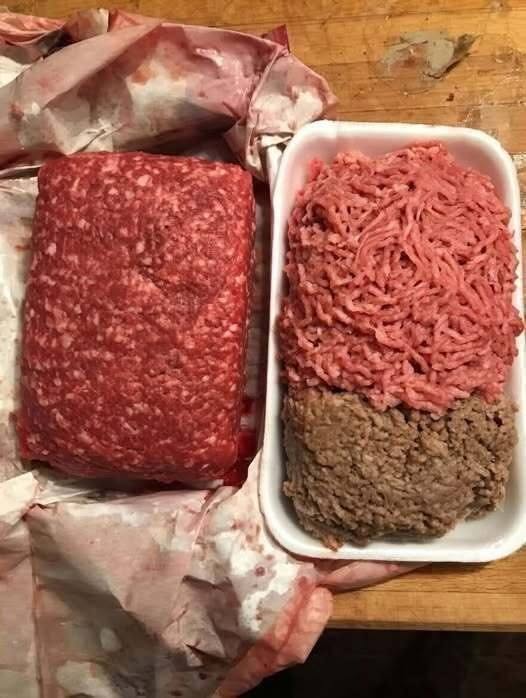
Opening a tray of store-bought ground beef only to find that the interior or bottom layer has turned greyish-brown can raise immediate questions about food safety and freshness. While visual changes in meat can sometimes indicate spoilage, color shifts in packaged ground beef are most often caused by a natural biochemical process called myoglobin oxidation.
Understanding the role of oxygen exposure, myoglobin pigments, and proper food safety indicators helps home cooks prevent food waste, identify genuine spoilage, and shop smart at the butcher counter.
This comprehensive guide breaks down the biological science of meat discoloration, color state comparisons, food safety inspection steps, and practical advice on household budgeting and health protection.
The Biological Science: Oxygen & Myoglobin Pigments
+———————————————————————–+
| MYOGLOBIN OXIDATION PATHWAY |
+———————————————————————–+
| 1. DEOXYMYOGLOBIN –> Purplish-red meat inside vacuum/deep pack |
+———————————————————————–+
|
v
+———————————————————————–+
| 2. OXYMYOGLOBIN –> Bright cherry-red exterior upon air exposure |
+———————————————————————–+
|
v
+———————————————————————–+
| 3. METMYOGLOBIN –> Greyish-brown color due to oxygen depletion |
+———————————————————————–+
1. The Role of Myoglobin Protein
Myoglobin is an iron- and oxygen-binding protein found in the muscle tissue of cattle. It is responsible for the natural color of raw meat. The precise color of ground beef changes depending on whether myoglobin is bound to oxygen, water, or deprived of air.
2. Deep Package Oxygen Depletion
When ground beef is densely packed on a styrofoam tray, the outer surface is exposed to atmospheric oxygen (or oxygen-permeable plastic film), turning it a bright “cherry red” (oxymyoglobin). However, the interior or bottom meat is starved of oxygen, causing the protein to shift into metmyoglobin, which presents as a dull grey or brown hue.
3. Butcher Wrapping vs. Tray Packaging
Traditional butcher-wrapped beef using butcher paper restricts oxygen exposure evenly, maintaining a darker purplish-red tone (deoxymyoglobin). Tray-packed supermarket beef often displays dramatic color contrast between the airy exterior and dense interior without indicating spoilage.
Meat Color State Comparison Table
+——————–+———————–+———————–+
| Chemical State | Visual Color | Oxygen Exposure Level |
+——————–+———————–+———————–+
| Deoxymyoglobin | Purplish / Deep Red | Vacuum / Zero Oxygen |
| Oxymyoglobin | Bright Cherry Red | High Oxygen Exposure |
| Metmyoglobin | Greyish-Brown | Depleted / Low Oxygen |
+——————–+———————–+———————–+
Step-by-Step Food Safety and Freshness Checklist
Follow these essential steps to determine if brown or grey ground beef is completely safe to cook:
+———————————————————————–+
| GROUND BEEF SAFETY CHECKLIST |
+———————————————————————–+
| Step 1: Check the smell; fresh beef has a mild, neutral iron scent. |
| Step 2: Touch the meat texture; fresh beef is firm & moist. |
| Step 3: Reject if meat feels slimy, sticky, or tacky to the touch. |
| Step 4: Discard immediately if you detect sour, ammonia, or rancid odor|
| Step 5: Cook ground beef to an internal temperature of 160°F (71°C). |
+———————————————————————–+
Perform the Smell Test: Fresh ground beef has a very subtle, metallic or iron-like aroma. If the meat emits a sour, pungent, ammonia-like, or putrid odor, bacterial spoilage has occurred and it must be discarded.
Evaluate the Tactile Texture: Touch the surface of the meat. Fresh ground beef breaks apart cleanly and feels damp. Spoilage bacteria create a slippery, sticky, or slimy biofilm across the surface.
Inspect the Entire Surface: If the entire exterior of the ground beef has turned grey or brown (rather than just the inner core), oxygen exposure or microbial degradation has progressed, indicating the meat is past its prime.
Practice Proper Temperature Control: Always store raw ground beef at or below 40°F (4°C) in the refrigerator and use it within 1 to 2 days of purchase, or freeze it in airtight freezer wrap for up to 4 months. Always cook ground beef thoroughly to an internal temperature of 160°F (71°C).
Home Management, Household Budgeting, and Financial Health
Understanding food science prevents premature disposal of good groceries, directly supporting smart household money management.
Smart Home Budgeting & Food Waste Reduction
Throwing away perfectly safe ground beef simply because the interior turned grey drains your monthly grocery budget. Differentiating between natural oxidation and actual microbial spoilage saves money at the checkout line and in the kitchen. Managing your food budget intentionally allows families to conserve capital to build emergency savings accounts, pay off high-interest credit card debt, or allocate funds toward long-term financial investments.
Foodborne Illness Prevention and Health Insurance Protection
Handling raw meats with strict hygiene—separating cutting boards, refrigerating promptly, and cooking to safe internal temperatures—prevents foodborne illnesses caused by pathogens like E. coli or Salmonella. Combining safe kitchen practices with routine preventive health checkups covered by your health insurance provider safeguards both your family’s physical health and personal financial peace of mind.
Frequently Asked Questions (FAQ)
Is grey ground beef safe to eat?
Yes, if the grey color is confined to the interior or bottom where oxygen was limited, and the meat smells fresh and feels firm (not slimy). If the outer surface is completely grey or smells sour, discard it.
Why does ground beef turn brown in the freezer?
Freezer burn occurs when air penetrates the packaging, dehydrating the surface of the meat and oxidizing the myoglobin protein. While freezer-burned meat is safe to eat, it may have a dry texture and stale flavor.
Conclusion
Ground beef turning grey or brown on the inside is a normal result of oxygen depletion, not an automatic sign of spoilage. Trust your senses—rely on smell and texture alongside color to keep your kitchen safe and eliminate food waste!
