
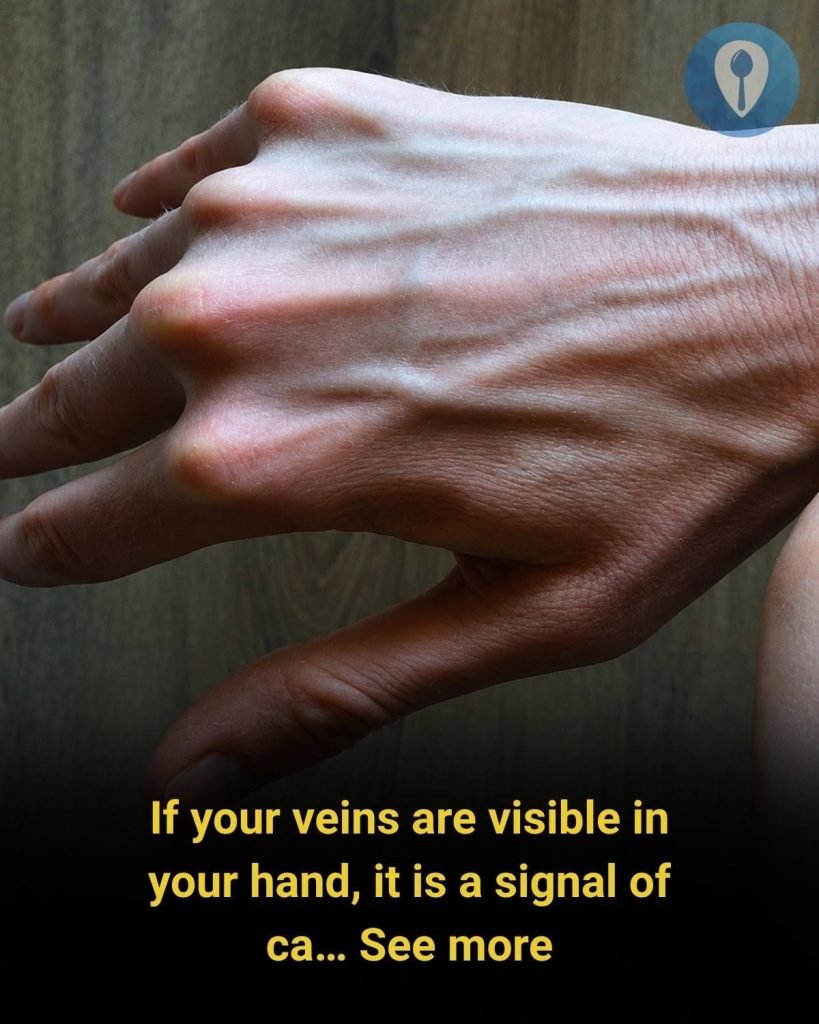
It is common to glance down at your hands and notice a prominent network of blue, green, or raised veins bulging under the skin. For some individuals, visible hand veins develop gradually over time, while for others, they seem to pop up suddenly after a workout, during hot weather, or as a natural part of the aging process.
While viral social media posts often attempt to spark alarm by claiming that visible hand veins indicate severe systemic illnesses or underlying medical crises, the medical reality is far more benign in the vast majority of cases. In most instances, bulging hand veins are a completely normal physiological phenomenon related to low body fat, natural aging, genetics, or temporary changes in blood pressure and body temperature.
However, because hand veins are part of your broader circulatory system, understanding the mechanisms behind vascular visibility is crucial for overall health awareness. In this comprehensive article, we will examine why veins become visible in your hands, distinguish benign causes from potential cardiovascular concerns, outline preventative wellness habits, and explore the financial, health insurance, and legal protections essential for long-term health planning.
The Anatomy of Hand Veins: How Peripheral Circulation Works
To understand why veins stand out on the back of the hand, it is helpful to look at how blood flows through the upper extremities.
Superficial vs. Deep Veins
The circulatory system in your hands and arms consists of two main networks of veins:
Deep Veins: Located deep within muscular tissue and running alongside major arteries, these vessels carry the majority of venous blood back toward the heart.
Superficial Veins: Located just beneath the skin’s surface in the subcutaneous tissue layer. The dorsal venous network—the web of veins visible on the back of your hand—belongs to this superficial system.
Superficial hand veins lack thick surrounding muscle tissue to cover them. Consequently, any reduction in the layer of subcutaneous fat lying over these vessels, or any temporary surge in localized blood volume, causes them to press upward against the skin, making them prominently visible.
7 Primary Reasons Your Hand Veins Are Visible
In most cases, visible hand veins are the result of normal biological variation or physiological adaptations. Here are seven primary reasons why your veins may bulge:
1. Low Body Fat Percentage
Subcutaneous fat serves as a natural cushion that sits between your skin and your underlying muscles and blood vessels. Individuals who have a low body fat percentage—such as athletes, runners, or naturally lean individuals—have a much thinner layer of subcutaneous tissue. Without this fat layer to obscure them, the dorsal veins on the hands naturally press close to the surface and become clearly defined.
2. Natural Aging and Loss of Skin Elasticity
As we age, our body naturally undergoes structural changes that make hand veins far more noticeable:
Collagen Depletion: Skin gradually loses collagen and elastin, causing it to become thinner, more fragile, and less opaque.
Fat Loss: Subcutaneous fat pads in the hands naturally atrophy over time.
Vascular Elasticity: Aging vein walls lose elasticity, allowing blood to pool slightly within superficial vessels, which causes them to enlarge.
3. Physical Exercise and Increased Blood Pressure
When you engage in physical activity—especially strength training, weightlifting, or vigorous upper-body exercise—your muscles require increased oxygen and nutrients.
Vasodilation: Blood pressure rises temporarily, and arteries expand to deliver extra blood to working muscles.
Muscle Pumping: Contracting muscles push plasma fluid into surrounding tissues, causing muscles to swell and press superficial veins against the underside of the skin, creating a temporary “pumped” or bulging look.
4. Hot Weather and High Environmental Temperatures
During warm summer months or hot baths, your body uses its vascular system to regulate internal body temperature. Blood vessels undergo vasodilation, expanding in diameter to allow more warm blood to flow near the skin’s surface where heat can dissipate into the surrounding air. This heat-induced expansion causes hand veins to dilate and appear enlarged.
5. Genetics and Heredity
Genetics plays a major role in determining skin thickness, vessel structure, and subcutaneous fat distribution. If your parents or grandparents had prominent, visible hand veins, you are far more likely to inherit the same anatomical traits.
6. Superficial Thrombophlebitis and Blood Clots
While most visible veins are harmless, a sudden, painful, hard, or red bulging vein can occasionally indicate superficial thrombophlebitis—an inflammation of a superficial vein caused by a small blood clot. This often occurs following an intravenous (IV) catheter line insertion, minor tissue trauma, or localized inflammation. While less severe than a Deep Vein Thrombosis (DVT), thrombophlebitis requires clinical evaluation.
7. Chronic Venous Insufficiency (CVI)
Although far more common in the lower legs, chronic venous insufficiency occurs when tiny one-way valves inside veins become weak or damaged. When valves fail to close properly, gravity pulls blood backward, causing venous pooling, swelling, and twisted varicosities. When CVI affects the upper extremities, veins may remain continuously dilated.
When Should You Seek Medical Attention for Hand Veins?
While visible hand veins are rarely dangerous, certain “red flag” symptoms warrant a visit to a primary care doctor, vascular specialist, or cardiologist:
Sudden Pain or Tenderness: Severe or throbbing pain along a specific vein line.
Localised Redness, Warmth, or Swelling: The vein feels hard, warm to the touch, or looks like a raised red cord.
Unilateral Swelling: Significant, unprovoked swelling that affects only one hand or arm, which could signal a deeper circulatory obstruction.
Open Skin Sores or Ulcers: Any skin breakdown or ulceration near bulging veins.
Coldness, Numbness, or Tingling: Loss of sensation or persistent coldness in the fingertips, which may indicate arterial insufficiency or nerve compression.
Medical and Cosmetic Options for Bulging Hand Veins
For individuals who feel self-conscious about the aesthetic appearance of prominent hand veins, modern dermatology and vascular medicine offer several safe, effective treatment solutions:
1. Sclerotherapy
During sclerotherapy, a specialized medical doctor injects a mild chemical solution (sclerosant) directly into the prominent superficial vein. The solution causes the targeted vein wall to irritate, collapse, and close. Over a few weeks, the body naturally reabsorbs the closed vessel tissue, re-routing blood flow through deeper, non-visible veins.
2. Endovenous Laser or Radiofrequency Ablation
For larger superficial veins, precise thermal energy delivered via laser fiber or radiofrequency catheter seals the target vessel from within, causing it to fade over time.
3. Dermal Fillers for Hand Rejuvenation
Because hand vein visibility is often caused by loss of subcutaneous tissue volume, cosmetic dermatologists frequently inject hyaluronic acid or calcium hydroxylapatite dermal fillers under the skin of the back of the hand. This restores youthful volume, plumping the tissue layer to smoothly cover underlying veins and tendons.
Financial, Health Insurance, and Legal Considerations in Vascular Care
Navigating medical evaluations, potential vascular treatments, and long-term health management involves practical insurance and legal planning.
Understanding Health Insurance Coverage
Understanding the distinction between medical necessity and cosmetic procedures is crucial when filing health insurance claims:
Cosmetic Procedures: Health insurance plans typically classify treatments for hand veins performed purely for aesthetic reasons (such as hand fillers or elective sclerotherapy) as cosmetic, requiring 100% out-of-pocket payment.
Medically Necessary Treatments: If treatment is required for documented medical conditions—such as symptomatic thrombophlebitis, vascular malformations, severe pain, or severe venous insufficiency—health insurance plans generally cover diagnostic consultations, vascular ultrasound imaging, and corrective procedures.
Disability Insurance and Income Protection
Severe peripheral vascular diseases or circulatory complications affecting hand mobility can impact an individual’s ability to work. Maintaining active short-term and long-term disability insurance guarantees continuous financial income if occupational impairment occurs during treatment or recovery.
Legal Directives and Estate Planning
As part of comprehensive healthcare management, establishing essential legal instruments ensures peace of mind during medical contingencies:
Medical Power of Attorney: Designates a trusted advocate to make healthcare decisions on your behalf if you are temporarily incapacitated during surgery or acute illness.
Financial Power of Attorney: Authorizes a representative to manage bank accounts, business affairs, and household bills during an extended hospital stay.
Advanced Healthcare Directives: Specifies your explicit preferences regarding emergency medical interventions and long-term care plans.
Practical Tips for Maintaining Healthy Circulation
To support strong, elastic blood vessels and healthy overall circulation, incorporate these daily habits:
Stay Adequately Hydrated: Drinking plenty of water maintains healthy blood volume and fluid balance, preventing veins from becoming overly prominent due to dehydration.
Protect Hands with Sunscreen: Apply broad-spectrum SPF 30+ sunscreen to the backs of your hands daily. Sun damage breaks down skin collagen, accelerating skin thinning and making veins more visible.
Moisturize Regularly: Use rich hydrating lotions containing ceramides or hyaluronic acid to maintain skin barrier strength and flexibility.
Elevate Hands Periodically: If your hands feel heavy or swollen after long periods of typing or hot weather, raise your hands above heart level for a few minutes to encourage venous drainage back toward the heart.
Maintain a Balanced Diet: Eat foods rich in vitamin C, flavonoids, and antioxidants (such as citrus fruits, berries, and leafy greens) to support collagen synthesis and strengthen capillary walls.
Fascinating Facts About Human Veins
Vast Vascular Network: If all the veins, arteries, and capillaries in an adult human body were linked end-to-end, they would stretch for approximately 60,000 miles!
One-Way Valves: Unlike arteries, which rely on direct pressure from the heart’s pumping action, veins contain microscopic one-way flap valves that prevent blood from flowing backward under the pull of gravity.
Unique Vascular Patterns: The network of superficial veins on the back of your hand is completely unique to you—so much so that vascular hand vein biometric scanning is used as a highly secure identity verification method in advanced security technology!
Conclusion
Visible hand veins are almost always a completely normal, healthy sign of low body fat, natural skin thinning, genetics, or temporary temperature changes. While internet rumors frequently link bulging hand veins to serious organ failure or medical emergencies, clinical science reassures us that visible superficial veins are simply a reflection of how our peripheral circulatory system operates.
By monitoring for rare red-flag symptoms like localized pain, redness, or swelling, maintaining good skin hydration, protecting hands against UV exposure, and securing adequate health insurance coverage, you can maintain optimal vascular health, functional vitality, and peace of mind.
Frequently Asked Questions (FAQ)
Are visible hand veins a sign of a high-risk heart condition?
In the vast majority of cases, no. Visible hand veins are superficial vessels that stand out due to thin skin, low body fat, heat, or aging. They are rarely linked to systemic heart disease unless accompanied by widespread swelling, shortness of breath, or severe pain.
Why do my hand veins bulge more in hot weather?
In hot conditions, blood vessels undergo vasodilation—expanding in size to bring warm blood closer to the skin surface to help cool the body down. This temporary dilation causes hand veins to look larger and more raised.
Can exercise make hand veins permanently visible?
Regular strenuous exercise, especially strength training, reduces subcutaneous body fat and expands baseline blood vessel capacity. While veins bulge most intensely during a workout due to elevated blood pressure, lean fitness levels can make veins remain moderately visible at rest.
Will health insurance pay for hand vein removal?
If hand vein removal is performed purely for cosmetic reasons to improve appearance, insurance will not cover it. However, if treatment is required for documented painful thrombophlebitis or severe medical vein conditions, insurance plans typically cover diagnostic exams and necessary procedures.
How can I make the skin on my hands look thicker and younger?
Applying daily broad-spectrum sunscreen, using retinol or peptide-based hand creams, staying hydrated, and considering cosmetic dermal fillers can restore lost skin volume and reduce the visual prominence of hand veins.
