
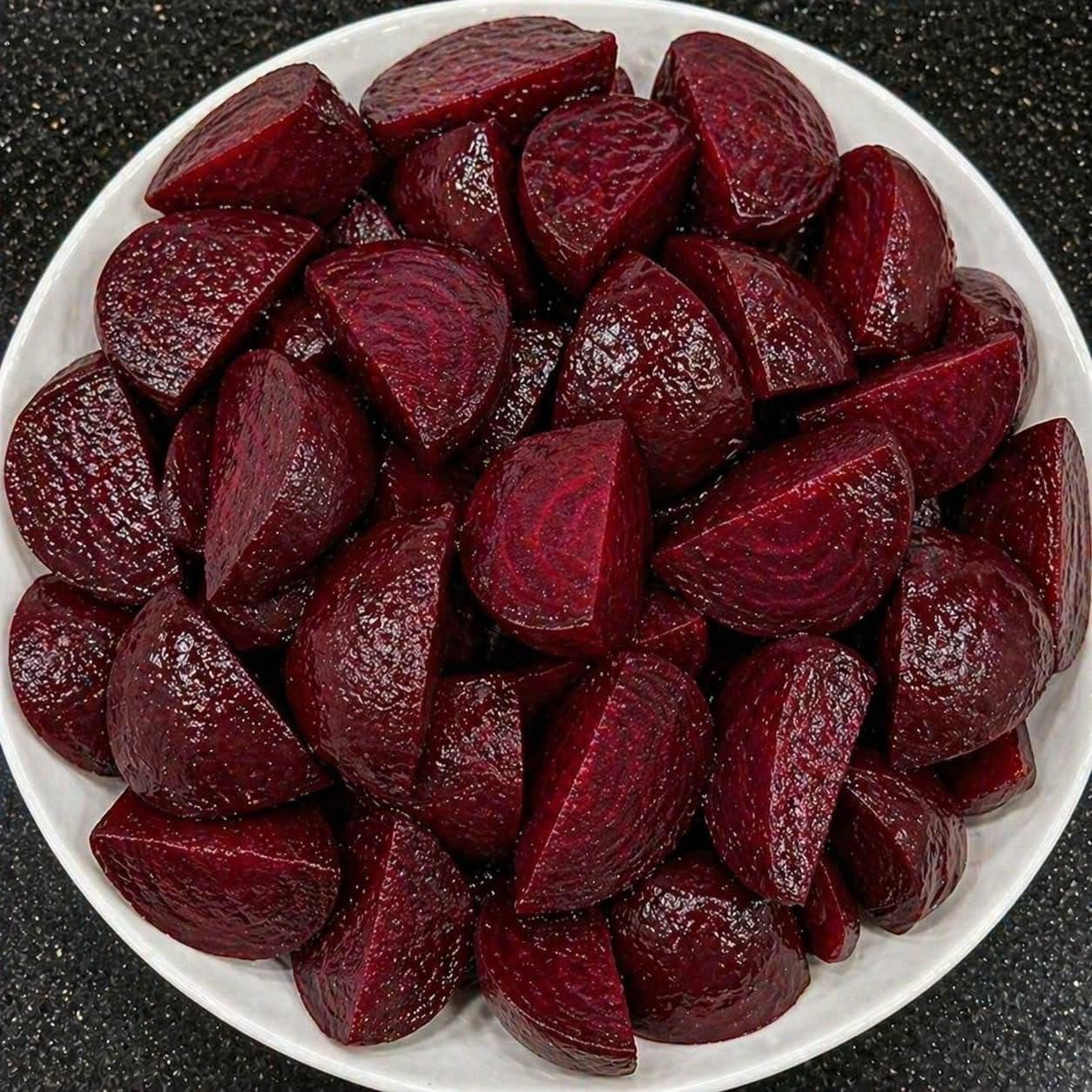
Beets, also known as beetroot (Beta vulgaris), are colorful root vegetables that have gained popularity for their impressive nutritional profile. Their naturally sweet, earthy flavor makes them a versatile ingredient in salads, soups, smoothies, roasted vegetable dishes, and fresh juices.
Beyond their distinctive appearance, beets contain dietary fiber, folate, potassium, and natural plant compounds that may support several aspects of health. They are particularly well known for their dietary nitrates, which the body can convert into nitric oxide—a molecule involved in blood vessel function and circulation.
But what happens when you eat beets regularly? Research suggests that they may support healthy blood pressure, provide digestive benefits, and offer modest advantages for certain types of physical activity. However, beets are not a miracle food, and some people may need to consider their potential side effects.
Here is what current evidence suggests about the nutritional benefits and possible risks of including beets in a balanced diet.
The Nutritional Profile of Beets
Beets provide several nutrients while remaining relatively low in calories. A 100-gram serving of cooked beetroot contains approximately 44 calories, around 2 grams of fiber, and nearly 10 grams of carbohydrates.
Beets also provide important nutrients and plant compounds, including:
- Folate: Helps the body produce DNA and supports normal cell division.
- Potassium: Supports normal muscle function, nerve signaling, and blood pressure regulation.
- Manganese: Helps enzymes perform essential functions in the body.
- Vitamin C: Contributes to normal immune function and collagen production.
- Dietary fiber: Supports digestive regularity and contributes to a healthy eating pattern.
- Natural nitrates: Can be converted into nitric oxide, which helps regulate blood vessel function.
- Betalains: Plant pigments responsible for the red and purple colors of many beet varieties.
The precise nutritional content varies depending on the variety, preparation method, and serving size. Whole beets also provide fiber that may be reduced or largely removed when the vegetables are juiced and strained.
1. Beets May Help Support Healthy Blood Pressure
One of the most studied potential benefits of beetroot is its effect on blood pressure.
Beets contain inorganic nitrates that the body can convert into nitric oxide. This molecule helps blood vessels relax and widen, allowing blood to flow more easily.
Some clinical studies have found that drinking beetroot juice can produce modest reductions in blood pressure, particularly in certain adults with elevated readings. However, the size of the effect varies between individuals and studies.
These findings make beets an interesting addition to a heart-conscious eating pattern. They also provide other nutrients that contribute to overall dietary quality.
It is important to understand that eating beets has not been proven to prevent every cardiovascular problem or eliminate the risk of heart attacks and strokes. They should complement—not replace—prescribed medication, medical advice, regular physical activity, and other recommended lifestyle measures.
If you have low blood pressure or take medication that lowers blood pressure, speak with a healthcare professional before regularly consuming large quantities of concentrated beetroot juice.
2. Beetroot May Support Exercise Performance
Beetroot juice has attracted attention in sports nutrition because of its naturally occurring nitrates.
Nitric oxide plays a role in blood flow and how efficiently the body uses oxygen during physical activity. Researchers have investigated whether these effects can help people maintain exercise intensity, improve endurance, or perform certain activities more efficiently.
Some studies suggest that beetroot juice may offer modest benefits for aerobic exercise, particularly among recreationally active adults. Nevertheless, results are not consistent across every type of exercise, and improvements are not guaranteed.
Research findings involving concentrated beetroot juice also should not automatically be applied to every serving of whole beets.
For most people, beets can simply be enjoyed as part of a balanced diet that provides the carbohydrates, protein, fluids, and other nutrients needed for normal physical activity. There is no need to use concentrated beetroot products to benefit from the vegetable’s nutritional value.
