
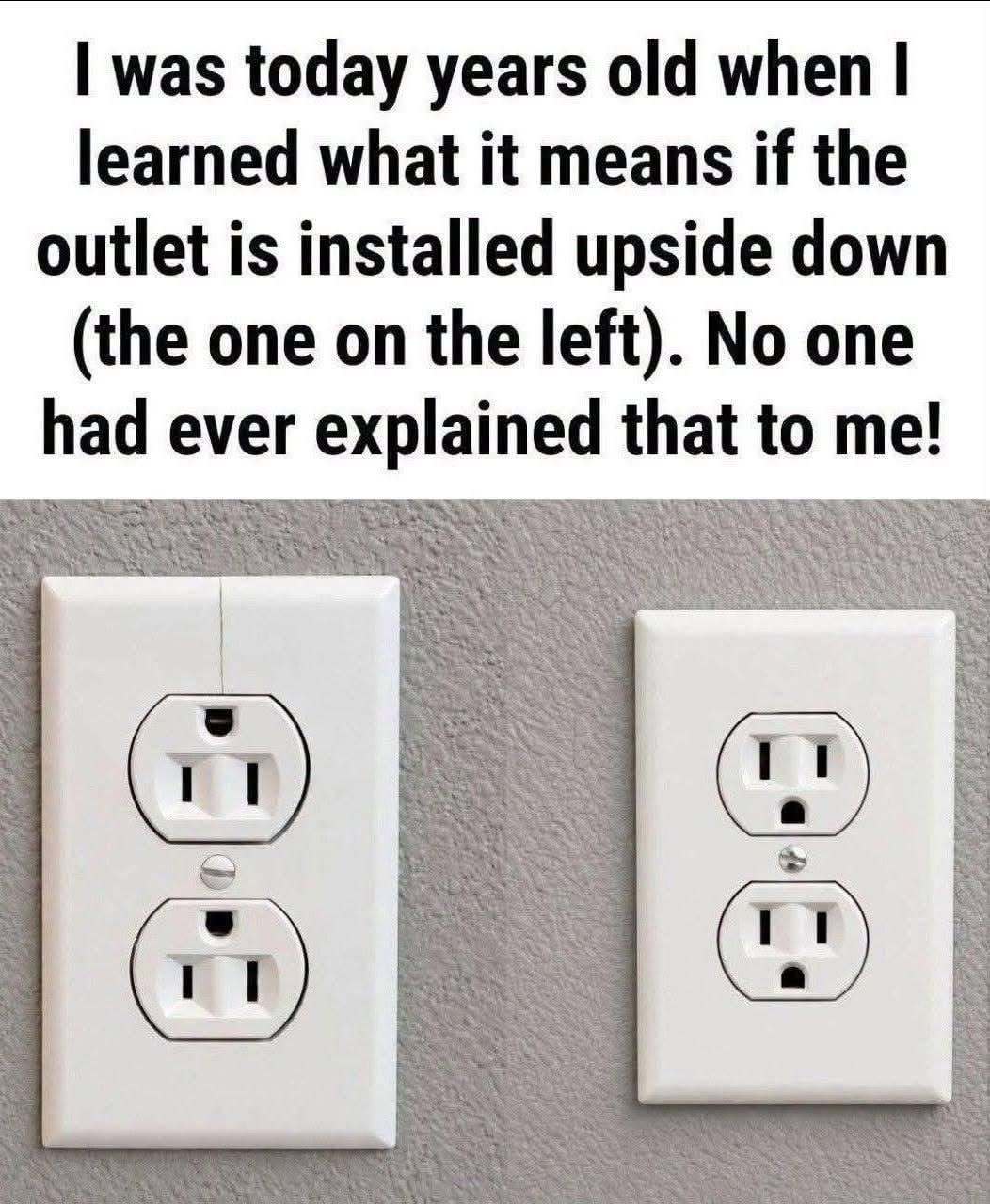
If you have ever walked into a room and noticed an electrical outlet orientation with the ground pin sitting at the top—resembling an upside-down face—you might have assumed the electrician made a clumsy installation error.
However, installing electrical outlets upside down (ground pin up) is often a intentional design choice governed by specific electrical codes, safety practices, and room functionality.
This comprehensive guide breaks down why inverted outlets exist, the safety advantages of ground-up orientation, how switched outlets function, and practical guidance on home maintenance budgeting and health protection.
The Primary Reasons for Inverted Outlets
+———————————————————————–+
| REASONS FOR UPSIDE-DOWN OUTLETS |
+———————————————————————–+
| 1. SWITCH-CONTROLLED OUTLET –> Identifies an outlet tied to a wall switch|
+———————————————————————–+
|
v
+———————————————————————–+
| 2. ENHANCED ELECTRICAL SAFETY –> Prevents live metal short circuits |
+———————————————————————–+
|
v
+———————————————————————–+
| 3. COMMERCIAL BUILDING CODES –> Prevents arc flashes in healthcare/labs|
+———————————————————————–+
1. Indicating a Switched Wall Outlet
In residential home construction, electricians frequently flip one receptacle (or an entire duplex outlet) upside down to signal to the homeowner that it is controlled by a wall switch. This allows residents to easily identify where to plug in floor lamps or ambient lighting fixtures.
2. Enhanced Electrical Safety Mechanism
When a plug is partially pulled out of a wall socket, the hot and neutral prongs are left exposed. If a thin metal object—such as a picture frame wire, paperclip, or coin—falls behind the plug:
Ground-Down Orientation: The falling metal contacts the top hot and neutral prongs simultaneously, creating a direct short circuit, dangerous sparks, or an arc flash hazard.
Ground-Up Orientation: The falling metal hits the grounded safety pin first, harmlessly bouncing off without bridging the energized electrical circuit.
3. Commercial and Healthcare Electrical Standards
Many commercial buildings, hospitals, and industrial facilities specifically require ground-up orientation in their electrical specifications. In busy medical environments, metal equipment frames or dropping instruments are less likely to cause dangerous electrical shorts when the ground pin is positioned on top.
Outlet Orientation Comparison Table
+——————–+———————–+———————–+
| Feature | Ground Pin Down (Right)| Ground Pin Up (Left) |
+——————–+———————–+———————–+
| Residential Standard| Common Household View | Switched Outlet Indicator|
| Falling Object Risk| High Short Circuit Risk| High Safety Protection|
| Plug Retention | Standard Grip | Slightly Superior Hold|
| Electrical Code | NEC Permitted | NEC Permitted |
+——————–+———————–+———————–+
What Does the National Electrical Code (NEC) Say?
Understanding National Electrical Code standards helps homeowners evaluate their home wiring safety:
+———————————————————————–+
| ELECTRICAL SAFETY CHECKLIST |
+———————————————————————–+
| Rule 1: The NEC does NOT enforce a mandatory top or bottom orientation.|
| Rule 2: Both ground-up and ground-down orientations are code-compliant.|
| Step 1: Test wall switches to identify if inverted outlets turn off. |
| Step 2: Ensure GFCI outlets are installed near water sources/kitchens.|
+———————————————————————–+
No Code Mandate: The National Electrical Code (NEC) does not strictly require the ground pin to face up or down. Both installations are fully compliant with national safety standards as long as wiring polarity is maintained correctly.
Polarity Consistency: Regardless of outlet orientation, the narrow slot must connect to the hot wire, the wider slot to the neutral wire, and the rounded hole to the bare copper ground wire.
Replacing Outlets Safely: Always turn off the main circuit breaker before attempting to inspect, flip, or replace wall receptacles in your home.
Home Management, Electrical Budgeting, and Financial Health
Maintaining safe home electrical systems protects family members and prevents costly structural repairs.
Smart Home Budgeting & Electrical Upgrades
Inspecting household wiring and upgrading outdated receptacles prevents electrical fires, equipment damage, and sudden repair bills. Managing your home maintenance budget intentionally allows families to conserve income to build emergency savings accounts, pay off high-interest credit card debt, or allocate funds toward long-term financial investments.
Family Safety and Health Insurance Protection
Preventing shock hazards and electrical accidents in the home provides peace of mind. Combining proper electrical safety maintenance with comprehensive medical coverage through your health insurance provider safeguards both your family’s physical health and personal financial stability.
Frequently Asked Questions (FAQ)
Is it dangerous if my outlets are installed right-side up?
No. Standard ground-down outlets are completely safe for everyday household use. However, practicing caution to ensure plugs are fully inserted into wall sockets prevents exposed prongs.
Can I flip an upside-down outlet right-side up myself?
Yes, but you must shut off the power at the main breaker box first. Remove the faceplate, unscrew the receptacle, and rotate the outlet 180 degrees without disconnecting the wired terminals.
Conclusion
An upside-down outlet is usually a clever signal indicating a switch-controlled socket or a deliberate safety feature designed to prevent short circuits! Whether installed ground-up or ground-down, proper wiring and GFCI protection ensure home electrical safety.
