
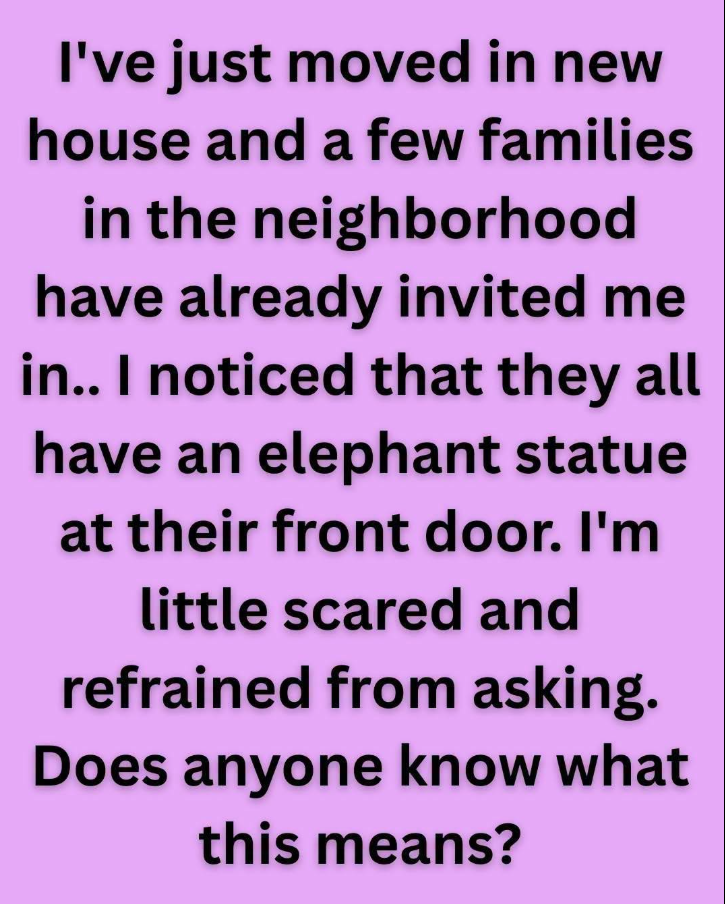
Moving into a new neighborhood often brings a sense of excitement alongside quiet curiosities about local customs, home decor trends, and neighborhood traditions. While exploring a new street, noticing a recurring symbol—such as an elephant statue positioned near front doors—can spark immediate intrigue or even minor hesitation if the meaning is unclear.
Across cultures and interior design philosophies, animal symbols and auspicious figurines are frequently placed at home entryways for very specific symbolic reasons. In this comprehensive guide, we explore the cultural symbolism of elephant statues, feng shui traditions, practical tips for home styling, and how proper property and financial planning protects your household.
The Cultural and Symbolic Meaning of Elephants
Throughout history, elephants have been revered in numerous cultures—particularly in Asian traditions, Buddhism, and Hinduism—as powerful symbols of strength, wisdom, good fortune, royalty, and protection.
+——————————————————-+
| ELEPHANT STATUE SYMBOLISM |
+——————————————————-+
| |
| 1. Protection and Strength |
| – Positioned facing outward to guard the home |
| against negative energy |
| |
| 2. Good Luck and Prosperity |
| – Trunks facing upward symbolize showering |
| abundance, wealth, and success |
| |
| 3. Fertility and Family Harmony |
| – Represents stability, loyalty, and deep roots |
| |
+——————————————————-+
When placed near a front door or entryway, an elephant statue is traditionally believed to act as a guardian, welcoming positive energy and prosperity into the home while blocking misfortune.
Feng Shui Placement and Entryway Traditions
In Feng Shui practices, the positioning of an elephant statue carries specific meanings:
1. Facing Outward vs. Inward
An elephant placed facing outward toward the street is said to protect the household and ward off negative influences. Conversely, an elephant facing inward encourages the flow of luck and blessings into the living spaces.
2. Trunk Position
Statues featuring trunks raised upward are believed to attract good luck, success, and prosperity, while trunks pointed downward symbolize longevity and the accumulation of wealth.
Practical Tips for Home Decor and Neighborhood Integration
If you are settling into a new home or looking to incorporate meaningful decor into your entryway, following simple styling guidelines ensures a warm and inviting atmosphere:
Decor Strategy Best Practice Key Benefit
Entryway Focus Keep the front door area clean, well-lit, and uncluttered Welcomes positive energy and makes guests feel comfortable
Meaningful Art Choose decor items that resonate with your personal style Creates a personalized and peaceful living environment
Curb Appeal Maintain exterior plants and clean pathways regularly Enhances overall property presentation and neighborhood charm
Community Connection Greet neighbors and participate in local welcome events Fosters a supportive and friendly neighborhood network
Long-Term Planning: Property Maintenance, Insurance, and Financial Stability
Moving into a new home and settling into a neighborhood connects directly to broader long-term household management:
Property Maintenance: Regularly inspecting and maintaining your home’s entryway, roof, and structural elements ensures long-term safety and durability.
Comprehensive Homeowners Insurance: Ensuring your property insurance policy provides robust coverage protects your home, personal belongings, and new investments against unexpected events.
Financial and Budgeting Strategies: Managing your moving expenses and household upkeep with a clear budget guarantees lasting financial security and peace of mind.
Fascinating Facts About Elephants in Art and Culture
Royal Symbolism: In ancient kingdoms, white elephants were considered sacred animals associated with royal power, peace, and prosperity.
Architectural Guardians: Historic palaces and temples across Asia frequently feature stone elephant statues flanking grand staircases and entry gates as protective sentinels.
Global Popularity: Elephant figurines are among the most popular souvenir and decorative items collected worldwide due to their majestic appearance and positive symbolism.
Symbolic Stability: Because real elephants are known for strong family bonds and protective herd behavior, they naturally symbolize loyalty and steadfast community support.
Conclusion
Noticing elephant statues at your neighbors’ front doors is nothing to be afraid of—it is simply a popular tradition rooted in welcoming good fortune, protection, and prosperity into the home.
By embracing neighborhood customs, personalizing your living space with meaningful decor, and prioritizing robust home maintenance and insurance planning, you can settle into your new house with complete confidence.
Frequently Asked Questions (FAQ)
What does an elephant statue at a front door symbolize?
An elephant statue at an entryway typically symbolizes protection, good luck, wisdom, strength, and the attraction of positive energy and prosperity into the home.
Does the direction the elephant’s trunk faces matter?
Yes, in Feng shui traditions, a trunk raised upward represents showering good fortune and success, while a trunk pointed downward signifies longevity and holding onto wealth.
Should an elephant statue face inside or outside the house?
An elephant facing outward acts as a guardian protecting the home from negative energy, while an elephant facing inward invites blessings and abundance into the living space.
Are elephant statues associated with any secret neighborhood meanings?
No, elephant statues are standard decorative and cultural items used for good luck and protection; they do not carry hidden or alarming subtexts.
Why is comprehensive homeowners insurance important when moving into a new house?
Homeowners insurance protects your new property, structure, and personal belongings against unexpected damage, theft, or liability, ensuring financial security from day one.
