
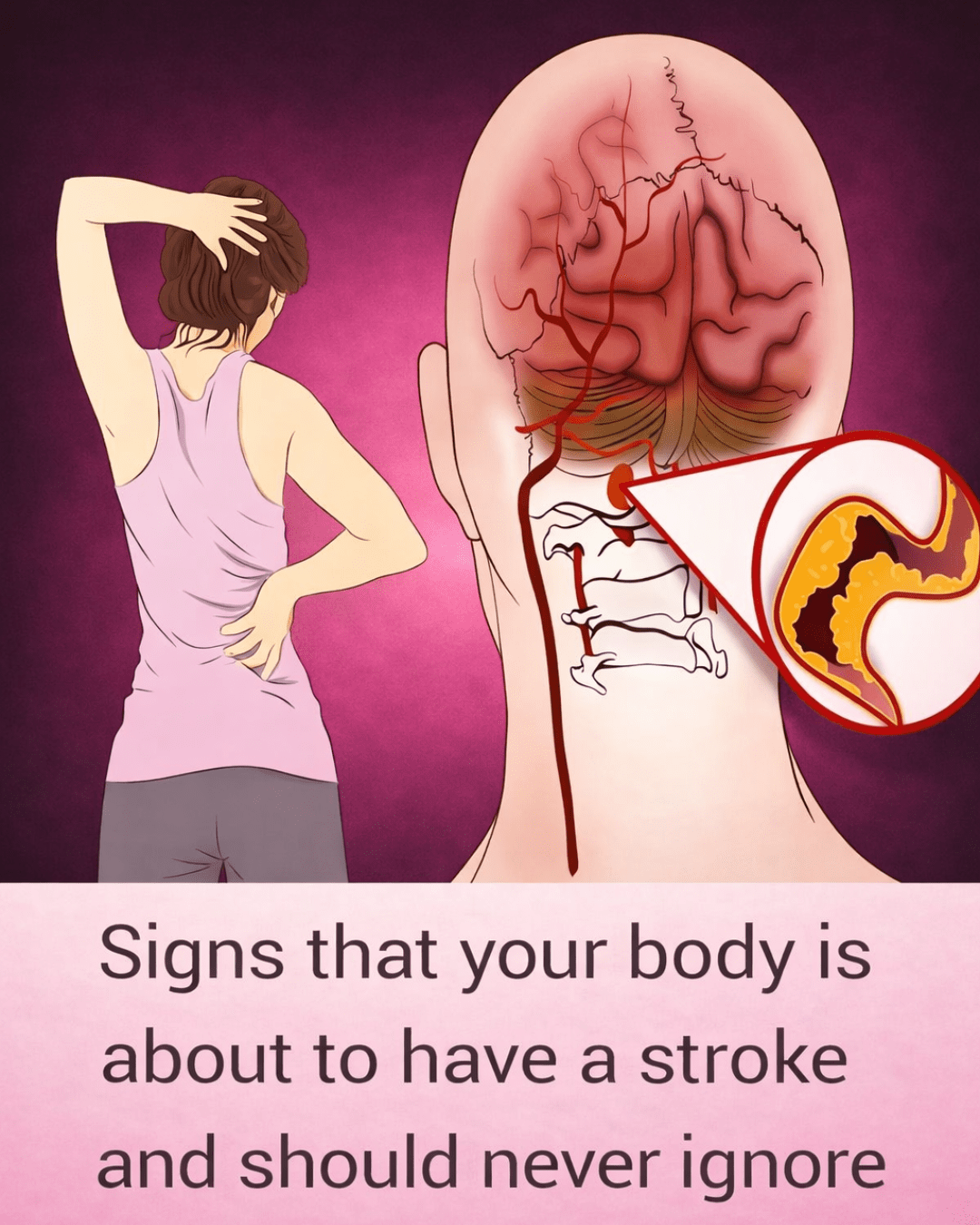
Recognizing the early warning signs of an impending stroke or Transient Ischemic Attack (TIA) is one of the most critical factors in preventing long-term disability or fatal outcomes. While standard stroke awareness campaigns focus primarily on facial drooping or arm weakness, severe vertebral artery dissection—a tear in the inner lining of the blood vessel running through the neck to the brain—often manifests as localized neck stiffness, intense occipital headaches, and sudden balance disruption before a full-blown ischemic event occurs.
Understanding how impaired cerebral blood flow develops allows individuals and caregivers to identify subtle warning indicators, seek rapid emergency treatment, and preserve brain tissue.
This comprehensive guide details the early biological signals of stroke risk, vascular event factor comparison tables, step-by-step emergency response protocols, and practical advice on household budgeting and preventative healthcare coverage.
Early Warning Indicators and Vascular Anatomy
+———————————————————————–+
| CEREBROVASCULAR DISRUPTION PATHWAY |
+———————————————————————–+
| 1. ARTERIAL PLAQUE / DISSECTION –> Narrowing of carotid/vertebral art.|
+———————————————————————–+
|
v
+———————————————————————–+
| 2. LOCALIZED PAIN & TENSION –> Occipital headache & severe neck ache|
+———————————————————————–+
|
v
+———————————————————————–+
| 3. TRANSIENT NEUROLOGICAL LOSS –> Misfiring motor cells & B.E.F.A.S.T.|
+———————————————————————–+
1. Vertebral and Carotid Artery Disruption
The brain receives oxygenated blood via two main pairs of arterial pathways: the carotid arteries in the front of the neck and the vertebral arteries passing through the spinal column at the back. When arterial walls experience plaque buildup (atherosclerosis) or a structural lining tear (dissection), blood flow to the brainstem and cerebellum is severely compromised.
2. Sudden, Unusual Neck Pain and Headaches
A sudden, sharp, or throbbing pain localized at the base of the skull, back of the neck, or upper spine—often resembling a severe muscle strain—can be an early precursor to a vertebral artery stroke. This occipital pain frequently precedes neurological symptoms by hours or days.
3. Acute Dizziness and Loss of Balance
Because the vertebral arteries supply the cerebellum (the brain’s balance center), arterial narrowing causes sudden room-spinning vertigo, unsteadiness, or severe loss of coordination while walking or standing upright.
4. Sudden Visual Disturbances
Temporary loss of vision in one eye, double vision (diplopia), or sudden dimming of the visual field indicates micro-clots restricting blood flow to the visual cortex.
5. Sudden One-Sided Numbness or Weakness
Unilateral numbness or weakness in the arm, leg, or lower facial muscles signals that motor control pathways in the brain hemisphere are being starved of oxygenated blood.
Stroke Type Risk Factor Comparison Table
+——————–+———————–+———————–+
| Event Type | Primary Cause | Key Early Warning |
+——————–+———————–+———————–+
| Ischemic Stroke | Arterial Blood Clot | Sudden Weakness/Slur |
| Hemorrhagic Stroke | Ruptured Vessel Wall | Thunderclap Headache |
| Vertebral TIA | Neck Artery Dissection| Occipital/Neck Pain |
| Silent Stroke | Micro-Vascular Block | Subtle Cognitive Lag |
+——————–+———————–+———————–+
Step-by-Step Instructions: The B.E. F.A.S.T. Emergency Protocol
If you or someone around you exhibits early warning signs of a stroke, execute the standardized B.E. F.A.S.T. emergency protocol immediately:
+———————————————————————–+
| B.E. F.A.S.T. RESPONSE GUIDE |
+———————————————————————–+
| B – BALANCE: Check for sudden dizziness, neck pain, or unsteadiness. |
| E – EYES: Check for sudden blurry vision, dimming, or double vision. |
| F – FACE: Ask person to smile; check if one side of face sags. |
| A – ARMS: Ask person to raise both arms; observe for downward drift. |
| S – SPEECH: Ask person to repeat a simple phrase; listen for slurring. |
| T – TIME: Call 911 / emergency services IMMEDIATELY. |
+———————————————————————–+
Check Balance (B): Look for sudden loss of coordination, severe unexplained neck or base-of-skull pain, or an inability to walk straight.
Check Eyes (E): Inquire if the person has experienced sudden double vision, blurry vision, or temporary loss of sight in one eye.
Check Face (F): Ask the person to smile broadly. Observe whether one side of their face sags or feels numb.
Check Arms (A): Have the person raise both arms straight out in front of them with eyes closed for 10 seconds. Check if one arm drifts downward due to muscle weakness.
Check Speech (S): Ask the person to repeat a simple sentence. Listen carefully for slurred words, inappropriate word choices, or complete inability to speak.
Call Emergency Services Immediately (T): Dial 911 right away if any of these signs appear, even if symptoms temporarily subside. Note the precise time symptoms began to guide emergency medical teams.
Home Management, Household Budgeting, and Financial Health
Prioritizing preventative vascular health and rapid medical response directly supports family stability and asset security.
Smart Home Budgeting & Emergency Preparedness
Immediate medical treatment during a stroke or TIA prevents extensive brain damage, avoiding massive long-term physical rehabilitation fees, nursing care costs, and loss of household income. Managing your medical emergency fund and household healthcare budget intentionally enables families to preserve capital to build emergency savings accounts, pay off high-interest credit card debt, or allocate funds toward long-term financial investments.
Vascular Screening, Health Insurance, and Medicare Security
Routine hypertension management, cholesterol monitoring, carotid artery ultrasounds, and doctor consultations are heavily covered under primary health insurance plans and Medicare. Utilizing preventative health coverage minimizes out-of-pocket medical bills while safeguarding both physical well-being and personal financial peace of mind.
Frequently Asked Questions (FAQ)
Can severe neck massage or sudden chiropractic adjustments trigger a stroke?
Yes. Rapid, forceful neck rotations or trauma can potentially tear the inner lining of the vertebral artery (vertebral artery dissection), leading to blood clot formation and subsequent stroke in vulnerable individuals.
How quickly must clot-busting medication be administered during an ischemic stroke?
Thrombolytic medications (such as tPA or TNK) should ideally be administered within 3 to 4.5 hours from the onset of initial symptoms to dissolve clots and restore cerebral blood flow effectively.
Conclusion
Recognizing silent stroke warnings—such as severe neck pain, sudden balance loss, or visual disturbance—saves lives. Memorize the B.E. F.A.S.T. protocol, control blood pressure, and protect your cardiovascular health today!
