
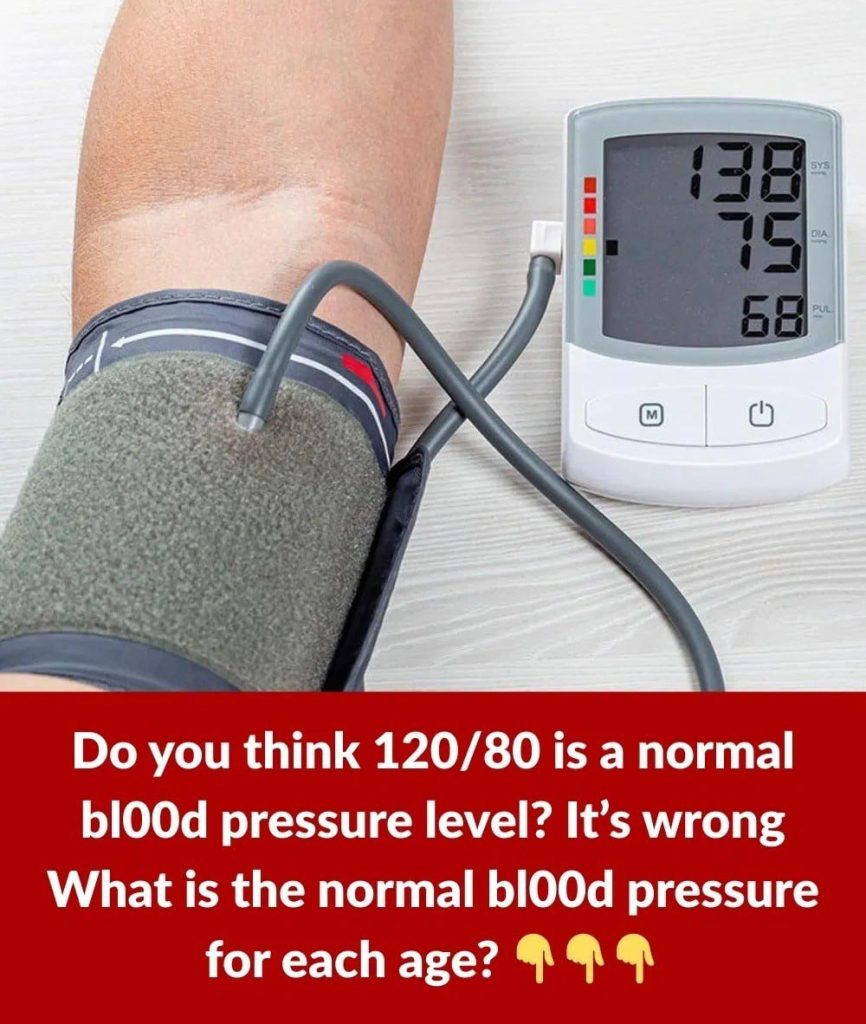
Monitoring blood pressure is a fundamental component of proactive cardiovascular health. Blood pressure readings measure the force of blood pushing against the walls of your arteries as your heart pumps, recorded using two key numbers: systolic pressure (the top number) and diastolic pressure (the bottom number).
While standard medical guidelines define normal adult blood pressure, typical average readings can shift slightly across different life stages.
Below, we break down standard blood pressure categories and age-related expectations.
Blood Pressure Overview & Category Matrix
+-------------------------------------------------------------------+
|               STANDARD ADULT BLOOD PRESSURE CATEGORIES            |
|                                                                   |
|  [ NORMAL ]        • Systolic < 120 mmHg AND Diastolic < 80 mmHg  |
|  [ ELEVATED ]      • Systolic 120–129 mmHg AND Diastolic < 80 mmHg|
|  [ STAGE 1 HYPER ] • Systolic 130–139 mmHg OR Diastolic 80–89 mmHg|
|  [ STAGE 2 HYPER ] • Systolic ≥ 140 mmHg OR Diastolic ≥ 90 mmHg   |
+-------------------------------------------------------------------+
Key Highlights of Blood Pressure Metrics:
-
Systolic vs. Diastolic: Systolic measures arterial pressure when the heart beats, while diastolic measures pressure when the heart rests between beats.
-
Standard Normal Range: Medical organizations, including the American Heart Association, define normal adult blood pressure as less than 120/80 mmHg.
-
Age-Related Changes: As blood vessels naturally stiffen over time, systolic pressure often increases gradually as adults age.
-
Routine Monitoring: Regular check-ups help detect early signs of hypertension before symptoms occur.
Average Blood Pressure Guidelines by Age Group
1. Children and Teens (Ages 1–17)
Blood pressure in children and adolescents varies based on age, height, and sex. Percentile charts rather than fixed numbers are used by pediatricians to evaluate healthy ranges.
2. Young Adults (Ages 18–39)
-
Target Average: Less than 120/80 mmHg.
-
Maintaining healthy nutrition, regular physical activity, and stress management helps keep readings within ideal parameters during early adulthood.
3. Middle-Aged Adults (Ages 40–59)
-
Target Average: Ideally 120/80 mmHg to 124/81 mmHg.
-
Hormonal changes, lifestyle stress, and diet can begin impacting vascular health, making regular screenings increasingly vital.
4. Older Adults (Ages 60+)
-
Target Average: 130/80 mmHg to 135/85 mmHg.
-
Arterial stiffness commonly raises systolic numbers in older age. Medical professionals often evaluate individual target ranges based on overall cardiovascular risk factors.
Conclusion
Knowing your blood pressure metrics empowers you to make informed decisions about your health. While general guidelines offer an excellent reference, consult your healthcare provider to establish your personalized target blood pressure range.
Frequently Asked Questions (FAQ)
What does a reading like 138/75 mmHg mean?
A systolic reading of 138 mmHg with a diastolic reading of 75 mmHg falls into the Stage 1 Hypertension range according to current guidelines, due to the elevated systolic number.
How can I prepare before taking a blood pressure reading?
Rest quietly for 5 minutes before reading, sit with your back supported and feet flat on the floor, and avoid caffeine, exercise, or smoking 30 minutes prior to measurement.
