
In modern healthcare, over-the-counter (OTC) and prescription medications play a vital role in managing acute pain, chronic conditions, inflammation, and daily ailments. Whether reaching for a quick pain reliever to soothe a headache, taking daily prescription drugs for high blood pressure, or using specialized therapeutic capsules, pharmaceuticals offer incredible benefits when used correctly under proper medical supervision.
However, many individuals take common medications in excess or combine different drugs without realizing the hidden physiological toll they can exert on vital organs—particularly the kidneys. The kidneys serve as the body’s primary filtration system, processing liters of blood daily to remove metabolic waste, regulate fluid levels, balance electrolytes, and maintain blood pressure homeostasis.
When medications are consumed in excessive dosages or over extended periods, nephrotoxic compounds can accumulate, causing micro-vascular damage, acute kidney injury (AKI), or chronic kidney disease (CKD). Understanding medication toxicity, practicing safe dosing habits, and navigating health insurance coverage for preventive care can safeguard your health and prevent costly medical emergencies.
The Role of the Kidneys in Processing Medications
To appreciate why drug overuse impacts renal function, it helps to understand how the kidneys process chemical compounds. Every minute, your heart pumps approximately 20% of its total blood output directly into the renal arteries leading to the kidneys.
How Nephrotoxicity Occurs
Inside each kidney lie roughly one million microscopic filtering units known as nephrons. Each nephron consists of a glomerulus (which filters blood) and a tubule (where essential minerals and water are reabsorbed).
Glomerular Filtration Damage: High concentrations of certain active pharmaceutical compounds can alter blood flow rates within the glomerulus, causing reduced filtration rates (eGFR).
Tubular Toxicity: As the kidneys concentrate urine, toxic drug metabolites come into prolonged contact with renal tubular cells, leading to direct tissue injury, cellular inflammation, or necrosis.
Allergic Interstitial Nephritis: Certain medications trigger an immune reaction within the structural tissue of the kidneys, causing swelling, reduced urine output, and fever.
+—————————+—————————————+————————————+
| Drug Category | Renal Processing Mechanism | Potential Kidney Damage Risk |
+—————————+—————————————+————————————+
| NSAIDs (e.g., Ibuprofen) | Reduces protective prostaglandin flow | Reduced renal blood flow & AKI |
| Acetaminophen (High Dose) | Metabolized into oxidative toxins | Tubular tissue stress & failure |
| Proton Pump Inhibitors | Alters tubular immune response | Chronic interstitial nephritis |
| Aminoglycoside Antibiotics| Accumulates inside tubular epithelial | Direct nephron cytotoxicity |
+—————————+—————————————+————————————+
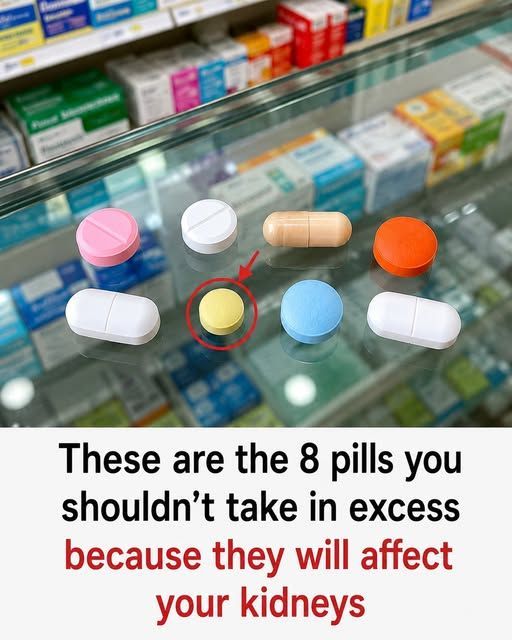
8 Types of Common Medications That Can Affect Kidney Health
While medications are life-saving when prescribed accurately, taking these eight common drug classes in excess or for prolonged periods requires caution and regular physician oversight.
1. Non-Steroidal Anti-Inflammatory Drugs (NSAIDs)
Over-the-counter pain relievers such as ibuprofen, naproxen, and high-dose aspirin are among the most frequently overused medications. NSAIDs work by inhibiting COX enzymes, which lowers inflammation but also blocks prostaglandins that dilate blood vessels in the kidneys. Chronic overuse restricts renal blood flow, increasing the risk of fluid retention and renal failure.
2. High-Dose Acetaminophen (Paracetamol)
While acetaminophen is generally gentler on the stomach and kidneys than NSAIDs when taken within recommended dosage limits, consuming excessive amounts—or combining it with alcohol—can generate toxic metabolites that strain both the liver and kidneys simultaneously.
3. Proton Pump Inhibitors (PPIs)
Commonly used to treat acid reflux, heartburn, and stomach ulcers, long-term daily use of proton pump inhibitors has been linked in clinical studies to an increased risk of chronic kidney disease and interstitial nephritis. Patients on long-term heartburn therapy should undergo routine blood and urine testing.
4. Certain Antibiotics (Aminoglycosides & Fluoroquinolones)
Potent prescription antibiotics are essential for clearing serious bacterial infections, but specific classes can accumulate in kidney cells during filtration. Doctors carefully calculate antibiotic dosages based on a patient’s body weight and baseline kidney function to prevent drug-induced nephrotoxicity.
5. Diuretics (“Water Pills”)
Prescribed to manage high blood pressure, heart failure, and fluid retention, diuretics encourage the kidneys to flush excess sodium and water from the body. However, taking excessive doses can lead to severe dehydration, electrolyte imbalances, and acute kidney stress.
6. Laxatives and High-Dose Vitamin Supplements
Overusing saline-based oral laxatives containing sodium phosphate can lead to acute phosphate nephropathy—a condition where calcium phosphate crystals deposit directly inside kidney tubules. Additionally, excessive megadoses of Vitamin C or Vitamin D can increase urinary oxalate levels, promoting kidney stone formation.
7. Contrast Dyes Used in Medical Imaging
While not a daily tablet, iodinated contrast agents used during specialized medical imaging scans (such as CT scans or angiograms) can cause temporary kidney strain, known as contrast-induced nephropathy, especially in individuals with pre-existing renal impairment.
8. Angiotensin-Converting Enzyme (ACE) Inhibitors & ARBs
Prescribed to protect heart health and lower blood pressure, ACE inhibitors and Angiotensin Receptor Blockers (ARBs) are actually renal-protective in proper doses. However, if taken when severely dehydrated or combined inappropriately with NSAIDs, they can cause a sudden drop in filtration pressure within the nephrons.
Navigating Healthcare, Prescription Management, and Insurance
Managing complex medication regimens requires close collaboration with healthcare professionals, pharmacists, and health insurance providers.
The Importance of Comprehensive Medication Reviews
Patients taking multiple daily medications for chronic conditions like hypertension, diabetes, or arthritis should schedule annual medication reviews with their primary care physician. Pharmacists can conduct comprehensive drug-interaction audits to identify duplicate active ingredients, adjust dosages, and eliminate unnecessary supplements.
Utilizing Health Insurance for Preventive Renal Screening
Most comprehensive health insurance plans cover routine annual wellness exams, including basic metabolic panels (BMP) and urinalysis. Blood tests measuring Serum Creatinine and Blood Urea Nitrogen (BUN)—along with calculating your estimated Glomerular Filtration Rate (eGFR)—provide early detection of kidney stress long before physical symptoms appear.
Health Savings Accounts (HSA) and Prescription Coverage
Managing chronic health conditions often involves out-of-pocket expenses for co-pays, diagnostic blood tests, and specialist consultations. Utilizing pre-tax funds from a Health Savings Account (HSA) or Flexible Spending Account (FSA) lowers overall healthcare costs while ensuring access to quality medical care and nephrology specialists.
Practical Daily Tips to Protect Your Kidney Health
Follow Recommended Dosages Strictly: Always read medication labels carefully and never exceed maximum daily dosage limits, especially when taking over-the-counter pain relievers.
Stay Properly Hydrated: Drink plenty of fresh water throughout the day to help your kidneys flush metabolic waste and drug metabolites efficiently.
Avoid Combining Multiple Pain Relievers: Never combine NSAIDs with combination cold medications that already contain hidden pain relievers without checking ingredient labels first.
Inform Your Doctor of All Supplements: Always disclose all herbal remedies, protein powders, and dietary supplements to your physician, as certain botanicals can interact negatively with prescription drugs.
Monitor Blood Pressure and Blood Sugar: High blood pressure and uncontrolled diabetes are the two leading causes of chronic kidney disease worldwide. Managing these primary risk factors preserves renal function over a lifetime.
Fascinating Facts About Human Kidney Function
Enormous Daily Filtration Volume: The human kidneys filter approximately 45 to 50 gallons (170 to 190 liters) of blood every single day, producing about 1 to 2 quarts of urine.
Massive Vascular Network: Despite making up less than 1% of total body weight, the kidneys receive a quarter of all blood pumped by the heart with every heartbeat.
Silent Symptoms: The kidneys can lose up to 90% of their functional capacity before noticeable physical symptoms—such as swelling or fatigue—appear, making routine blood work essential.
Self-Regulating Pressure: Kidneys possess an intrinsic autoregulation mechanism that adjusts internal arterial diameter to keep filtration pressure steady even when systemic blood pressure fluctuates.
Frequently Asked Questions (FAQ)
How do I know if a medication is affecting my kidneys?
Early kidney stress rarely produces noticeable physical symptoms. The best way to evaluate kidney health is through routine blood tests (checking Serum Creatinine and eGFR) and urine tests (checking for protein or albumin leaks). Advanced symptoms may include swelling in the ankles or face, changes in urination frequency, fatigue, or metallic taste in the mouth.
Is it safe to take ibuprofen every day for chronic pain?
Daily long-term use of ibuprofen or other NSAIDs is not recommended without direct medical supervision. Chronic NSAID use restricts blood flow to the kidneys and increases the risk of peptic ulcers and renal damage. Consult your doctor about safer long-term pain management strategies.
Can drinking extra water wash out medication toxicity?
Staying adequately hydrated helps your kidneys clear water-soluble drug metabolites efficiently. However, drinking excessive amounts of water will not reverse structural tissue damage caused by drug toxicity and can disrupt delicate electrolyte balances if taken to extremes.
What is the safest pain reliever for someone with existing kidney disease?
Acetaminophen (paracetamol) is generally considered the preferred over-the-counter pain reliever for individuals with reduced kidney function when taken strictly within recommended daily limits. Always consult your doctor or nephrologist before taking any pain medication if you have known renal disease.
Does health insurance cover specialized kidney function testing?
Yes. Basic kidney function panels (Creatinine, BUN, eGFR, and urinalysis) are standard diagnostic tests covered by almost all health insurance plans, Medicare, and private coverage when ordered by a physician during routine physicals or chronic disease management visits.
Conclusion
Medications are powerful tools that enhance quality of life and treat complex health conditions when used responsibly. However, taking over-the-counter pain relievers, heartburn medications, or prescription drugs in excess can place unnecessary stress on your kidneys. By reading drug labels carefully, staying hydrated, scheduling regular blood screenings, and consulting your doctor before combining treatments, you can protect your kidney health, avoid medical complications, and enjoy a long, healthy life!
