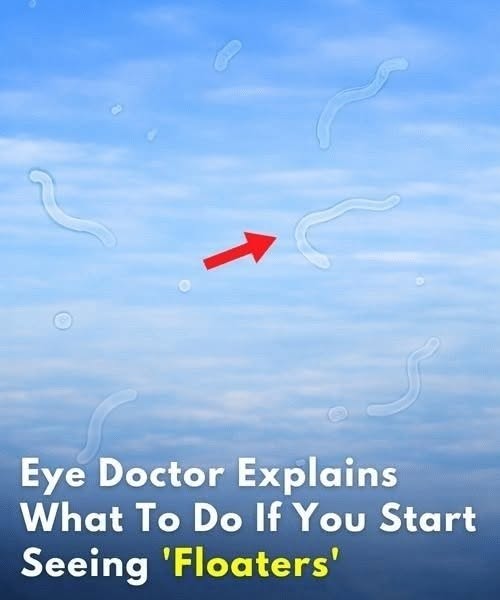
Navigating changes in your vision can be an alarming experience, especially when unexpected visual disturbances appear in your field of sight. Among the most common phenomena experienced by adults are “eye floaters”—those tiny spots, threads, or web-like shapes that drift across your eyes, particularly when looking at a bright background like a clear blue sky. Understanding what causes floaters, when they are harmless, and when they require immediate medical attention is essential for protecting your long-term vision. In this comprehensive guide, we will explore the science behind eye floaters, professional medical explanations, eye health maintenance, and how maintaining proper healthcare and insurance safeguards your overall well-being.Understanding Eye Floaters and Their CausesEye floaters occur inside the vitreous, the clear, gel-like substance that fills the inside of your eyeball. As people age, the vitreous gel naturally begins to liquefy and shrink, causing microscopic collagen fibers within the gel to clump together.What You SeeShapes and Sizes: Floaters can appear as small dots, circles, lines, webs, or irregular thread-like strands.Movement: Because these clumps float within the gel, they drift across your field of vision and appear to dart away when you try to look directly at them.When to See an Eye Doctor: Medical GuidanceWhile the vast majority of age-related floaters are harmless and eventually settle out of your main line of sight, a sudden onset of new visual symptoms can indicate a more serious underlying eye condition.Warning Signs Requiring Immediate Medical AttentionSudden Flashes of Light: Experiencing bright flashes alongside new floaters can signal traction on the retina.A Shadow or “Curtain”: A dark shadow or curtain blocking any part of your peripheral or central vision requires urgent evaluation by an eye doctor or ophthalmologist.Health Insurance and Specialized Care: Maintaining robust health insurance ensures you have timely access to professional eye exams, diagnostic testing, and specialist medical care if retinal issues or severe vision changes occur.Financial Readiness and Healthcare PlanningPrioritizing your physical health involves both regular medical checkups and sound financial preparedness.Key Financial PillarsMedical Savings: Utilizing Health Savings Accounts (HSAs) or flexible spending plans helps cover routine eye care and unexpected medical consultations.Insurance Protection: Comprehensive health and disability insurance policies protect your household against the financial impact of unexpected medical treatments or surgeries.Long-Term Wellness: Budgeting for routine preventive healthcare ensures you maintain sharp vision and overall vitality for years to come.Practical Tips for Eye Health MaintenanceTo protect your eyes and manage age-related vision changes effectively, keep these practical tips in mind:Schedule Annual Eye Exams: Comprehensive dilated eye exams by an optometrist or ophthalmologist can detect subtle changes in your retina and vitreous early.Stay Hydrated and Rested: General physical wellness, adequate sleep, and proper hydration support overall ocular comfort.Protect Your Eyes from UV Rays: Wear quality sunglasses with UV protection when outdoors to reduce long-term eye strain and damage.Know the Warning Signs: Never ignore a sudden shower of new floaters accompanied by flashes of light; seek professional medical help immediately.Fascinating Facts About Vision and the Human EyeThe Vitreous Gel: The vitreous humor makes up about 80% of the volume of the human eye and maintains its round shape throughout life.Shadows on the Retina: Floaters are not actually objects outside of your eye; they are tiny shadows cast onto your retina by microscopic clumps of protein inside the vitreous gel.Adaptation: Over time, the brain often learns to ignore chronic floaters, causing them to become much less noticeable during everyday activities.ConclusionSeeing occasional eye floaters is a common part of visual aging for millions of people. However, understanding what they are and knowing when an eye doctor recommends professional evaluation is critical for safeguarding your vision. By combining proactive eye health habits with comprehensive medical insurance, financial planning, and regular checkups, you can ensure a clear and secure future. FAQ SectionWhat causes eye floaters to appear in your vision?Eye floaters are caused by tiny clumps of collagen fibers or cells forming within the vitreous gel as it naturally ages and shrinks inside the eye.Are eye floaters dangerous?Most floaters are harmless and simply a natural consequence of aging. However, a sudden, massive increase in floaters accompanied by light flashes can indicate a retinal tear or detachment, requiring immediate medical care.When should I consult an eye doctor about floaters?You should schedule an immediate evaluation with an eye doctor if you experience a sudden shower of new floaters, flashes of light, or a dark shadow obstructing your vision.Can eye floaters be permanently removed?In severe cases where floaters significantly impair vision, medical procedures such as a vitrectomy or laser vitreolysis can be performed by a specialist, though they carry risks and are rarely necessary for normal, harmless floaters.
The Ultimate Guide to Eye Floaters, Vision Health, and Medical Care