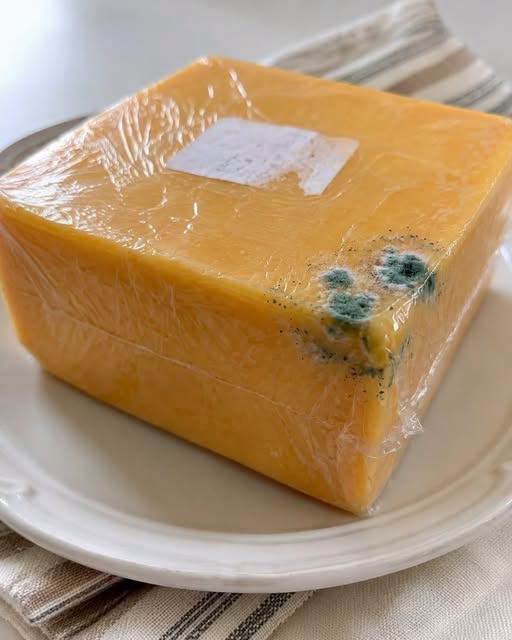
Food safety trivia, kitchen hacks, and surprising household guidelines frequently go viral across social media platforms, sparking immense curiosity and lively discussions worldwide. When a simple image highlights a common dilemma—such as discovering a patch of green mold growing on a tightly wrapped block of cheese—it strikes a deeply relatable and practical chord with home cooks everywhere. Why do food safety and kitchen dilemma posts generate such massive engagement online? In this comprehensive guide, we explore the science of food mold, safe handling practices for various types of cheese, the psychology of household tips, and practical ways to keep your kitchen safe and hygienic.The Science of Mold: When Is Food Safe to Save?Finding mold on food often leads to the question of whether the entire item must be discarded or if the affected portion can be safely removed.Hard Cheese vs. Soft CheeseHard Cheeses (e.g., Cheddar, Parmesan, Swiss): Because hard cheeses have low moisture content, mold roots typically cannot penetrate deeply beneath the surface. According to food safety guidelines, you can often cut away the moldy area—ensuring you slice at least one inch around and below the spot—and safely consume the rest.Soft Cheeses (e.g., Cottage cheese, cream cheese, ricotta) and Sliced/Shredded Cheese: These varieties have high moisture content, meaning mold filaments and unseen bacteria can easily permeate the entire product. If mold appears on soft or shredded cheese, it should be discarded entirely.Why Food Safety Posts Cause Massive Social Media EngagementInformative household and kitchen graphics are masterclasses in digital community building and user education.The Power of Sharing Practical AdviceWhen a post highlights everyday food safety dilemmas, it encourages followers to tag friends, share kitchen tips, and discuss their own food storage habits in the comment section. The Dopamine Reward of DiscoveryUncovering useful culinary science gives users a satisfying sense of confidence and practical household knowledge.Cognitive and Psychological Benefits of Kitchen AwarenessEngaging with household safety education offers significant personal and practical rewards.Enhancing Household LiteracyRegularly reading about food storage and safety empowers individuals to reduce food waste while keeping their families healthy.Fostering Community SupportSharing helpful kitchen tips with loved ones builds a collaborative environment focused on smart daily routines.Practical Ways to Store Cheese and Prevent MoldIf you want to maximize the shelf life of your favorite cheeses and prevent premature spoilage, consider these practical techniques:Wrap Properly: Avoid wrapping hard cheese tightly in plastic wrap, which can trap moisture and encourage mold growth. Instead, use specialized cheese paper or parchment paper.Keep Your Refrigerator Clean: Regularly wipe down refrigerator shelves and drawers to reduce airborne mold spores.Use Clean Utensils: Always cut cheese with a clean knife to avoid introducing bacteria or contaminants from other foods.Store in the Right Zone: Keep cheese in the warmest part of your fridge, such as the cheese or deli drawer, rather than the coldest back areas.Trust Your Senses: If a cheese shows signs of abnormal texture, uncharacteristic sliminess, or off odors alongside mold, err on the side of caution and throw it out.Fascinating Facts About Cheese PreservationAncient Origins: Cheese-making originated thousands of years ago as a vital method for preserving milk before refrigeration existed.Intentionally Molded Varieties: While spoilage mold is undesirable, specialty cheeses like Roquefort, Gorgonzola, and Brie rely on safe, specific strains of Penicillium mold for their iconic flavors.Viral Internet Reach: Practical food safety and kitchen hack graphics remain one of the most reliable formats for driving high user engagement, shares, and comments online. ConclusionFood safety posts provide a wonderful blend of education, practical value, and community sharing. By understanding the difference between hard and soft cheeses when dealing with mold, you can make informed decisions that balance food safety with reducing waste. Whether you trim the block or start fresh, keeping your kitchen informed and safe is the ultimate reward!Frequently Asked Questions (FAQ)1. Can you eat hard cheese if it has mold on it?Yes, for hard cheeses like cheddar or parmesan, you can usually cut away the moldy section—cutting at least one inch around and below the spot—and safely eat the rest because mold cannot easily penetrate dense, low-moisture cheese.2. Why must soft cheeses be thrown out if they grow mold?Soft cheeses have high moisture content, allowing mold roots and invisible bacteria to spread easily throughout the entire product.3. How can I prevent mold from growing on cheese in the fridge?Wrap cheese in parchment or cheese paper instead of airtight plastic wrap to let it breathe, and always use clean utensils when handling it.4. Why do food safety tips perform so well on social media?They address common, relatable everyday dilemmas, providing immediate practical value that users love to learn, discuss, and share with friends.
The Science of Food Safety: Handling Moldy Cheese, Kitchen Storage Tips, and Viral Wellness Posts