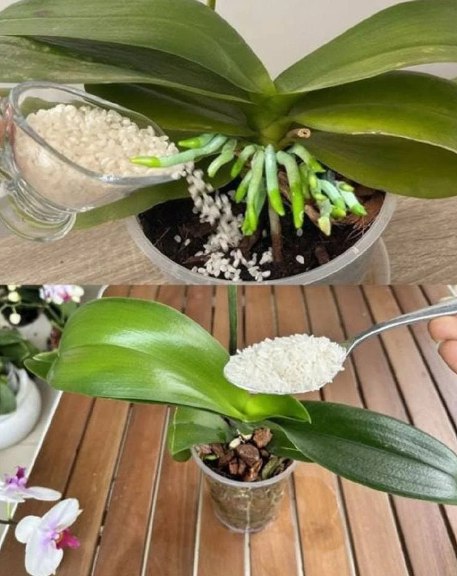
Viral gardening hacks circulating across social media platforms frequently claim that pouring dry white rice or raw rice grain directly into potted orchids will trigger rapid root growth, vibrant blooms, and lush foliage. Accompanied by dramatic imagery showing thick aerial root systems, these DIY fertilizer trends promise professional orchid care results using simple kitchen staples. While rice water contains valuable trace minerals and starch when properly prepared and fermented, dumping uncooked dry rice directly onto epiphytic orchid bark is a gardening myth that can lead to fungal rot, root suffocation, and pest infestations.This comprehensive guide breaks down the biological facts behind orchid root physiology, evaluates rice water fertilization safety, details step-by-step orchid care guidelines, and offers practical advice on household budgeting and home asset management.The Botanical Science: Epiphytic Roots and Grain Decomposition+———————————————————————–+
| RAW RICE & ORCHID ROOT PATHWAY |
+———————————————————————–+
| 1. RAW GRAIN DEPOSIT –> Uncooked rice absorbs moisture & holds wetness|
+———————————————————————–+
|
v
+———————————————————————–+
| 2. UNCONTROLLED MOLDS –> Starches ferment & attract mold spores |
+———————————————————————–+
|
v
+———————————————————————–+
| 3. VELAMEN ROT –> Fungal decay smothers sensitive aerial roots |
+———————————————————————–+
1. Epiphytic Root Anatomy and Velamen LayerPhalaenopsis orchids are epiphytes in their natural habitat, growing attached to tree bark rather than in dense soil. Their thick roots are covered in a spongy, absorbent tissue called velamen. Velamen requires rapid cycles of hydration followed by thorough air circulation to absorb oxygen and moisture efficiently.2. Moisture Trapping and Anaerobic DecompositionDumping dry rice grains directly onto orchid potting media disrupts airflow. As the rice absorbs watering moisture, it expands, turns gummy, and seals off air pockets within the fir bark. This trapped moisture creates an ideal environment for anaerobic bacteria and fungal molds to thrive. 3. Fungal Spores and Pest AttractionFermenting raw starches inside a warm, humid pot attract fungus gnats, fruit flies, and mold spores. The resulting fungal growth attacks the protective velamen layer, turning firm green aerial roots into black, mushy, dead strands.Orchid Fertilization Method Safety Comparison Table+——————–+———————–+———————–+
| Fertilization Method| Relative Safety Level | Root Health Impact |
+——————–+———————–+———————–+
| Balanced Orchid Food| High Safety Standard | Optimal Growth & Bloom|
| Diluted Rice Water | Moderate (When Strained) Mild Starch & Minerals|
| Fermented Bio-Wash | Moderate / Periodic | Natural Micronutrients|
| Raw Dry Rice Grain | Unsafe DIY Hack | Mold, Rot & Pests |
+——————–+———————–+———————–+
Step-by-Step Instructions: How to Safely Prepare Rice Water for OrchidsIf you wish to utilize rice nutrients safely, follow these strained rice water preparation steps:+———————————————————————–+
| SAFE RICE WATER PREP GUIDE |
+———————————————————————–+
| Step 1: Rinse 1/2 cup of raw white or brown rice in 2 cups of water. |
| Step 2: Swirl water vigorously until it turns milky & opaque. |
| Step 3: Strain out ALL solid rice grains completely using a sieve. |
| Step 4: Dilute the strained rice water 1:1 with clean fresh water. |
| Step 5: Apply to orchid bark once monthly during active growth. |
+———————————————————————–+
Soak and Agitate the Grain: Combine 1/2 cup of uncooked white or brown rice with 2 cups of room-temperature water in a clean bowl. Stir vigorously for 2 to 3 minutes to release surface starches, nitrogen, phosphorus, and potassium.Strain Out All Solid Grains: Pour the mixture through a fine mesh sieve. Discard or cook the solid grains—never allow raw rice grains to enter the orchid pot. Dilute the Solution: Mix the strained, milky rice water with equal parts clean, room-temperature water (a 1:1 dilution ratio) to prevent heavy starch buildup on roots.Water Epiphytic Bark Correctly: Pour the diluted rice liquid gently over the potting bark, allowing excess liquid to drain out completely through bottom drainage holes.Maintain Weekly Dry Cycles: Allow the orchid media to dry out fully before the next regular watering to ensure roots receive ample oxygenation.Home Management, Household Budgeting, and Financial HealthAdopting safe, evidence-based plant care habits directly supports smart home management and family budgeting.Smart Home Budgeting & Plant Care SavingsAttempting unverified viral gardening hacks using raw kitchen grains can ruin prized houseplant collections, requiring costly replacements or specialized treatments. Utilizing affordable, proper care techniques—or making simple, strained organic liquids safely—extends plant lifespan for pennies. Managing your household botanical and grocery budget intentionally enables families to preserve capital to build emergency savings accounts, pay off high-interest credit card debt, or allocate funds toward long-term financial investments.Indoor Air Quality, Wellness, and Health Insurance ProtectionHealthy indoor plants improve ambient humidity and mental well-being. Preventing mold and pest outbreaks caused by rotting kitchen grains maintains clean indoor air, reducing respiratory allergies and irritation for family members. Combining a clean indoor environment with routine preventive healthcare covered by your health insurance provider safeguards both your family’s physical well-being and personal financial peace of mind.Frequently Asked Questions (FAQ)Can I place ice cubes on my orchid to water it?While ice cube watering is popular, direct ice contact can freeze tropical velamen tissue and shock orchid roots. Room-temperature water applied thoroughly through the drainage bark is always safer.How often do Phalaenopsis orchids require feeding?Orchids benefit from the “weakly, weekly” rule—applying a heavily diluted, balanced orchid fertilizer once a week during active spring and summer growth cycles.ConclusionWhile rice water contains gentle nutrients, raw dry rice grains should never be dumped into an orchid pot. Strain your homemade rice solutions, ensure adequate drainage, and enjoy vibrant, long-lasting orchid blooms year after year!
The Rice Water Orchid Fertilizer Myth: Root Health, Fermentation, and Science