
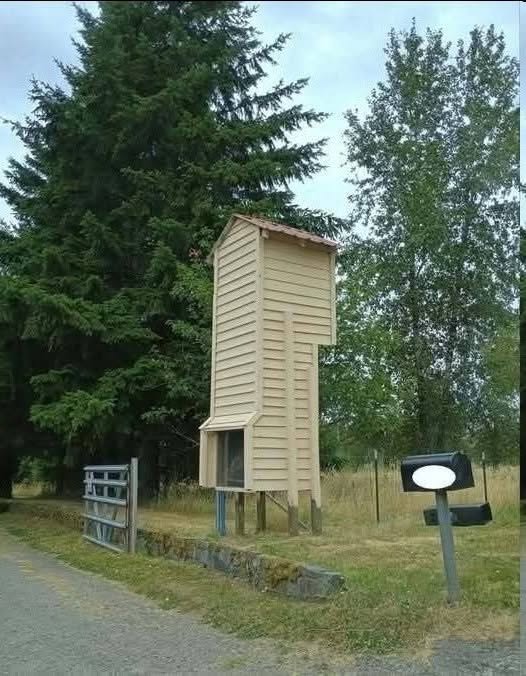
Driving through rural countryside roads, travelers occasionally spot tall, narrow, tower-like wooden structures positioned near driveways, pastures, or property borders. These distinctive elevated wooden boxes—often featuring horizontal siding, slatted under-entries, and standing 12 to 20 feet above the ground—frequently spark curiosity and speculation.
While some mistake them for unusual mailboxes, smokehouses, or birdhouses, these specialized structures are custom-built bat towers or community bat houses.
Designed to provide safe, warm, and predator-free roosting conditions for local insect-eating bat populations, these elevated structures offer immense ecological benefits for organic pest control, crop protection, and disease reduction.
This comprehensive guide breaks down the functional science of bat towers, roosting design comparison tables, step-by-step construction guidelines, and practical advice on household budgeting and property protection.
The Ecological Science: Biological Pest Management & Guano Value
+———————————————————————–+
| BAT TOWER ECOLOGICAL PATHWAY |
+———————————————————————–+
| 1. ELEVATED ROOSTING –> Multi-chamber wood structure retains heat |
+———————————————————————–+
|
v
+———————————————————————–+
| 2. NOCTURNAL HUNTING –> Eats 1,000+ mosquitoes & crop pests per hour |
+———————————————————————–+
|
v
+———————————————————————–+
| 3. ORGANIC GUANO –> Supplies rich nitrogen & phosphorus fertilizer|
+———————————————————————–+
1. Organic Mosquito and Insect Control
A single insectivorous bat (such as the Little Brown Bat or Big Brown Bat) can consume between 600 to 1,000 flying insects per hour—including mosquitoes, moths, beetles, and agricultural pests. Maintaining a healthy bat roost nearby dramatically reduces pest populations around homes, gardens, and livestock areas without resorting to chemical insecticides.
2. Thermal Regulation and Nursery Roosts
Pregnant and nursing female bats seek elevated roosts that trap ambient solar heat. Custom bat towers feature narrow vertical chambers (typically 3/4 inch to 1 inch wide) lined with textured grooved wood, allowing bats to cling easily and stay warm at temperatures between 80°F and 100°F (27°C–38°C).
3. Natural Nitrogen-Rich Fertilizer
As bats roost during daylight hours, their droppings accumulate beneath the tower entry as guano. High in nitrogen, phosphorus, and potassium, guano serves as an exceptional organic soil conditioner and natural fertilizer for farm pastures and household vegetable gardens.
Rural Outbuilding Feature Comparison Table
+——————–+———————–+———————–+
| Structure Type | Primary Function | Distinct Visual Clues |
+——————–+———————–+———————–+
| Bat Tower / Box | Bat Roost & Pest Ctrl | Tall, Slotted Bottom |
| Purple Martin House| Colony Bird Nesting | Multi-Hole Compartment|
| Owl Nesting Box | Raptor Shelter | Large Single Front Hole|
| Weather Station | Climate Monitoring | Louvered White Cabinet|
+——————–+———————–+———————–+
Step-by-Step Instructions: How to Place and Maintain a Bat Tower
Follow these simple guidelines to attract and maintain a thriving bat colony on your property:
+———————————————————————–+
| BAT TOWER INSTALLATION GUIDE |
+———————————————————————–+
| Step 1: Mount tower 15–20 feet high on a wooden or steel pole. |
| Step 2: Choose a sunny spot receiving at least 6–8 hours of sunlight. |
| Step 3: Ensure clear landing space free of overhanging tree branches. |
| Step 4: Position within 1/4 mile of a natural water source (pond/river)|
| Step 5: Paint dark brown/black in cold regions, light tan in hot climates|
+———————————————————————–+
Maximize Solar Heat Exposure: Place the bat tower in a location where it receives at least 6 to 8 hours of direct daily sunlight. Solar warmth is essential for adult females and pups during nursery seasons.
Mount at Proper Height: Mount the bottom of the bat house at least 12 to 20 feet above ground level on a sturdy pole or building side. Higher placement provides sufficient drop-down clearance for bats taking flight while keeping them safe from climbing predators like cats or raccoons.
Ensure Clear Flight Paths: Keep the entry landing area completely clear of obstructions such as overhanging tree limbs, power lines, or tall fences.
Locate Near Water: Placing bat towers within 1/4 mile of a natural freshwater source (such as a stream, pond, or river) significantly increases the likelihood of attracting local colonies.
Color-Code by Climate: In cooler northern climates, paint the exterior wood dark brown or black to absorb heat. In warm southern climates, use light tan, grey, or unpainted cedar to prevent overheating.
Home Management, Household Budgeting, and Financial Health
Installing natural pest control structures directly supports smart property maintenance, agricultural savings, and family financial health.
Smart Home Budgeting & Chemical Elimination
Chemical exterminators and seasonal backyard bug sprays require recurring monthly fees that add up to hundreds of dollars each year. Installing a permanent, low-maintenance bat house offers decades of free, automated pest management. Managing your home improvement and property maintenance budget intentionally enables families to preserve capital to build emergency savings accounts, pay off high-interest credit card debt, or allocate funds toward long-term financial investments.
Non-Toxic Living, Vector Control, and Health Insurance Security
By reducing mosquito populations naturally, bat roosts minimize exposure to insect-borne pathogens (such as West Nile Virus or encephalitis) while eliminating pesticide chemicals around children and pets. Combining a chemical-free living environment with routine preventive health checkups covered by your health insurance provider safeguards both your family’s physical well-being and personal financial peace of mind.
Frequently Asked Questions (FAQ)
Will building a bat tower increase the risk of bats entering my home?
No. Bats prefer warm, elevated roosts with direct external flight access. Providing a dedicated outdoor bat tower actually deters bats from seeking shelter in attics, chimneys, or eaves.
How long does it take for bats to move into a new bat tower?
It often takes anywhere from a few months up to two full seasons for local bat scouts to locate and colonize a new roosting structure. Once established, colonies often return year after year.
Conclusion
Those mysterious tall towers along rural roads play a vital role in local wildlife conservation and natural pest management. Building or installing a bat tower is an eco-friendly, cost-effective way to protect your property from pests while supporting healthy ecosystems!
