
Introduction: The Rapid Evolution of Smart Textiles
We live in an era where technology is no longer confined to screens and microchips; it is woven directly into the fabric of our daily lives. From high-performance athletic gear to advanced medical monitoring garments, the intersection of textiles and technology is revolutionizing how we interact with the world. Imagine wearing a material that not only adapts to environmental conditions like solar radiation and temperature but also generates micro-currents or interfaces seamlessly with electronic systems. This is no longer science fiction—it is the cutting edge of smart material engineering.
As populations age and the demand for personalized health solutions grows, innovations in wearable technology are becoming increasingly vital. These advancements hold profound implications not only for personal health and rehabilitation but also for various commercial sectors, including technology, investment, education, and insurance. This article explores the mechanics of next-generation responsive fabrics, their practical applications in daily life, and how technological progress intersects with long-term financial and strategic planning.
The Science Behind Responsive Smart Fabrics
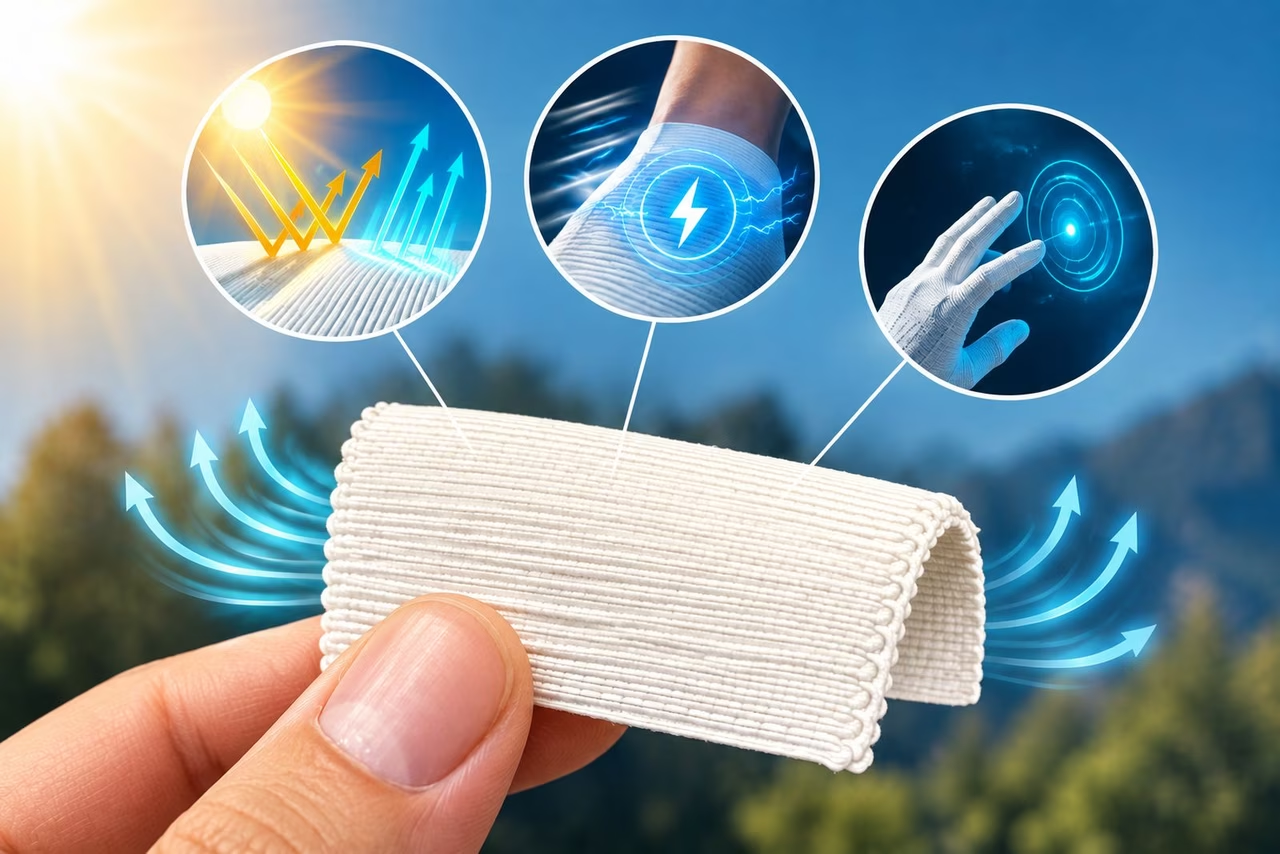
To understand the impact of advanced materials like the one depicted, we must look at the convergence of materials science, electronics, and thermodynamics. Traditional fabrics serve a passive role: they cover, insulate, or decorate the body. In contrast, smart textiles are engineered to dynamically sense and react to external stimuli.
1. Thermal and Solar Regulation
Advanced textiles often incorporate specialized microstructures or coatings designed to manage thermal energy. By reflecting harmful ultraviolet rays while allowing optimal breathability, these materials help regulate body temperature under intense sunlight. This capability is especially crucial for outdoor workers, athletes, and older adults who may be more sensitive to extreme temperatures.
2. Piezoelectric and Kinetic Energy Harvesting
One of the most exciting developments in wearable tech is the integration of piezoelectric or triboelectric elements. These materials can convert mechanical movement—such as joint flexing, walking, or muscle contraction—into usable electrical energy. This micro-power generation can potentially drive small sensors or therapeutic devices without the need for bulky external batteries.
3. Touch and Digital Interfacing
Conductive threads and nano-sensors embedded within the fabric allow the textile itself to act as an interface. A garment can recognize touch gestures, monitor physiological signals, or transmit data to external devices in real time. This seamless integration brings computing power directly to the skin’s surface without sacrificing comfort.
Practical Applications in Modern Life
The versatility of responsive smart materials opens up a wide array of practical applications across multiple industries:
-
Rehabilitation and Joint Support: Fabrics capable of generating micro-currents or providing targeted compression can assist in physical therapy, helping to manage muscle fatigue and joint stiffness.
-
Smart Workwear: Outdoor apparel embedded with solar-reflective properties and thermal regulation protects workers from harsh environmental elements.
-
Remote Health Monitoring: Integrated sensors within everyday garments allow for continuous tracking of vital signs, offering peace of mind for individuals and caregivers alike.
Aligning Innovation with Business, Finance, and Security
While technological breakthroughs capture our imagination, successfully integrating them into society requires careful planning across various professional sectors. For entrepreneurs and enterprises, investing in research and development requires sound investment strategies and a strong grasp of market trends in technology. Furthermore, as wearable health devices collect sensitive biometric data, navigating the complexities of legal services, data privacy regulations, and insurance compliance becomes paramount. Whether you are an attorney drafting patent protections, a business owner scaling production, or an individual planning for future healthcare needs, staying informed about technological shifts ensures long-term resilience and security.
Interesting Facts About Smart Textiles
-
Micro-Scale Engineering: Many smart fabrics utilize carbon nanotubes or silver-coated fibers woven at a microscopic level to achieve electrical conductivity while maintaining machine-washable flexibility.
-
Biomimicry Inspiration: Engineers often look to nature—such as the way pinecones open and close with humidity or how skin regulates heat—to design responsive textile structures.
-
Self-Powered Systems: Recent prototypes can harvest enough energy from simple human motion to power small LED indicators or Bluetooth transmitters entirely independently.
-
Rapid Market Growth: The global smart textiles market continues to expand rapidly, driven by increasing demands in healthcare, sports science, and defense sectors.
Conclusion: Embracing the Textile Revolution
The evolution of fabrics from simple threads into intelligent, responsive systems marks a monumental leap in human ingenuity. By combining solar protection, kinetic energy harvesting, and digital touch capabilities into flexible materials, we open the door to a more connected and protected future. As these technologies mature, balancing innovation with smart business, investment, and regulatory foresight will ensure that these tools benefit society safely and effectively. The future of technology isn’t just something we hold or view—it is something we wear.
Frequently Asked Questions (FAQ)
Q: Are smart textiles safe to wash like regular clothing? A: Many modern smart fabrics are engineered to be durable and machine-washable, provided that detachable electronic modules or batteries are removed beforehand.
Q: How do these fabrics generate electricity? A: They often utilize piezoelectric or triboelectric properties, converting physical pressure, friction, or movement from the body into small electrical charges.
Q: Can smart textiles help with medical conditions? A: While they are increasingly used for biometric monitoring and physical therapy support, they are generally designed to complement—not replace—professional medical treatment.
Q: What industries benefit the most from responsive materials? A: Healthcare, athletics, aerospace, defense, and occupational safety industries are currently leading the adoption of advanced smart textiles.
Q: Will smart fabrics feel stiff or uncomfortable? A: No. Advanced manufacturing techniques allow conductive threads and sensors to be woven seamlessly into soft, flexible fabrics, ensuring high comfort during daily wear.
