
Introduction: The Microscopic Revolution in Medicine
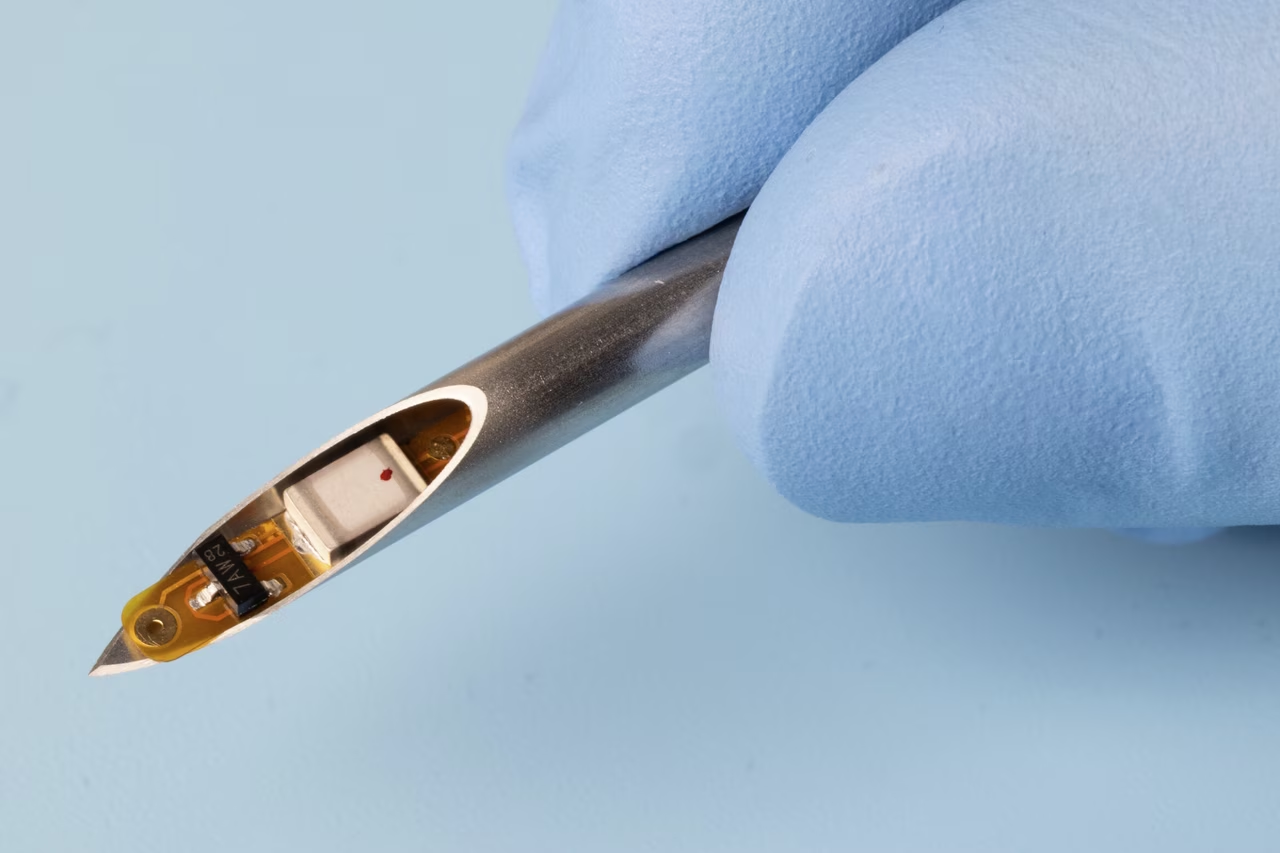
In the world of modern medicine, breakthroughs are no longer limited to large diagnostic machines or sprawling hospital laboratories. Instead, innovation is shrinking down to the microscopic scale, finding its way into the very tools clinicians use every day. Imagine a standard surgical or injection needle modified to house micro-electronics, optical sensors, or tiny diagnostic chips directly within its hollow bevel. This convergence of engineering and medicine allows healthcare professionals to analyze tissue, monitor real-time biological data, or perform precision procedures at the exact point of contact.
As medical science advances, these smart diagnostic tools hold profound implications not only for patient care and early disease detection but also for various commercial sectors, including technology, investment, health, and insurance. This article explores the engineering mechanics behind micro-sensor needles, their practical applications in clinical settings, and how technological progress intersects with long-term financial, regulatory, and healthcare planning.
The Science Behind Smart Medical Needles
To understand the impact of advanced medical instruments like the device depicted, we must examine the intersection of micro-fabrication, precision mechanics, and biomedical engineering. Traditional medical needles serve a purely mechanical purpose: to puncture tissue, deliver medication, or extract fluid samples. In contrast, smart needles are engineered to dynamically sense and interact with internal biological environments.
1. Embedded Micro-Sensors and Optical Chips
Advanced needles can integrate miniature optical components or electronic sensors directly into the hollow shaft. These tiny sensors can analyze light reflection, electrical impedance, or chemical changes as the needle moves through different tissue layers. This capability helps clinicians differentiate between healthy tissue and diseased structures with unprecedented precision.
2. Real-Time Data Transmission
By coupling micro-sensors with flexible micro-circuitry, these needles can transmit real-time physiological data to external monitors. This immediate feedback loop minimizes the need for exploratory punctures and enhances the accuracy of targeted treatments or biopsies.
3. Minimally Invasive Precision
Integrating technology into a standard gauge needle ensures that patients do not face larger incisions or more invasive procedures. The diagnostic power is packed entirely within the footprint of a traditional medical tool, optimizing both safety and comfort.
Practical Applications in Modern Healthcare
The versatility of smart medical needles opens up a wide array of practical applications across multiple medical disciplines:
-
Precision Biopsies: Helping clinicians locate and sample exact lesion sites on the first attempt, reducing the need for repeat procedures.
-
Targeted Anesthesia: Assisting anesthesiologists in identifying specific nerve planes or tissue boundaries with greater accuracy during regional nerve blocks.
-
Intraoperative Diagnostics: Providing real-time tissue characterization during surgical interventions to ensure complete tumor margin clearance.
Aligning Innovation with Business, Finance, and Security
While technological breakthroughs capture our imagination, successfully integrating them into the healthcare system requires careful planning across various professional sectors. For medical device manufacturers and healthcare providers, investing in research and development requires sound investment strategies and a strong grasp of market trends in technology and health. Furthermore, as medical devices handle sensitive patient data and undergo rigorous clinical trials, navigating the complexities of legal services, regulatory compliance, and insurance coverage becomes paramount. Whether you are an attorney drafting patent protections, a business owner scaling medical production, or an individual planning for future healthcare needs, staying informed about technological shifts ensures long-term safety and resilience.
Interesting Facts About Advanced Medical Needles
-
Micro-Scale Engineering: Engineers utilize specialized micro-machining and flexible sub-assemblies to mount electronic chips and optical sensors inside needles narrower than a millimeter.
-
Biomimicry Inspiration: Many needle designs look to nature, such as the specialized stingers of insects, to optimize penetration efficiency and reduce tissue trauma.
-
Real-Time Feedback: Advanced sensor needles can process tissue resistance and optical data in milliseconds, giving clinicians instant visual or auditory cues during procedures.
-
Rapid Sector Growth: The global market for smart surgical instruments and advanced delivery systems continues to expand rapidly, driven by the demand for minimally invasive procedures.
Conclusion: Embracing the Future of Surgical Technology
The evolution of medical needles from simple steel tubes into intelligent, sensor-equipped diagnostic systems marks a monumental leap in human ingenuity. By combining real-time data collection, optical sensing, and micro-engineering into familiar clinical tools, we open the door to safer, more accurate medical care. As these technologies mature, balancing innovation with smart business, investment, and regulatory foresight will ensure that these tools benefit patients worldwide. The future of medicine isn’t just about what we discover in the lab—it is about how smartly we apply it at the point of care.
Frequently Asked Questions (FAQ)
Q: Are smart sensor needles safe for standard clinical use? A: Yes. They undergo rigorous biocompatibility testing, sterilization protocols, and clinical trials to ensure they meet the same strict safety standards as traditional medical devices.
Q: How do these needles transmit information to doctors? A: They utilize micro-wiring or wireless micro-transmitters embedded within the assembly to send real-time sensor readings to external monitors or clinical software.
Q: Do smart needles change the physical sensation for the patient? A: Generally, no. Because the micro-sensors and circuitry are integrated into standard-sized needles, the physical profile remains comparable to conventional medical needles.
Q: What medical specialties benefit the most from smart needle technology? A: Oncology, anesthesiology, radiology, and general surgery are among the primary fields adopting advanced needle-based diagnostic and guidance tools.
Q: Will smart needles replace traditional biopsy methods entirely? A: Rather than replacing standard practices, they are designed to complement and enhance existing procedures by providing higher accuracy and reducing the margin of error.
