
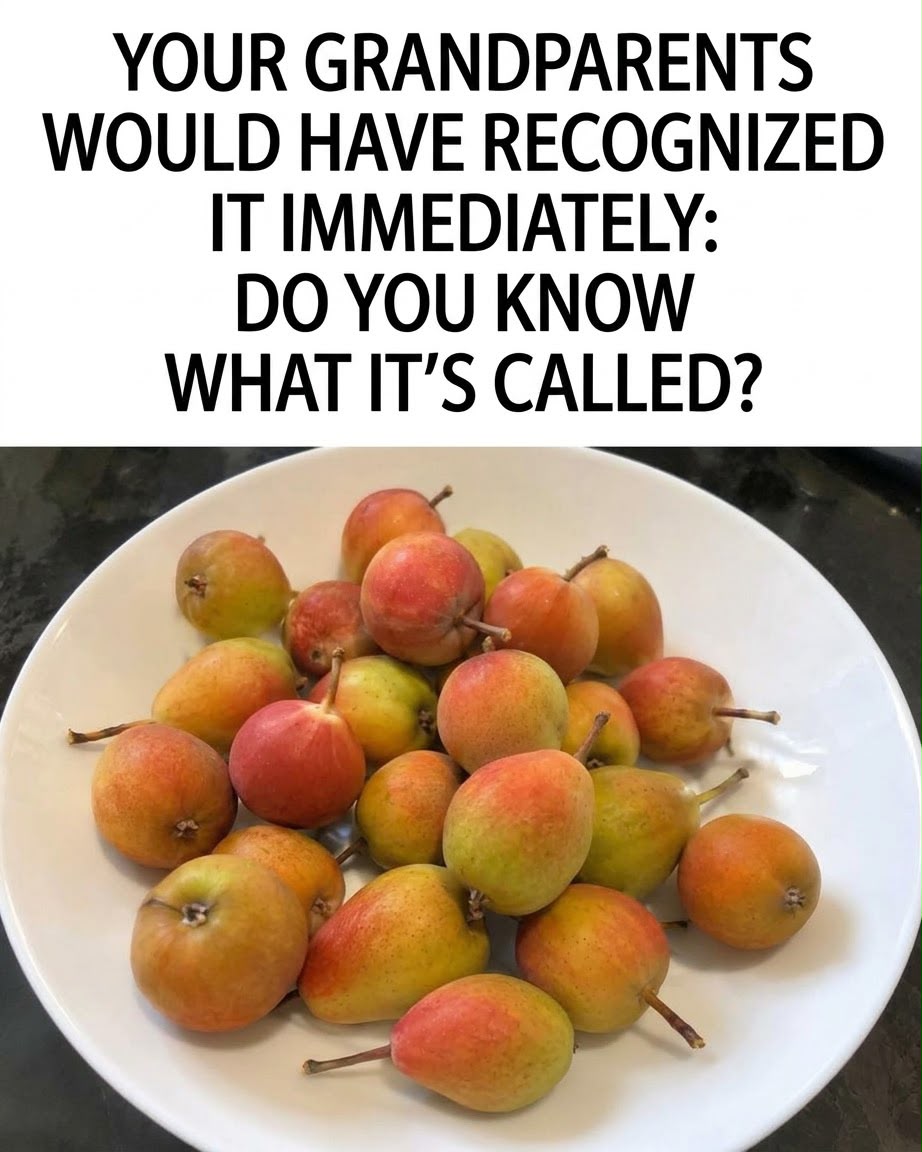
There was a time when modern superstores and commercial supply chains did not dictate what fruit appeared on our kitchen tables. Decades ago, long before standardized agriculture reduced grocery store produce to just a handful of uniform, hyper-cosmetic varieties, backyards and homestead orchards across America were filled with diverse, highly aromatic heritage fruits. If you grew up visiting your grandparents’ home or exploring rural countryside roads, you might remember picking small, firm, blush-colored wild pears or crabapples straight from the branch.
The image above captures a bowl filled with these tiny, teardrop-shaped treasures—often identified as wild Seckel pears, sugar pears, or wild crabapple hybrids. Featuring distinctive red blushes over yellow-green skin and intact woody stems, these heirloom fruits represent a bygone era of self-sufficiency, seasonal harvesting, and traditional home preservation. Today, as interest in foraging, home gardening, homesteading, and sustainable living continues to soar, these ancient fruits are making a major comeback.
In this deep-dive article, we will explore the history of these forgotten fruits, examine their remarkable culinary versatility, break down their nutritional benefits, and look at the economic and lifestyle value of reintroducing heirloom fruit trees into modern homesteading.
What Exactly Are These Small Heritage Fruits?
To many younger generations, a pear is simply a large Bartlett, Anjou, or Bosc purchased from a supermarket display. However, older generations instantly recognize smaller varieties that were once staple backyard crops.
The Seckel Pear (Sugar Pear)
One of the most famous small pears depicted in heirloom collections is the Seckel pear, often affectionately referred to as the “sugar pear.” Originating in Pennsylvania in the late 18th century, the Seckel pear is widely believed to be the only truly native American pear variety cultivated commercially. Characterized by its tiny size, yellowish-green skin with a reddish-brown blush, and ultra-sweet, spicy flavor, it was a beloved favorite for children’s lunchboxes and home canning jars.
Wild Pears and Pear-Crab Hybrids
In addition to cultivated sugar pears, feral or wild pear trees (Pyrus communis) grow abundantly across temperate regions. These trees often produce compact, firm fruit with thick skins and a tart, astringent flavor profile when raw, but an incredible depth of flavor when cooked or preserved. Similarly, wild crabapples (Malus) share a strikingly similar appearance, growing in clusters and boasting rich levels of natural pectin.
Why Did Our Grandparents Treasure These Fruits?
For our grandparents and great-grandparents, fruit trees were not just decorative landscaping; they were essential economic assets that supported family food security and seasonal nutrition.
1. High Natural Pectin for Canning and Preserves
Before synthetic gelling agents were available in every grocery aisle, home cooks relied on natural fruit pectin to set jams, jellies, and preserves. Wild pears, sugar pears, and crabapples naturally contain dense concentrations of pectin and acid. A single small basket of these fruits could transform fruit juices into firm, delicious preserves that would last through harsh winter months.
2. Natural Shelf Life and Winter Storage
Unlike modern soft fruits that spoil within days, many heirloom pear varieties are “winter pears.” When harvested slightly firm in late autumn, they could be packed in cool sawdust or straw and stored in root cellars for months without rotting, providing vital vitamins during freezing seasons.
3. Exceptional Flavor Intensity
Commercial fruit breeding over the last half-century has largely prioritized shelf life, transport durability, and uniform physical appearance over complex flavor. Heirloom varieties like sugar pears concentrate their natural sugars into a small physical footprint, delivering a rich, spicy, honey-like taste profile that modern mass-market pears rarely match.
Nutritional Profile and Health Benefits of Heirloom Pears
In addition to their culinary nostalgia, small heritage pears pack an extraordinary nutritional payload. Incorporating these nutrient-dense fruits into a balanced diet offers numerous physical and wellness benefits.
Nutrient Component Health Benefit Practical Impact
Dietary Fiber (Pectin) Supports digestive motility & gut microbiome Helps maintain healthy blood sugar and cholesterol levels
Vitamin C (L-Ascorbic Acid) Boosts immune function & collagen synthesis Enhances natural cellular defense and skin health
Polyphenols & Flavonoids Powerful antioxidant properties Neutralizes free radicals and reduces oxidative stress
Potassium Essential electrolyte for cardiovascular function Supports healthy blood pressure regulation
Low Glycemic Index Slow carbohydrate breakdown Provides sustained energy without blood sugar spikes
Understanding the dietary value of natural, unprocessed produce is a cornerstone of proactive personal health management. Eating nutrient-dense whole foods reduces long-term risks for metabolic conditions, which in turn can help individuals manage life planning and secure lower health insurance and life insurance premiums over time.
Culinary Applications: How to Prepare Heirloom Pears Today
If you are fortunate enough to forage a batch of sugar pears or wild pears, eating them raw is only the beginning. Their firm texture makes them exceptionally well-suited for high-heat cooking, baking, and traditional preservation methods.
Whole Spiced Pickled Pears
A classic vintage recipe that graced holiday tables for generations involved pickling small pears whole with their stems intact.
The Process: Small, firm pears are peeled, leaving the stem attached. They are then gently simmered in a hot syrup composed of apple cider vinegar, cane sugar, cinnamon sticks, whole cloves, and star anise.
Serving Suggestion: Serve pickled pears alongside roasted meats, sharp cheddar cheese, or as part of an artisan charcuterie board.
Slow-Cooked Spiced Pear Butter
Similar to traditional apple butter, pear butter extracts the natural sugars and caramelizes them into a rich, spreadable paste.
The Process: Quarter the unpeeled fruits (removing core seeds) and slow-cook them with lemon juice, nutmeg, cinnamon, and a hint of vanilla until completely soft. Pass the mixture through a food mill and reduce on low heat until dark, thick, and glossy.
Poached Pears in Red Wine or Honey Syrup
Because small heirloom pears hold their structural integrity during cooking, they are the ideal candidate for elegant desserts.
The Process: Gently poach whole peeled pears in a mixture of red wine (or pomegranate juice), honey, orange zest, and vanilla beans for 20 to 25 minutes until tender. Serve warm with vanilla bean ice cream or fresh whipped cream.
Homesteading, Land Value, and the Economics of Heirloom Orchards
Beyond culinary pleasure, planting and preserving heirloom fruit trees has become a growing trend among property owners, rural homesteaders, and real estate enthusiasts interested in land stewardship and sustainable agriculture.
Increasing Property Value Through Edible Landscaping
Integrating mature heirloom fruit trees into residential or agricultural acreage enhances curb appeal and overall real estate desirability. Properties featuring established, fruit-bearing landscaping often attract eco-conscious buyers seeking self-reliant lifestyle features. Protecting these natural assets with proper property insurance ensures that landscape investments remain safeguarded against storms or environmental hazards.
Building Small Business and Agritourism Revenue
For rural entrepreneurs, heirloom fruit orchards present viable commercial opportunities. From selling specialty heritage jams at farm stands to hosting pick-your-own agritourism events, small-scale specialty fruit cultivation can yield profitable side-income streams or form the foundation of a local farm business.
Long-Term Legacy and Financial Planning
Planting slow-growing fruit trees is an act of intergenerational wealth building and environmental stewardship. Just as taking out a smart mortgage or managing a strategic investment portfolio builds financial equity for your family’s retirement, planting heritage fruit trees creates a tangible, living inheritance that will continue to yield fresh harvests for decades to come.
Interesting Historical Facts About Pears and Crabapples
Thomas Jefferson’s Obsession: Thomas Jefferson was an avid fruit enthusiast who personally cultivated several varieties of heirloom pears and apples at his Monticello estate, meticulously logging their growth in his garden journals.
The “Butter Fruit” Moniker: In 17th-century France, pears were so highly prized for their melt-in-your-mouth texture when perfectly ripe that upper-class gourmets referred to them as beurré (butter) fruit.
Durable Wood: Pear tree wood is extraordinarily fine-grained, heavy, and warp-resistant. Historically, it was used by craftspeople to manufacture high-end musical instruments, drafting rulers, and woodblock printing cuts.
Wild Fruit Longevity: A wild pear tree can easily live and produce fruit for over 150 to 200 years, outliving multiple generations of the human families who planted them.
Conclusion: Rediscovering the Simple Pleasures of Yesterday
The humble bowl of small, blushed sugar pears is far more than just a piece of fruit—it is a bridge to our shared cultural heritage. It reminds us of a time when food was seasonal, local, and deeply appreciated. In our fast-paced modern world driven by instant gratification and technological convenience, pausing to recognize and prepare the forgotten foods of our grandparents offers a grounding connection to nature and history.
Whether you stumble upon a wild tree during a weekend hike, purchase a basket from a local farmers’ market, or decide to plant a heritage sapling in your own backyard, embracing these heirloom treasures enriches our palate, our health, and our appreciation for the natural world.
Frequently Asked Questions
What is the exact name of the small pears shown in the image?
These are typically known as sugar pears, Seckel pears, or wild pear/crabapple hybrids. They are characterized by their small, rounded shape, reddish blush over greenish-yellow skin, and sweet, firm flesh.
Can you eat wild pears raw?
Yes, wild pears and sugar pears are safe to eat raw. However, because some wild varieties can be firm or astringent when freshly picked, they are often allowed to ripen off the tree or are cooked into jams, jellies, and baked goods to enhance their natural sweetness.
How do you know when sugar pears are ripe?
Unlike apples, pears ripen from the inside out. To test for ripeness, apply gentle pressure with your thumb to the neck near the stem. If it yields slightly to pressure, the pear is ripe and ready to eat.
Are small heirloom pears difficult to grow at home?
Heirloom pear trees like the Seckel are generally hardy and relatively easy to grow in temperate climate zones. They require full sunlight, well-drained soil, and routine seasonal pruning. Many heirloom varieties also show strong natural resistance to common orchard diseases like fire blight.
Where can I find heirloom fruit trees to plant today?
Specialty plant nurseries, agricultural extension programs, and non-profit heirloom seed-saver organizations frequently sell bare-root heritage fruit trees during the late winter and early spring planting seasons.
